
Snake homogeneity
Have you ever wondered how cold-blooded predators maintain a consistent identity while thriving in wildly different environments? This article examines why consistency matters for these reptiles as they navigate diverse habitats. We will explore how uniformity defines their survival across various landscapes. Modern scientific research suggests that deep connections exist between populations, even when separated…
Have you ever wondered how cold-blooded predators maintain a consistent identity while thriving in wildly different environments? This article examines why consistency matters for these reptiles as they navigate diverse habitats. We will explore how uniformity defines their survival across various landscapes.
Modern scientific research suggests that deep connections exist between populations, even when separated by vast distances. By looking at the path of evolution, we can see how stability helps these animals thrive. Scientists study these patterns to learn how species stay the same over time.
Understanding why snakes remain so similar provides vital clues for conservation and modern medicine. Experts now look at how snakes balance their genetic history with the pressures of the surrounding world. This study offers a clear framework for identifying patterns of physical and genetic uniformity in nature.
Key Takeaways
- Genetic uniformity explains how species maintain similar DNA across different regions.
- Studies focus on both physical traits and internal biological markers.
- Maintaining a consistent identity helps populations adapt to environmental shifts.
- Scientific analysis uses molecular biology to track population similarities.
- Research into uniformity supports better conservation strategies for wildlife.
- Understanding these patterns is essential for verifying medicinal components.
Understanding the Concept of Snake Homogeneity
When we talk about snake homogeneity, we are referring to the fascinating level of uniformity across different biological levels. This concept serves as a foundational introduction to how scientists evaluate consistency within reptile groups. It helps us understand why certain populations look and act the same way over vast distances.
At its core, homogeneity measures the degree of similarity in genetics, physical form, and behavior. By examining a specific snake, researchers can determine if its traits match those of its peers. This goes beyond simple observation and looks at the deep internal blueprints of the animal.
Understanding this concept requires looking at both the genetic code and the outward physical traits. Often, populations appear uniform even if they possess underlying genetic differences. This reality challenges the traditional idea that every species must look different to adapt to a local area.
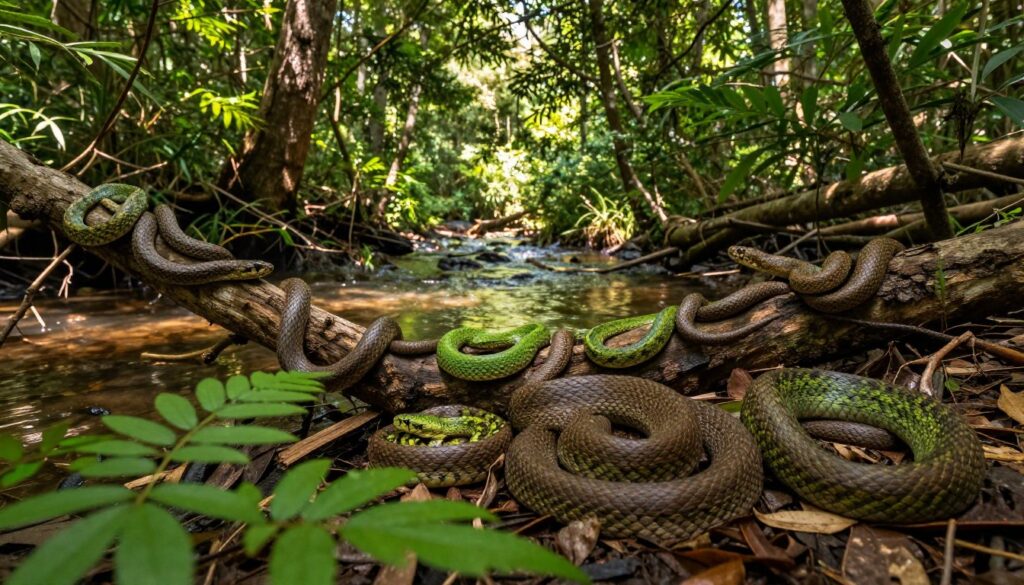
Scientific phenotypic plasticity is a major part of this discussion. It occurs when diverse genetic backgrounds produce very similar outward features. In such cases, snakes might look like twins but carry very different biological histories.
“True biological understanding requires us to distinguish between the outward mask of an organism and its internal genetic reality.”
A detailed study of these patterns reveals multiple dimensions of uniformity. Researchers investigate DNA sequence similarity to see how closely related individuals truly are. They also track morphological consistency, such as scale counts and color patterns, across geographic ranges.
Several factors can lead to high levels of homogeneity in nature. Recent population bottlenecks or limited gene flow can trap a group into a narrow set of traits. Conversely, high rates of gene exchange among subpopulations can keep snakes looking identical across different habitats.
This section provides the necessary content to grasp the complex dynamics of natural ecosystems. By identifying the causes of uniformity, we gain a clearer picture of how life survives and thrives. These insights are essential for interpreting the advanced research findings presented later in this article.
| Factor Type | Primary Driver | Impact on Population |
|---|---|---|
| Genetic | Population Bottleneck | Reduces overall diversity significantly |
| Environmental | Stabilizing Selection | Favors average traits over extremes |
| Ecological | High Gene Flow | Maintains uniformity across regions |
| Behavioral | Shared Philopatry | Reinforces local trait consistency |
Snake Homogeneity: Defining Genetic and Phenotypic Uniformity
When we discuss biological uniformity, we must separate the internal genetic data from the external characteristics we see in the field. Genetic homogeneity involves similarity in DNA codes among individual snakes. This state often comes from common ancestry or limited travel between habitats.
Groups feel this genetic leveling after a population crash reduces their diversity. In these cases, the gene patterns become nearly the same across the entire group. Such a lack of variety can stop a group from adapting to new environmental threats.
Phenotypic uniformity means that a group of animals looks essentially the same. This includes scale patterns, colors, and specific body shapes that do not change much between individuals. However, a variation in how they look does not always mean their genes are different.
| Feature | Genetic Homogeneity | Phenotypic Uniformity |
|---|---|---|
| Primary Focus | DNA and Allele Frequencies | Physical Traits and Appearance |
| Main Drivers | Ancestry and Bottlenecks | Environment and Development |
| Study Method | Molecular Markers | Morphometric Analysis |
Sometimes, a snake group looks alike while hiding deep genetic changes beneath the surface. In other cases, snakes share the same DNA but look different due to the weather or local food sources. Experts use special molecular markers to find these hidden biological facts.
Knowing these differences helps save a species from the threat of dying out. Uniform groups often face a high risk of extinction because they lack a diverse “genetic toolkit.” They may not have the traits needed to survive fast changes in their home environment.
Scientists use simple measurements to study body shapes and sizes across different regions. These tools show if a group can change its look to fit the world through developmental plasticity. This wisdom helps us protect nature and ensures we apply the right strategies for wildlife growth.
“The distinction between what an organism is genetically and how it appears physically is a cornerstone of modern evolutionary biology.”
- Genetic homogeneity limits the ability of a group to evolve during crises.
- Phenotypic uniformity can mask significant underlying genetic diversity.
- Conservation efforts must prioritize genetic health to ensure long-term survival.
- Molecular assessment provides the most accurate view of a population’s future.
Historical Development of Snake Uniformity Research
Scientific exploration into snake uniformity has transitioned from simple physical descriptions to complex genetic mapping. This research helps us understand how these creatures maintained consistent traits over millions of years. Scientists believe that snakes first appeared during the Jurassic period.
These animals likely evolved from burrowing or aquatic lizards between 143 and 167 million years ago. These early ancestors set the stage for the physical archetypes we see today. Understanding this deep-time context is essential for recognizing modern patterns of uniformity.
Early studies focused mainly on morphological features and taxonomic classification. Naturalists classified different species based on observable physical characteristics. They noticed that many populations looked nearly identical even when separated by large distances.
This observation sparked a deep curiosity about how such consistency remains stable over long periods. It laid the groundwork for future investigations into genetic consistency and phenotypic patterns. Scientists began to record how populations changed or stayed the same across various landscapes.
The Paleocene epoch was a critical time for these reptiles. Following the extinction of non-avian dinosaurs about 66 million years ago, a massive radiation of species occurred. This period established the primary families we recognize in the modern world.
During this evolution, many groups developed the standardized physical forms that define modern lineages. The environment played a major role in shaping these uniform characteristics across different habitats. Scientists often refer to this as a foundational era for contemporary biodiversity.
In the late 20th century, the molecular revolution changed everything for biologists. Researchers began using DNA sequencing to look beneath the surface of physical traits. They found that looking the same does not always mean having the same genes.
This article highlights how environmental pressures often drive physical similarity regardless of genetic background. We now know that “cryptic” diversity can hide behind a very uniform exterior. Modern experts now combine fossil data with molecular markers to gain a complete perspective.
Modern research builds on a historical foundation by integrating molecular data and ecological observations.
Today, the focus has shifted toward understanding the relationship between genetics and the environment. By using advanced computational tools, scientists can track how species adapt without losing their core identity. This holistic view provides comprehensive explanations for why some populations remain so similar over eons.
| Period | Research Focus | Primary Method |
|---|---|---|
| Jurassic | Ancestral Origins | Fossil Record Analysis |
| Paleocene | Species Radiation | Comparative Anatomy |
| Late 20th Century | Genetic Similarity | DNA Sequencing |
| Modern Era | Snakes Uniformity | Integrated Molecular Data |
Genetic Homogeneity in Snake Species Populations
Examining the genetic makeup of snake populations reveals a level of uniformity that external traits often mask. Scientists now look past scales and colors to find the true biological blueprint of a snake species.
This molecular perspective provides essential clarity for both wildlife conservation and the pharmaceutical industry. By focusing on genetic consistency, researchers can better understand how these animals adapt to their environments.
Molecular Data and DNA Sequence Analysis
Modern molecular techniques allow experts to extract DNA from tissue samples with high precision. They compare these sequences across different populations to measure exactly how similar individuals are to one another.
The resulting data helps uncover patterns of connectivity that are invisible to the naked eye. Some snakes show incredible genetic similarity even when they live thousands of miles apart from each other.
In contrast, other groups might stay close together but develop unique genetic signatures. Researchers frequently use Google Scholar to access peer-reviewed studies that track these evolutionary trends over time.
By reviewing findings on Google Scholar, scientists build a global map of how genetic diversity persists. This process helps us understand gene flow and the historical movements of various snakes across the landscape.
Species-Specific Genetic Markers
Identifying specific markers is essential for protecting the integrity of snakes used in traditional medicine. Deinagkistrodon acutus, Zaocys dhumnades, and Bungarus multicinctus are prime examples of species that require precise authentication.
Using species-specific PCR methods, laboratories can detect even tiny amounts of DNA to prevent product adulteration. These tools offer high sample throughput and excellent reproducibility for industrial quality control.
| Medicinal Snake | Primary Use | Authentication Goal |
|---|---|---|
| Deinagkistrodon acutus | Traditional Medicine | Detect Adulteration |
| Zaocys dhumnades | Dietary Supplements | Verify Purity |
| Bungarus multicinctus | Natural Products | Confirm Origin |
These markers distinguish authentic medicinal samples from look-alike species that lack the same properties. Genetic verification ensures that consumers receive safe and effective products in a competitive market.
Ultimately, these molecular tools serve as a strong foundation for verifying the quality of natural drugs. They bridge the gap between ancient wisdom and modern scientific standards.
Phenotypic Characteristics and Morphological Traits
Phenotypic characteristics represent the visible expression of a snake’s genetic code and environmental history. By studying these external markers, researchers gain insights into the health and consistency of a species. This physical data helps us understand how reptiles thrive in diverse ecosystems.
Experts often focus on external features to track how a species changes over time. These observations allow scientists to identify patterns of uniformity within a specific group. Careful measurement of physical form remains a cornerstone of modern biological research.
Body Size Variations and Growth Patterns
The body size of a reptile often tells a story about its survival strategy and habitat. These animals show a massive variation in their length and weight across the globe. For instance, the tiny Barbados threadsnake reaches a mere 10.4 centimeters at its full length.
On the other end of the spectrum, the reticulated python can grow to a staggering 6.95 meters. Despite these famous extremes, most snakes are actually quite small. They typically average approximately one meter in length across most common species.
The size an individual reaches often depends on habitat quality and prey availability. Fast growth patterns usually indicate a healthy environment with abundant resources. Conversely, slow growth might suggest that the population faces environmental stress or limited food supplies.
Anatomical Features Across Populations
Beyond simple length, scientists examine the body structure to find signs of phenotypic uniformity. Different populations may show consistent scale counts or jaw shapes that aid in hunting local prey. These physical traits allow snakes to adapt to the specific demands of their local landscape.
“Standardized phenotypic measurements provide essential baseline data for conservation and ecological studies.”
Experts also look at internal organ arrangements and head morphology to ensure data consistency. This detailed body analysis reveals whether a group is genetically similar or showing signs of adaptive plasticity. Researchers use strict protocols to collect accurate data across different geographic regions. Examining the body helps identify if variations stem from local selection pressures or genetic drift.
| Morphological Trait | Measurement Method | Biological Significance |
|---|---|---|
| Snout-Vent Length | Standardized Calipers | Indicates age and health |
| Scale Count | Dorsal Row Counting | Identifies species uniformity |
| Head Shape | Geometric Morphometrics | Reflects dietary adaptations |
| Organ Alignment | Internal Imaging | Shows evolutionary consistency |
Research Methodologies for Studying Snake Homogeneity
Researchers utilize a diverse array of specialized strategies to uncover the hidden patterns of homogeneity within various snake lineages. These methods combine traditional morphological checks with advanced molecular tools to ensure high accuracy. By standardizing these protocols, scientists can effectively search for consistency across different regional populations.
Advanced PCR-Based Authentication and Detection
Modern science has revolutionized how we evaluate the genetic uniformity of snakes through rapid PCR techniques. This study of homogeneity relies on the ability to identify specific genetic markers with extreme precision. A breakthrough one-step method now combines rapid PCR with water-soluble cationic conjugated polyelectrolytes (CCPs).
This approach allows for the molecular authentication of important medicinal materials. Researchers specifically focused on three distinct species: Deinagkistrodon acutus, Zaocys dhumnades, and Bungarus multicinctus. These methods offer high sensitivity, which is vital for quality control in the pharmaceutical industry.
The technique ensures that even small genetic variations are caught during the screening process. This high level of resolution helps maintain the integrity of natural products. It also provides a clear pathway for researchers to verify the origin of biological samples.
Fluorescence Detection and Conjugated Polymers
Fluorescence detection systems provide a visual way to authenticate DNA without needing bulky or expensive lab equipment. These systems use conjugated polymers that change color, making results visible to the naked eye. Such innovations eliminate the need for complex technical expertise in the field.
The CCP-based assay successfully distinguished 35 authentic specimens from 48 similar-looking adulterants. This level of accuracy is essential when analyzing data from complex biological mixtures. This article highlights how these tools simplify the verification of traditional medicine.
The sensitivity of this method is truly impressive for modern lab standards. Such innovations make it easier to study snakes in their natural habitats. Researchers can now get results in a fraction of the time compared to older techniques.
| Snake Material | Detection Limit (pg) | Sample Reliability |
|---|---|---|
| D. acutus | 0.27 | High Accuracy |
| Z. dhumnades | 0.21 | High Accuracy |
| B. multicinctus | 0.18 | High Accuracy |
- Label-free detection reduces the cost and complexity of genetic testing.
- Rapid PCR allows for testing to be completed in a single, streamlined step.
- Visual confirmation through color changes makes field research more accessible.
The integration of molecular tools with traditional observations creates a robust framework for biodiversity conservation and pharmaceutical safety.
Case Study: Thamnophis sirtalis and Garter Snakes
Exploring the biological makeup of Thamnophis sirtalis reveals fascinating insights into how garter snakes achieve genetic consistency. This species serves as a premier model for researchers studying how animals maintain uniformity across diverse environments.
By examining these reptiles from coast to coast, scientists can better understand the influence of environmental gradients. These gradients often dictate whether a population remains genetically similar or begins to diverge. The sage-like wisdom gained from this species helps us navigate the complexities of reptile evolution.
Population Structure and Geographic Range
The range of these snakes is truly vast, stretching across the majority of North America. This extensive distribution provides a unique opportunity to observe how populations maintain genetic connectivity through continuous gene flow.
In many expansive regions, Thamnophis sirtalis exhibits high levels of genetic homogeneity. This occurs because the garter frequently moves between habitats, ensuring a steady exchange of DNA. Such movement prevents local groups from becoming too different from their distant relatives.
However, the population structure is not entirely uniform. Some isolated groups develop distinct genetic signatures over long periods of time. Researchers found that while core traits remain stable, these localized differences highlight the species’ ability to survive in various climates.
| Habitat Type | Genetic Connectivity | Key Variation |
|---|---|---|
| Wetlands | High | Thermal Tolerance |
| Forests | Moderate | Color Patterns |
| Grasslands | High | Foraging Style |
This case study demonstrates the delicate balance between connectivity and isolation. It shows that even a widespread species can preserve its fundamental identity while allowing for minor regional adaptations. This balance is critical for the long-term success of the species.
Locomotor Performance and Behavioral Traits
Physical performance in a snake depends heavily on its surrounding thermal environment. Research indicates that a garter from a cooler climate often displays different speed and endurance levels than one from a warmer area.
The behavior of these snakes also reveals a mix of conserved and adaptive patterns. Basic survival strategies, such as predator avoidance and reproductive timing, remain largely consistent across the species. This suggests a strong underlying genetic foundation that dictates essential life functions.
Interestingly, body size varies systematically with latitude and local climate conditions. Even when garter snakes are genetically similar, their physical growth can change based on the length of the growing season. This phenotypic plasticity allows the garter to maximize its fitness in specific niches.
Ultimately, the study of Thamnophis sirtalis provides a clear picture of biological resilience. It highlights how genetic homogeneity supports a stable framework while allowing external traits to shift as needed. These findings are vital for entrepreneurs and researchers interested in the mechanics of biological growth and adaptation.
Genetic Homogeneity with Phenotypic Plasticity: Sea Kraits
In the waters of New Caledonia, certain snakes maintain a uniform genetic identity even as they physically transform to fit local needs. This unique species provides a masterclass in how organisms adapt to their surroundings without needing immediate genetic mutations. By balancing stability with flexibility, these animals survive in a complex marine environment.
Laticauda saintgironsi Philopatric Behavior
Adult sea kraits, known as Laticauda saintgironsi, show a strong tendency to return to the same small islands. Scientists call this behavior philopatry, which usually creates isolated groups with distinct genes. However, the entire population in the Neo-Caledonian Lagoon remains genetically identical despite these habits.
This happens because of a clever reproductive strategy used by these sea snakes. Females leave their home islands and travel to the mainland to lay eggs at communal nesting sites. This specific movement prevents local differences from taking root in the gene pool of individual island colonies.
Once the eggs hatch, the young offspring disperse widely across the lagoon before they finally settle down. This process effectively mixes the alleles across the whole region. Because the young do not always return to their mother’s specific island, the DNA stays the same everywhere. Researchers have studied this system to understand why genetic drift does not occur.
By mixing the population at the juvenile stage, the kraits ensure a single, massive breeding group. This structure proves that physical separation does not always lead to new genetic branches. Adults remain loyal to their home turf, yet they belong to one big family. This balance preserves the health and diversity of the entire lagoon population over many generations.
Environmental Adaptation Without Genetic Differences
Even with identical DNA, sea krait colonies show clear physical changes. Researchers sampled 13 colonies along a 200 km gradient, examining more than 4,500 individuals. They found significant variation in body size and relative jaw size among the different islands.
The physical traits of the snake match the local prey available on each island. Since there are no genetic gaps, this matching results from phenotypic plasticity. This means the environment and local conditions shape the animal as it grows. Such flexibility allows the population to thrive without waiting for DNA mutations.
This study proves that evolution can work through developmental flexibility rather than just genetic shifts. The ecology of the lagoon forces the kraits to adapt their size to the specific eels they hunt. It highlights how important it is to look beyond genetics when studying adaptation. Specialization occurs without any need for immediate speciation.
| Study Parameter | Data Value | Biological Focus |
|---|---|---|
| Sample Size | 4,500+ Individuals | Morphological Traits |
| Geographic Range | 200 km Gradient | 13 Island Colonies |
| Core Mechanism | Phenotypic Plasticity | Dietary Adaptation |
By adjusting their growth, these animals stay competitive in diverse habitats. This plastic response allows a population to colonize new areas quickly. It shows the sheer power of an organism’s ability to react to its world. Scientists find that these traits help the population thrive even in fluctuating habitats.
“The sea krait system provides compelling evidence that adaptation can occur through physiological responses to local environments.”
Medicinal Snake Authentication and Species Identification
For thousands of years, practitioners have relied on various snakes for their therapeutic properties, making accurate species identification essential for safety. This practice ensures that the ancient wisdom of Oriental and Ayurvedic medicine meets the safety standards of the modern world.
Deinagkistrodon acutus Molecular Characteristics
This specific snake species is officially recognized in the Chinese Pharmacopoeia. It has been a staple in traditional healing since 1953. Because wild populations are shrinking, CITES now lists this animal as an endangered species.
Researchers use unique genetic signatures to distinguish it from similar-looking animals. Techniques like RAPD-SCAR and PCR-RFLP provide clear data for identification. These methods protect patients from the risks of accidental adulteration.
Scientists also tested six patented drugs, such as Zai Zao Wan and Da Huo Luo Wan. They wanted to verify that the snake ingredients were genuine and effective. This article explains how modern genetic tools ensure medicinal products contain the correct biological material.
High-specific PCR helps maintain consistency across different product batches. Such precision prevents commercial fraud in the herbal industry. It is absolutely vital to ensure that the high standards of traditional medicine remain intact.
DNA barcoding and Cyt b gene sequencing are also important tools. They allow experts to spot substitutions that visual inspections often miss. These genetic fingerprints safeguard both the environment and the end consumer.
Zaocys dhumnades and Bungarus multicinctus Studies
A recent study focused on identifying Zaocys dhumnades and Bungarus multicinctus in complex medicinal formulas. When these snakes are processed into powders or pills, their physical traits disappear completely. Molecular markers provide the only reliable way to confirm their presence in a mixture.
Searching google scholar reveals many papers on these advanced authentication strategies. This digital platform helps researchers find the latest methods for detecting ingredients in drugs like Ren Shen Zai Zao Wan. It serves as an invaluable resource for global scientific collaboration.
Practitioners often use google scholar to access peer-reviewed protocols for species-specific PCR. These snakes are essential in Ayurvedic and Mexican folk medicine as well. Precise identification ensures that the pharmacological effects match the intended treatment plan.
Without these rigorous tests, the risk of using ineffective substitutes increases. Many researchers have successfully applied cytochrome b sequencing to these animals. This process validates the authenticity of the “Black-tail Snake” and the “Many-banded Krait.”
Maintaining these strict standards supports the global reputation of natural medicine. It also ensures that patients receive the exact treatment prescribed by experts. Professional authentication bridges the gap between ancient wisdom and modern scientific validation.
| Species Name | Pharmacopoeia Entry | Conservation Status | Common Testing Technique |
|---|---|---|---|
| Deinagkistrodon acutus | Recorded 1953 | CITES Listed | High-specific PCR |
| Zaocys dhumnades | Recorded 1953 | Not Listed | DNA Barcoding |
| Bungarus multicinctus | Recorded 1953 | Not Listed | PCR-RFLP |
| Patented Chinese Drugs | Since 1953 | Varies by Drug | SCAR Markers |
Environmental Conditions and Temperature Effects
Surrounding thermal factors serve as the primary engine for the physiological processes of diverse reptilian populations. These environmental conditions dictate how organisms interact with their surroundings and manage energy throughout their lifespan. Since snakes lack internal heating mechanisms, their survival depends almost entirely on the heat available in their immediate vicinity.
Thermal Biology and Performance
As ectothermic organisms, they rely on external sources to regulate their internal state. This means their body temperature and metabolic rate fluctuate based on the surrounding air or ground. Research into thermal biology shows that temperature affects nearly every aspect of their daily life, including digestion and immunity.
Performance traits such as striking speed and crawling velocity are highly sensitive to thermal changes. When the temperature is optimal, individuals move faster and digest food more efficiently. However, extreme cold or heat can impair their immune function and slow down critical movements needed for hunting.
These animals have adapted to a wide range of climates, from the Arctic Circle to the Himalayan Mountains. Such resilience highlights how temperature influences the evolutionary path of different species across the globe. Without internal regulation, they must use behavioral shifts like basking to maintain their body functions and keep their systems active.
Evolutionary forces ensure that species residing in colder climates develop higher tolerance for thermal extremes. By maximizing their exposure to solar radiation, they can reach the metabolic peaks necessary for growth. This constant struggle for warmth defines the rhythm of their daily activities and long-term health.
Habitat Quality and Selection Pressures
Evaluating a specific site requires a deep look at its thermal profile and available resources. High-quality habitats provide the right balance of heat, prey, and safety from potential predators. Selection pressures over time have favored snakes that can navigate these thermal challenges effectively to ensure survival.
The size of an individual often plays a role in how it retains or loses heat in the wild. Larger body size provides more thermal inertia, allowing the animal to stay warm for longer periods. This aspect of snake ecology is vital for understanding how populations might react to shifting climates and habitat loss.
Scientists monitor these patterns to predict how environmental shifts will impact future survival rates for many species. The relationship between temperature and habitat choice remains a cornerstone of modern herpetology research. It reveals how animals prioritize thermal safety over other needs like foraging or finding mates.
Fluctuations in temperature can also influence the success of a breeding season and embryo health. Warm environments often lead to faster development and stronger offspring in many regions. Therefore, maintaining stable temperature ranges is essential for the long-term health of any population.
| Category | Environmental Impact | Physiological Outcome |
|---|---|---|
| Digestion | Metabolic Efficiency | Nutrient Absorption |
| Locomotion | Muscular Performance | Strike Velocity |
| Reproduction | Thermal Stability | Offspring Vitality |
Population Dynamics and Site-Specific Adaptation
Exploring site-specific adaptation reveals the complex relationship between biological traits and local habitat quality. Snake populations often exhibit specialized traits optimized for their local environment. These colonies develop unique characteristics through genetic divergence or phenotypic plasticity to match local conditions.
Research into population dynamics examines how birth rates, death rates, and migration patterns interact within a group. These biological processes determine the size and structure of a colony at any specific site. Local resource availability and habitat quality heavily influence these outcomes over time.
Experts look at habitat quality proxies like protection status, fishing pressure, and lagoon characteristics. These factors directly affect how a species grows and survives in the wild. High fishing pressure or changes in lagoon width can alter the available food sources for local wildlife.
Studies on sea kraits highlight how habitat variables impact physical morphology. Even when genetic homogeneity exists, snakes show spatial variation in body and jaw sizes. This occurs because organisms respond to the specific characteristics of their home site during development.
Natural selection pressures vary significantly based on prey communities and predator types. In many cases, these pressures create a unique fitness landscape for every group. The foraging ecology of a species also dictates how it adapts to its surroundings to ensure survival.
Males and females often respond differently to environmental pressures within the same area. Sex-based differences in hunting behavior lead to divergent adaptation patterns. This flexibility allows snakes to thrive even as environmental factors shift.
- Birth and death rates dictate the long-term stability of a colony.
- Resource availability influences the physical growth and jaw size of individuals.
- Immigration patterns help maintain genetic diversity across different regions.
- Local optimization allows species to thrive without needing major genetic changes.
Understanding these mechanisms helps researchers distinguish between genetic evolution and developmental plasticity. This knowledge is vital for creating effective conservation strategies. By protecting specific habitats, we can support the natural resilience of these unique species.
| Habitat Factor | Biological Impact | Ecological Result |
|---|---|---|
| Fishing Pressure | Reduced Growth | Smaller average body size in the population. |
| Lagoon Width | Foraging Range | Increased variation in jaw dimensions. |
| Protection Status | Survival Rate | Higher stability in population dynamics. |
| Prey Community | Selection Pressure | Specialized hunting behaviors in both sexes. |
Body Size Evolution and Sexual Dimorphism
The transformation of physical proportions in serpents highlights the intricate balance between survival needs and reproductive success. The evolution of body size in snakes involves critical trade-offs between biological advantages and energetic costs.
Larger individuals often enjoy better access to prey and improved competitive abilities within their body structure. However, these benefits come with the cost of longer maturation periods and higher food requirements. Scholars study these patterns to understand how species adapt to their specific environments over time.
Ontogenetic Growth Changes
The process of maturing from a hatchling to an adult involves significant shifts in physical size. These ontogenetic growth patterns depend heavily on environmental factors like temperature and food availability. We see significant variation in how fast snakes reach their maximum length and weight throughout their life cycle.
Changes in body proportions occur as the animal matures. This ensures they can handle adult ecological roles effectively. For example, young individuals may focus on rapid growth to avoid predators. As they age, their energy shifts toward reproduction rather than just increasing their length.
Researchers use these developmental markers to track the health of a population. Consistent growth rates usually suggest a stable environment with plenty of resources. Conversely, stunted development can signal habitat degradation or high competition for food. By watching these changes, we gain a clearer picture of the survival journey for these reptiles.
Sex-Based Morphological Differences
Distinct differences in appearance between males and females represent a fascinating aspect of evolution. In many species, the female body size exceeds that of the male to support higher egg production. This adaptation ensures the survival of the next generation by providing more space for developing offspring.
However, certain groups show male-biased size trends. This often happens in species where males engage in physical combat for mating rights. These morphological shifts are not limited to just the body length. They also include tail and head shapes that serve specific reproductive functions.
Selection pressures act differently on each sex. While females prioritize energy for fecundity, males may prioritize traits that help them find mates. Understanding these patterns helps us appreciate the complex social and biological lives of these animals. It also provides a lens through which we can view the broader strategies of nature.
| Feature | Female Characteristics | Male Characteristics |
|---|---|---|
| Typical body Length | Often larger for fecundity | Smaller (unless combat is required) |
| Primary Driver | Offspring production | Mating success and combat |
| growth Strategy | Prolonged to reach large mass | Early maturity for mating |
Locomotor Performance and Ecological Behavior
Locomotor performance serves as a critical bridge between a snake’s physical makeup and its success in the natural world. This metric encompasses several vital dimensions, such as maximum speed, acceleration, and endurance. These capabilities allow snakes to navigate their environments effectively to find food or avoid danger.
Different species develop specific movement modes based on their unique ecology and habitat. For instance, some may excel at swimming while others prioritize climbing or burrowing. These specialized traits ensure that each individual can thrive within its specific niche. A snake’s body size and current temperature also significantly impact its total physical performance.
Larger individuals often face different mechanical constraints compared to smaller ones. Environmental factors create a complex relationship between physical capabilities and functional limits. To better understand these variations, consider the following common locomotor modes found in different species:
- Lateral Undulation: Provides high speed across open terrestrial habitats.
- Sidewinding: Offers efficient movement on loose sand or mud surfaces.
- Concertina: Allows for vertical climbing in narrow crevices or trees.
Daily behavior patterns, such as microhabitat selection and activity rhythms, rely heavily on these movement skills. An individual’s body condition and recent feeding history also play a temporary role in movement ability. For example, a snake that recently consumed a large meal might experience reduced agility until digestion completes. Maintaining an optimal body condition is therefore vital for escaping predators quickly.
| Factor | Impact on Movement | Survival Benefit |
|---|---|---|
| High Temperature | Increased Speed | Faster Predator Evasion |
| Large Body Size | Greater Endurance | Long-Distance Foraging |
| Optimal Hydration | Better Agility | Improved Prey Capture |
Individual variation in locomotor performance within populations can have significant fitness consequences for snakes. Faster or more agile individuals often enjoy clear advantages during prey capture or escape scenarios. Understanding these links helps researchers predict how populations might handle habitat loss or climate shifts. These insights are essential for guiding successful conservation efforts in changing environments.
Molecular Authentication Methods in Biological Sciences
In the realm of biological sciences, the evolution of DNA-based verification has opened new doors for pharmaceutical quality control. Traditional identification often fails when processing alters the physical appearance of raw materials. Therefore, specialized molecular authentication methods provide a reliable way to verify the species origin of processed goods.
Modern laboratories now prioritize speed and accuracy to maintain high standards. These technical advances ensure that consumers receive genuine products while protecting manufacturers from liability. This scientific article explores how these tools have streamlined complex laboratory workflows.
Homogeneous Detection Systems
Homogeneous methods represent a significant leap forward in laboratory efficiency and accessibility. They eliminate the need for labor-intensive steps like multiple washes or complex temperature cycles. By simplifying the process, these systems reduce the requirement for expensive instrumentation and high-level technical expertise.
Scientists have developed two primary types of these assays for allele-specific detection. The first involves fluorescence-labeled oligonucleotide detection, such as molecular beacons or TaqMan assays. The second uses direct DNA stain hybridization, which offers a cost-effective alternative for many laboratories.
- No separation steps: Processes occur in a single closed tube.
- Reduced contamination: Closing the tube prevents environmental DNA from entering.
- Visual results: Some systems allow for immediate color-based detection.
A recent study indicates that these systems are becoming the gold standard for rapid screening. Many researchers use Google Scholar to track the rapid development of these fluorescent tools. Finding a peer-reviewed article on Google Scholar can provide detailed protocols for specific diagnostic needs. Furthermore, Google Scholar remains a vital resource for staying updated on the latest biological advances.
“The integration of rapid PCR amplification with visual fluorescent detection creates practical authentication tools suitable for routine implementation in quality control laboratories.”
Application in Patented Chinese Drugs
The application of these systems has proven highly effective in the field of biological sciences. Specifically, researchers applied CCP-based fluorescent detection to verify the presence of medicinal snakes in commercial formulas. This research addressed the critical need for quality control in natural products where traditional identification is impossible.
The testing involved six different patented Chinese drugs known for their complex ingredients. The authentication data confirmed that the ingredients matched the official pharmacopeial standards. Scientists verified the results by comparing them against DNA sequencing and BLAST database entries.
| Product Name | Target Ingredient | Authentication Result |
|---|---|---|
| Zai Zao Wan | Medicinal snakes | Confirmed / Consistent |
| Da Huo Luo Wan | Medicinal snakes | Confirmed / Consistent |
| Wu She Zhi Yang Wan | Medicinal snakes | Confirmed / Consistent |
In this article, the results for other formulas like Ren Shen Zai Zao Wan and Xiao Shuan Zai Zao Wan also showed total compliance. Using Google Scholar, professionals can find the full breakdown of how Qing Xuan Zhi Tan Wan was tested. These findings demonstrate that molecular tools can reliably protect the integrity of traditional medicine markets.
Heterogeneity Versus Homogeneity: Comparative Ecology
Comparative ecology provides a clear lens through which we can observe how variation affects the survival of different snake species. This field examines the balance between uniformity and diversity within natural habitats. By analyzing these patterns, researchers understand how snakes navigate changing worlds.
The term heterogeneity refers to the diversity found within a group or a landscape. It encompasses genetic traits, physical appearances, and the complex structure of the environment. High levels of heterogeneity often lead to greater resilience in wild populations.
Ecologists believe that phenotypic variation acts as a safety net for most animals. When a population is diverse, it can better withstand sudden shifts in climate or food sources. On the other hand, excessive homogeneity might make a group more vulnerable to new diseases or sudden environmental shocks.
Spatial heterogeneity in a habitat creates many different selection pressures. These pressures encourage animals to adapt in unique ways across their geographic range. This process often leads to significant differences in behavior and physical traits between neighboring groups.
Temporal heterogeneity also plays a vital role in long-term survival. Fluctuating conditions over time prevent any single genetic trait from becoming too dominant. This constant change maintains the heterogeneity necessary for a species to evolve alongside its ecosystem.
Some snakes maintain a surprising level of genetic homogeneity across massive distances. In contrast, other types show deep genetic structure even over very short spans. Exploring the heterogeneity of these populations helps us identify which factors drive or limit biological change.
The ecological consequences of heterogeneity include improved population stability and better colonization skills. Researching these dynamics provides a roadmap for effective conservation strategies. It allows managers to balance the need for diversity with other vital management goals.
Finally, the study of heterogeneity informs us about the future of biodiversity. By comparing various ecological models, we gain wisdom on how to protect the natural world. This knowledge empowers us to make better decisions for the health of our planet.
| Ecological Feature | Environmental Heterogeneity | Genetic Homogeneity |
|---|---|---|
| Adaptation Level | High adaptive capacity | Specialized but rigid |
| Resilience | High resistance to change | Lower survival in shifts |
| Selection Pressure | Diverse and varying | Uniform and steady |
| Population Risk | Low risk of extinction | Higher vulnerability |
Supplementary Material and Data Interpretation
The depth of modern research means that a primary article frequently points toward additional files for complete transparency.
Researchers who examine snakes often produce massive datasets that exceed the limits of a standard journal publication.
Using supplementary material allows an author to share raw data tables and detailed statistical outputs.
This extra material provides the evidence needed to back up complex claims made within the text.
Providing this additional material ensures that the research remains fully reproducible for the scientific community.
It allows other experts to verify the results through their own independent and thorough analysis.
Competing Interests Declaration in Research
Integrity remains the cornerstone of every scientific study in the biological sciences.
To maintain public trust, every author must declare competing interests to ensure full transparency.
This process involves disclosing any financial or professional ties that might sway the results of the work.
When researchers declare competing interests, they allow the audience to judge the merits of the work fairly.
A transparent author builds a much stronger reputation within the global scientific community.
Understanding competing interests helps readers spot potential biases in how someone handles data interpretation.
Ethical standards require an author to be upfront about all affiliations before a piece is published.
These disclosures protect the validity of the work and the long-term reputation of the author.
By identifying these competing interests, the community maintains its high standards of total objectivity.
This practice ensures that the focus remains on the evidence rather than on any potential personal gain.
Google Scholar Database and Published Studies
Finding relevant information is much easier for researchers when they use the right digital tools.
Google Scholar serves as a premier search engine for finding peer-reviewed academic studies.
Users can perform a targeted search to find a specific article or follow a citation trail.
Google Scholar helps every author track how other experts use their specific research findings.
Many Google Scholar entries link directly to the supplementary material needed for successful replication.
Using Google Scholar allows researchers to identify knowledge gaps in the biology of snakes.
A quick search on Google Scholar can reveal how a specific author has contributed to the field over time.
This platform makes it very simple to compare different results side-by-side for better context.
Efficient use of Google Scholar saves valuable time during the initial literature review phase.
It connects an author with a global network of specialized content through Google Scholar.
By accessing supplementary material via these links, scientists can build upon previous discoveries with confidence.
Relying on Google Scholar ensures that an author stays updated on the latest emerging trends.
Conclusion
The final analysis of snake uniformity reveals a fascinating interplay between evolutionary history and environmental adaptation. Scientists now see how genetic uniformity and physical variation work together to shape populations across the globe. This evolution shows that snakes have a high capacity to adapt to different range areas over time. Through an investigation, we find that a snake species often maintains its characteristics while shifting its physical form.
Changes in body size and length are common results of environmental selection. A snake might change its size to match the resources available at a specific site. Even in the absence of genetic differences, these animals show varied behavior and traits. This evolution of the body allows them to survive in new range zones with great efficiency.
Current content suggests that temperature is the most important factor in this process. Temperature influences how snakes grow and how their traits develop. Since temperature affects the body, it often dictates the length of the animal. We see that temperature changes can trigger evolution in many range habitats. Constant temperature patterns are key to understanding size and length variations.
Studies found on Google Scholar provide many results regarding molecular patterns. Using Google Scholar helps us identify a garter snake or other reptiles with better accuracy. These results on Google Scholar highlight how time and selection impact physical traits. By searching Google Scholar, experts track changes in body size across a wide range. High-quality Google Scholar data proves that temperature deeply affects these biological traits.
In the absence of genetic shifts, behavior often fills the gap for long-term survival. This evolution at a local site helps snakes manage environmental changes. Physical traits like length and body weight are vital for their range extension. These results show why Google Scholar is a great tool for modern research and analysis. The wisdom we gain from nature helps us protect the future of every species. We now understand the body of the snake better than ever before.