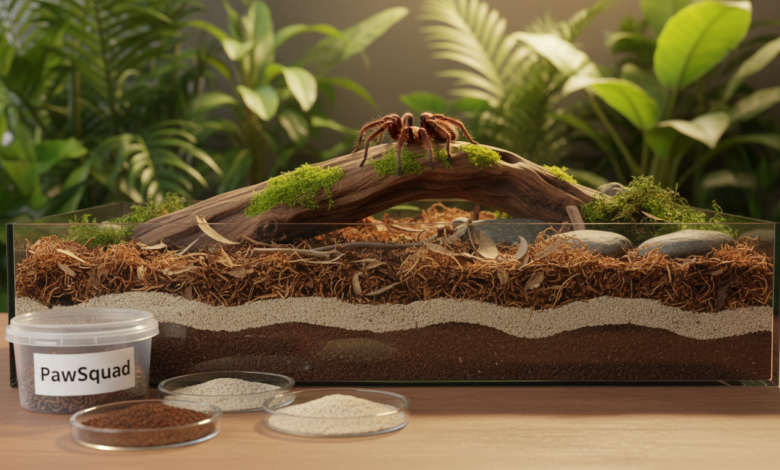
Have you ever wondered if your arachnid companion is truly flourishing in its enclosure, or is it merely surviving? Many enthusiasts overlook the complex needs of these fascinating creatures, often settling for sterile environments that lack essential ecological depth.
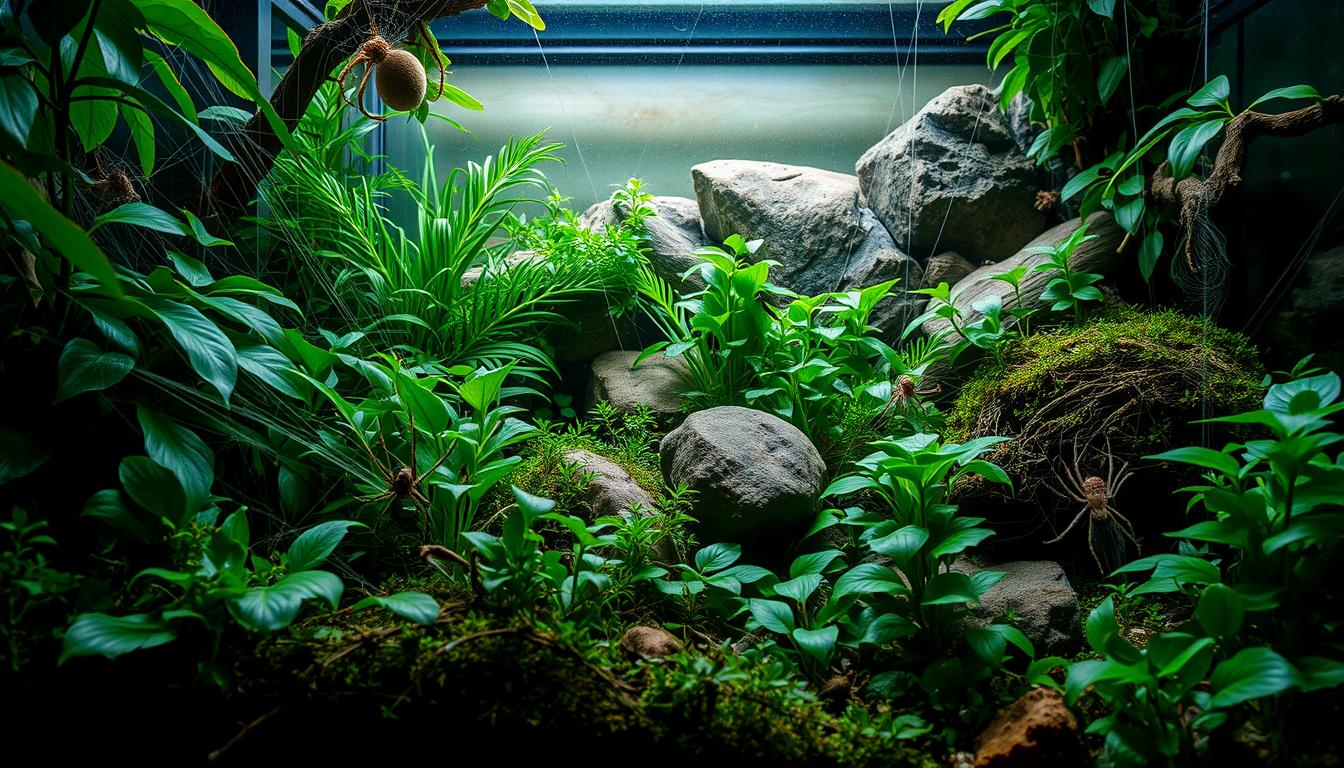
Transitioning to bioactive setups for spiders offers a revolutionary way to mimic the intricate conditions found in nature. By integrating live plants, beneficial micro-fauna, and organic soil, you create a self-sustaining ecosystem that promotes long-term health.
This professional approach to bioactive spider care reduces the need for frequent cleaning while providing a dynamic habitat. Embracing this method ensures your pet benefits from natural humidity regulation and a cleaner, more stimulating environment. It is time to elevate your husbandry standards and witness the remarkable difference in your pet’s vitality.
Key Takeaways
- Bioactive environments replicate natural habitats to improve animal wellness.
- Live plants and micro-fauna help maintain a self-cleaning ecosystem.
- Proper soil composition is vital for moisture retention and plant growth.
- This method significantly reduces the frequency of manual enclosure maintenance.
- Creating a thriving habitat leads to more active and healthy arachnids.
Understanding the Principles of Bioactive Setups for Spiders
Understanding the core biological principles is the first step toward mastering bioactive spider care. Unlike traditional enclosures that require frequent manual cleaning, these systems function as a self-sustaining, living ecosystem. By mimicking nature, you create a space where biological processes handle waste management automatically.
At the heart of bioactive setups for spiders lies the concept of nutrient cycling. Organic waste, such as leftover prey parts or molts, is broken down by a dedicated cleanup crew. These organisms convert waste into usable nutrients, which then nourish the live plants within the terrarium.
“A truly naturalistic enclosure is not just a container for an animal; it is a complex, breathing environment that evolves over time.”
Maintaining this balance requires a keen eye for detail and patience. You must ensure that the moisture levels and ventilation support both the arachnid and the micro-fauna. When these elements align, the result is a healthy, thriving habitat that requires minimal human intervention.
| Feature | Traditional Setup | Bioactive Setup |
|---|---|---|
| Waste Removal | Manual cleaning | Natural decomposition |
| Substrate | Inert material | Living soil |
| Maintenance | High frequency | Low frequency |
| Ecosystem | Static | Dynamic |
Ultimately, the goal is to foster a stable environment where your spider can thrive. By focusing on the synergy between soil, plants, and beneficial insects, you provide a superior quality of life for your pet. This approach transforms basic bioactive spider care into a rewarding, long-term project for any dedicated hobbyist.
Selecting the Right Enclosure for Your Arachnid
A well-planned spider bioactive enclosure serves as the foundation for a healthy, thriving ecosystem. Choosing the correct housing is the most critical step in your project, as it dictates the environmental parameters for your inhabitant. When you prioritize the right container, you ensure that your bioactive spider care routine remains manageable and effective over the long term.
Evaluating Ventilation Needs for Different Species
Proper airflow is essential to prevent stagnant air, which can lead to mold growth and respiratory issues for your spider. Different species have unique requirements based on their natural habitats. For example, tropical species often need higher humidity, while arid species require increased cross-ventilation to keep the substrate from becoming too damp.
You should look for enclosures that allow for a natural chimney effect. This occurs when air enters through lower vents and exits through the top, creating a constant, gentle flow. Always research the specific needs of your arachnid to determine if you need a screen top or side-vented glass panels for your bioactive setups for spiders.
Sizing the Tank for Optimal Humidity Control
Selecting the right size is about balancing the needs of the spider with the requirements of the living ecosystem. A tank that is too large can make it difficult to maintain consistent humidity levels across the entire substrate. Conversely, a container that is too small may restrict the movement of your spider and limit the growth of beneficial plants.
Strategic sizing allows you to create a micro-climate that supports both your spider and the cleanup crew. Ensure the enclosure provides enough depth for the substrate layer, which is vital for moisture retention. By choosing a balanced size, you provide a secure environment where your spider feels safe and can exhibit natural behaviors.
Choosing the Ideal Substrate for a Natural Spider Terrarium
A thriving habitat begins with the foundation you choose for your spider tank setups. The substrate acts as the lifeblood of the enclosure, providing the necessary support for both your arachnid and the essential micro-fauna. By selecting the right materials, you create a stable environment that mimics the natural world.
Mixing Soil Components for Moisture Retention
Achieving the perfect balance of moisture is vital for the health of your spider terrariums. A high-quality mix typically combines organic soil, coco fiber, and sphagnum moss to hold water without becoming waterlogged. This blend ensures that humidity levels remain consistent, which is crucial for species that require specific moisture gradients.
You should avoid using garden soil that may contain fertilizers or pesticides. Instead, opt for sterile, organic-based mixes that promote healthy root growth for live plants. Proper aeration is also necessary to prevent the growth of harmful bacteria within the soil layers.
Adding Organic Matter for Cleanup Crew Nutrition
A truly bioactive system relies on a healthy population of cleanup crew members, such as isopods and springtails. These tiny organisms require a steady supply of organic matter to thrive and perform their duties. Adding dried leaf litter, small pieces of hardwood, and bark provides the essential nutrients these creatures need to survive.
This organic layer also serves as a natural shelter for your cleanup crew. As the material breaks down, it enriches the soil, creating a self-sustaining cycle that keeps your spider tank setups clean and healthy. Regularly replenishing this organic matter ensures your spider terrariums remain vibrant and functional for years.
| Component | Primary Benefit | Moisture Level |
|---|---|---|
| Coco Fiber | Structure and bulk | Moderate |
| Sphagnum Moss | High water retention | High |
| Leaf Litter | Cleanup crew food | Low |
| Activated Charcoal | Filtration and purity | Neutral |
Selecting Cleanup Crew Members for Your Spider Bioactive Enclosure
A truly self-sustaining spider bioactive enclosure requires more than just soil and plants; it needs a dedicated cleanup crew. These tiny organisms act as the janitorial staff of your terrarium, processing waste and decaying organic matter to keep the environment healthy. By introducing these beneficial creatures, you create a balanced cycle that mimics the natural world.
Benefits of Isopods in Arachnid Habitats
Isopods, often called pill bugs or woodlice, are essential for managing larger debris within your habitat. They consume shed spider skins, leftover prey parts, and decaying leaf litter. This process prevents the buildup of harmful bacteria and keeps the substrate clean.
Beyond waste removal, these crustaceans provide several advantages for your spider tank setups:
- Soil Aeration: Their burrowing habits help keep the soil loose, which improves oxygen flow to plant roots.
- Nutrient Cycling: They break down organic matter into nutrient-rich frass, which acts as a natural fertilizer for your live plants.
- Efficiency: They work around the clock to ensure that no large organic waste remains stagnant in the enclosure.
Utilizing Springtails for Mold Control
While isopods handle the larger tasks, springtails are the microscopic heroes of spider terrariums. These tiny, hexapod creatures thrive in humid conditions and are experts at consuming mold spores and fungus. They reach into the smallest crevices where other cleaners cannot go, ensuring a pristine environment for your arachnid.
Consistency is key when maintaining a healthy spider bioactive enclosure. By keeping a stable population of springtails, you effectively prevent mold outbreaks that could otherwise compromise the health of your spider. They serve as a biological filter, providing peace of mind for keepers who want to minimize manual cleaning while maximizing habitat stability.
Integrating Live Plants into Your Tarantula Bioactive Habitat
A tarantula bioactive habitat thrives when you carefully select and integrate the right botanical elements. Beyond their visual appeal, live plants act as natural air purifiers and help regulate humidity levels within the enclosure. These living additions create a more dynamic environment that mimics the natural world.
Choosing Spider-Safe Plant Species
Safety remains the top priority when selecting greenery for your arachnid. You must ensure that every plant is free from pesticides, fertilizers, and toxic chemicals that could harm your pet. It is essential to choose species that can withstand the specific moisture and light conditions of your spider tank setups.
Hardy plants are generally the best choice for these environments. Look for varieties that thrive in moderate light and can handle occasional contact with your spider. The following table highlights some of the most reliable options for your enclosure.
| Plant Name | Light Requirement | Humidity Tolerance |
|---|---|---|
| Pothos | Low to Medium | High |
| Spider Plant | Bright Indirect | Moderate |
| Sansevieria | Low to High | Low to Moderate |
Proper Planting Techniques for Terrarium Longevity
Successful planting requires more than just placing a pot in the soil. You should remove all original nursery soil, as it often contains fertilizers or pests that are unsuitable for spider terrariums. Gently rinse the roots with clean water before introducing the plant to your bioactive setup.
When planting, ensure the root ball is securely buried in the substrate to prevent it from drying out. Providing a small layer of drainage material at the base of the planting site helps prevent root rot. This careful approach ensures that your plants remain healthy and continue to support the overall balance of your tarantula bioactive habitat for a long time.
Designing the Drainage Layer and Filtration
A successful bioactive setup relies heavily on what happens beneath the surface of the soil. When you build spider enclosures, you must account for excess moisture that naturally filters down through the substrate. Without a dedicated drainage layer, this water collects at the bottom, creating stagnant conditions that invite harmful bacteria and mold.
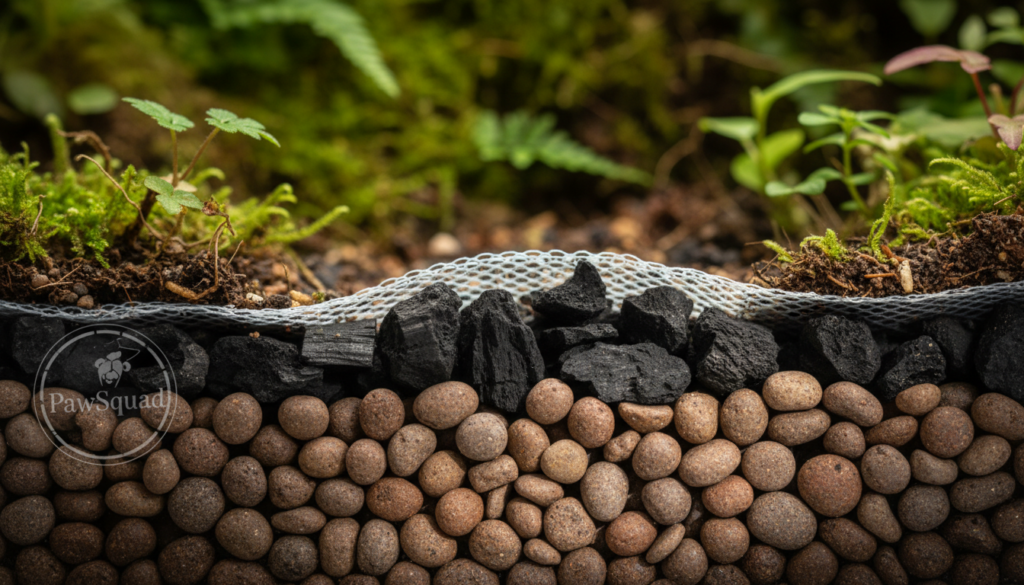
Materials for Effective Drainage
To create a functional filtration system, you need materials that allow water to pass through while maintaining structural integrity. Most keepers prefer lightweight, inorganic media that will not break down over time. These materials ensure that your arachnid terrariums remain clean and odor-free for years.
Consider using the following items to build your base layer:
- Expanded Clay Pebbles: These provide excellent space for water to pool without touching the soil.
- Fine Mesh Screen: A barrier placed between the drainage layer and the substrate to prevent soil from clogging the system.
- Activated Carbon: A thin layer of this can help filter impurities and keep the water fresh.
Preventing Substrate Saturation
Even with a perfect drainage layer, you must be careful not to over-water your habitat. Substrate saturation occurs when the soil holds too much moisture, which can lead to respiratory issues for your pet. Always monitor the moisture levels to ensure the soil remains damp but never swampy.
“The goal of a bioactive system is to mimic nature, where water cycles through the earth rather than sitting in a stagnant pool at the bottom of the tank.”
If you notice water pooling above the drainage layer, reduce your misting frequency immediately. Proper ventilation is also key to helping the top layers of the substrate dry out between waterings. By balancing these elements, you ensure that your spider enclosures remain a safe and thriving home for your arachnids.
Step-by-Step Assembly of the Bioactive Spider Tank
Building a bioactive habitat requires a methodical approach to ensure long-term success for your arachnid. When designing spider enclosures, the goal is to replicate a natural environment that supports both the inhabitant and the micro-fauna. A structured assembly process prevents common issues like soil compaction and water stagnation.
Layering the Foundation
The foundation of your tank acts as the life-support system for the entire ecosystem. Start by adding a layer of expanded clay pellets or gravel to serve as a drainage reservoir. This layer is essential for preventing the substrate from becoming waterlogged, which could harm your cleanup crew.
Place a fine-mesh screen over the drainage layer to separate it from the soil. Once the mesh is secure, add your bioactive substrate mix. This base provides the necessary nutrients for plants and a burrowing medium for your spider in these specialized arachnid terrariums.
Hardscaping with Cork Bark and Driftwood
Hardscaping provides the structural framework that makes the habitat feel like a natural home. Position your cork bark or driftwood pieces firmly against the glass or deep into the substrate to ensure they do not shift. Stability is critical to prevent accidental injury to your spider during its daily activities.
Arrange these materials to create varied elevations and hiding spots. This allows your spider to choose its preferred micro-climate within the tank. By creating vertical space, you maximize the usable area of your spider enclosures.
Final Planting and Cleanup Crew Introduction
Once the hardscape is set, it is time to introduce your live plants. Carefully remove them from their nursery pots and plant them directly into the substrate, ensuring the roots are well-covered. Water the plants lightly to help them settle into their new environment.
Finally, introduce your cleanup crew, such as isopods and springtails, to the soil surface. These tiny organisms will begin their work of breaking down waste and maintaining the health of your arachnid terrariums. They are the silent workers that keep your bioactive setup clean and balanced.
| Layer | Primary Function | Material Type |
|---|---|---|
| Drainage | Water management | Clay pellets |
| Separation | Prevents mixing | Fiber mesh |
| Substrate | Plant growth | Organic soil mix |
| Hardscape | Structural support | Cork or wood |
Lighting and Environmental Control Requirements
Precision in lighting and climate control defines the difference between a struggling habitat and a thriving ecosystem. When managing spider enclosures, you must balance the needs of live vegetation with the comfort of your arachnid inhabitant. Achieving this equilibrium requires a strategic approach to both light intensity and atmospheric monitoring.
Selecting Appropriate LED Lighting for Plant Growth
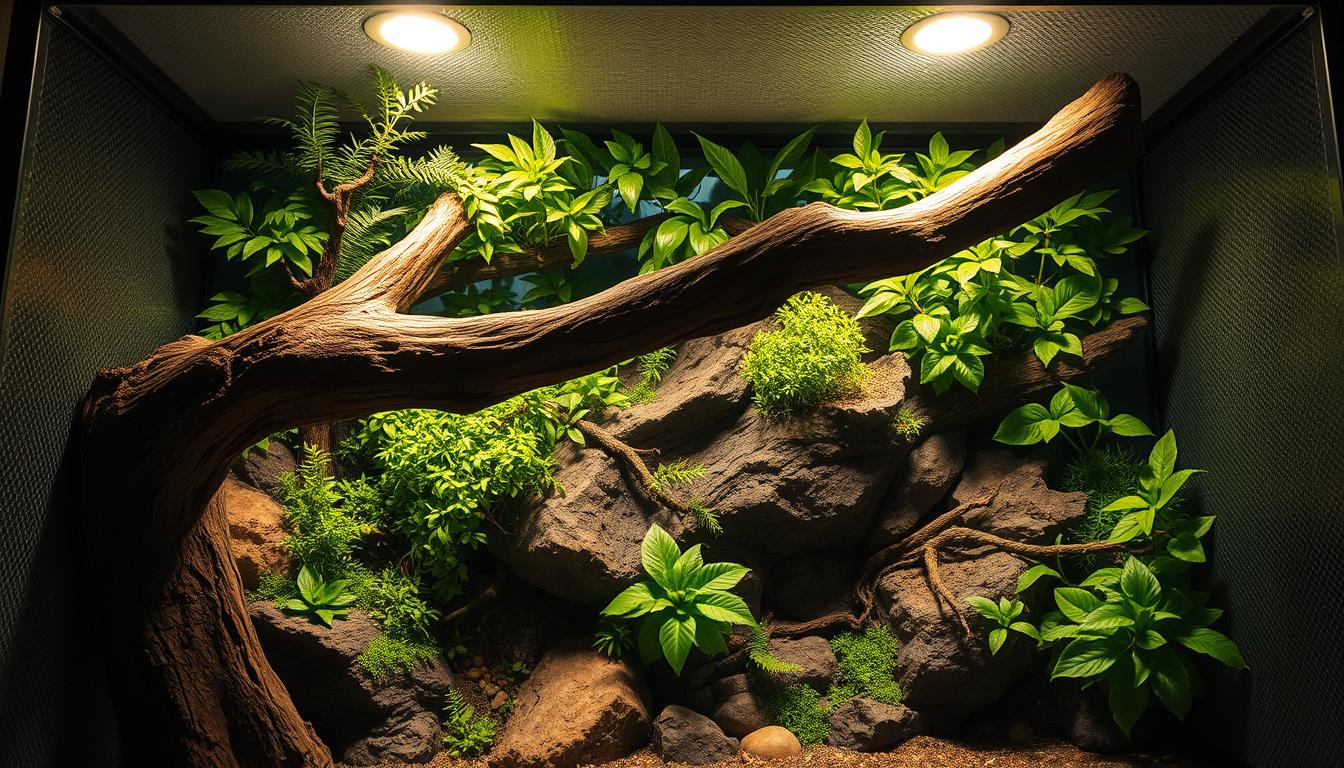
Live plants require specific light spectrums to perform photosynthesis effectively. Full-spectrum LED lights are the gold standard for arachnid terrariums because they provide the necessary wavelengths for plant health without generating excessive heat. You should look for fixtures that offer adjustable intensity settings to prevent the habitat from becoming too bright or warm.
Positioning your lighting is just as important as the bulb choice. Ensure the light is placed on top of the mesh lid to allow for proper heat dissipation. By using a timer, you can simulate a natural day-night cycle, which helps regulate the biological rhythms of both your plants and your spider.
Monitoring Temperature and Humidity Gradients
A healthy habitat relies on a clear temperature and humidity gradient. This allows your spider to move between different zones to regulate its body temperature naturally. You should avoid placing heat sources directly inside the tank, as this can lead to dangerous spikes that threaten the safety of your pet.
Digital hygrometers and thermometers are essential tools for maintaining these parameters. It is best to place these sensors at different heights within the enclosure to get an accurate reading of the micro-climate. Consistent monitoring ensures that your arachnid terrariums remain within the safe range required for long-term success.
| Monitoring Tool | Primary Function | Placement Strategy |
|---|---|---|
| Digital Thermometer | Tracks ambient heat | Mid-level on the cool side |
| Digital Hygrometer | Measures moisture levels | Near the substrate surface |
| Light Timer | Regulates photoperiod | Connected to LED power source |
| Infrared Temp Gun | Spot-checks surface heat | Used for manual verification |
Establishing the Micro-Ecosystem Before Adding Your Spider
Creating naturalistic spider habitats is a rewarding process that demands a period of careful observation. While it is tempting to add your pet immediately, the environment requires time to reach a state of biological balance. This initial phase ensures that all components work in harmony to support long-term health.
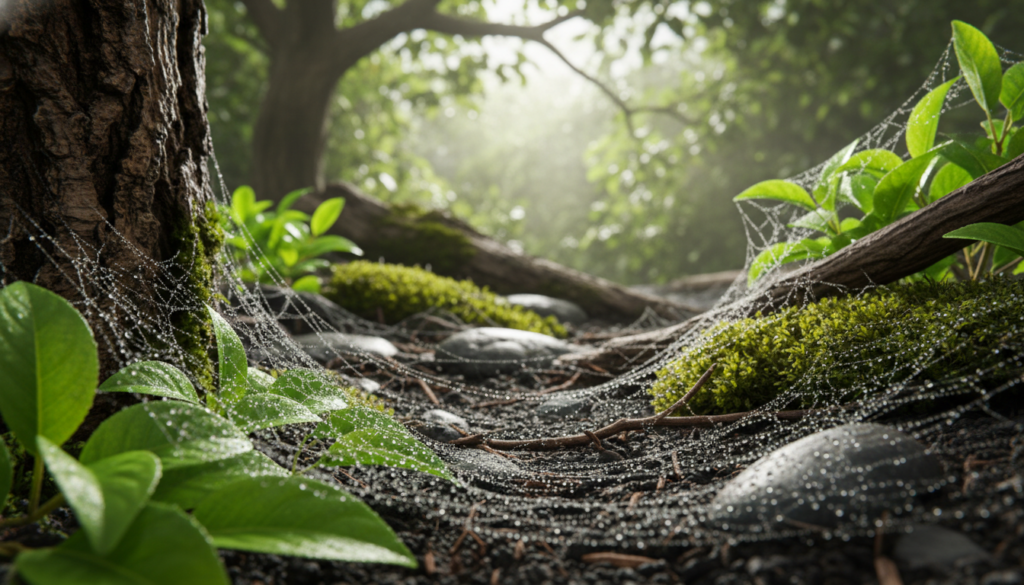
The Importance of the Cycling Period
The cycling period serves as a critical window for the soil biology to mature. During these few weeks, beneficial bacteria colonize the substrate, and the cleanup crew begins to process organic waste. Rushing this process can lead to ammonia spikes or mold outbreaks that threaten the delicate balance of the enclosure.
Plants also need this time to establish their root systems in the new environment. When plants are healthy, they contribute to stable humidity levels and oxygen exchange. A well-cycled tank provides a resilient foundation that can handle the waste produced by your spider once it moves in.
Testing the Stability of the Bioactive Environment
Before you introduce your spider, you must verify that the system is functioning correctly. Reliable spider ecosystem setups require consistent monitoring of environmental variables. You should observe the enclosure for at least two to four weeks to ensure everything remains within the target range.
Use the following table to evaluate if your enclosure is ready for its new inhabitant. If any of these indicators show signs of distress, continue the cycling process until the system stabilizes.
| Indicator | Stable Status | Action Required |
|---|---|---|
| Cleanup Crew | Active and visible | Add more organic matter |
| Plant Health | New growth visible | Check light and water |
| Substrate Moisture | Consistent dampness | Adjust ventilation |
| Mold Presence | None or minimal | Increase airflow |
Consistency is key when testing your setup. If the humidity fluctuates wildly or the cleanup crew appears sluggish, the micro-ecosystem is not yet ready. Taking the time to confirm stability now prevents significant maintenance challenges later on.
Maintenance Routines for Long-Term Habitat Health
Naturalistic spider habitats flourish when owners follow a structured maintenance plan. Consistent care ensures that the delicate balance of your terrarium remains stable over time. By dedicating a few minutes each week to observation and light upkeep, you protect the health of both your arachnid and the living environment.
Managing Plant Growth and Pruning
Live plants provide essential cover and humidity, but they can quickly outgrow their space. Regular pruning is necessary to prevent overcrowding, which might otherwise restrict airflow within the enclosure. Use clean, sharp scissors to trim back any foliage that touches the glass or obstructs the spider’s primary web-building areas.
Removing dead or decaying leaves is equally important to prevent mold growth. Healthy plants contribute to a stable atmosphere, while neglected vegetation can lead to stagnant conditions. Always ensure that your pruning tools are sanitized to avoid introducing harmful pathogens into the habitat.
Supplemental Feeding for the Cleanup Crew
Your bioactive team, consisting of isopods and springtails, works hard to process waste and organic debris. However, these organisms often require supplemental feeding to remain active and effective in spider ecosystem setups. Providing a small amount of specialized food ensures they do not turn to your live plants for nutrition.
You can offer small pieces of dried vegetable matter, fish flakes, or specialized isopod pellets once or twice a month. Monitor the population density of your cleanup crew to determine how much food they truly need. Overfeeding can lead to unwanted pests, so start with small portions and adjust based on how quickly the food disappears.
| Maintenance Task | Frequency | Goal |
|---|---|---|
| Plant Pruning | Monthly | Maintain airflow |
| Cleanup Crew Feeding | Bi-weekly | Support waste management |
| Glass Cleaning | As needed | Ensure visibility |
| Substrate Check | Quarterly | Verify moisture levels |
Common Mistakes to Avoid in Arachnid Terrariums
Maintaining naturalistic spider habitats requires a keen eye for detail and a proactive approach to potential hazards. Even small oversights in your daily routine can lead to significant health challenges for your arachnid. By identifying these risks early, you ensure a stable and thriving environment for your pet.
Preventing Over-Saturation and Stagnant Air
One of the most frequent errors in spider ecosystem setups is the creation of a swampy, poorly ventilated environment. Excess moisture trapped in the substrate often leads to bacterial growth and harmful mold outbreaks. You must ensure that your drainage layer remains functional and that the enclosure allows for consistent airflow.
If the air inside the tank feels heavy or smells musty, your ventilation is likely insufficient. Proper cross-ventilation is essential to keep the air fresh and prevent the buildup of carbon dioxide. Always monitor the substrate moisture levels to avoid waterlogging, which can be fatal to both your spider and the cleanup crew.
“The secret to a thriving bioactive enclosure lies in the balance of moisture and air; if one is neglected, the entire system will eventually collapse.”
Avoiding Toxic Materials and Pesticides
Arachnids are incredibly sensitive to chemical residues, making the selection of materials a critical task. Never use household cleaners, soaps, or pesticides near your enclosure, as even trace amounts can cause irreversible damage to your spider. Always verify that any wood, stone, or decor items are free from chemical treatments or synthetic varnishes.
When sourcing items for your spider ecosystem setups, prioritize organic and untreated materials. If you collect items from the outdoors, ensure they are thoroughly cleaned and sterilized to remove potential pesticides or parasites. The following table outlines common pitfalls and how to address them effectively.
| Common Mistake | Potential Consequence | Recommended Solution |
|---|---|---|
| Over-watering | Root rot and mold | Use a moisture meter |
| Poor ventilation | Respiratory issues | Add extra mesh vents |
| Chemical cleaners | Toxicity and death | Use only hot water |
| Untreated wood | Pesticide exposure | Bake or boil decor |
By avoiding these common errors, you protect the integrity of your naturalistic spider habitats. Consistent observation and a commitment to safety will provide your arachnid with a long, healthy life in its bioactive home.
Conclusion
Creating a thriving environment requires patience and a commitment to natural processes. Mastering the art of spider habitat design transforms a simple enclosure into a living, breathing ecosystem that supports long-term health.
Your dedication to these methods ensures that your pet enjoys a stable and enriching home. Professional spider habitat design relies on the balance between moisture, ventilation, and biological activity. These elements work in harmony to mimic the wild conditions your spider needs to flourish.
Take the time to observe your enclosure as it matures. Small adjustments to your routine will help maintain the delicate equilibrium of the micro-ecosystem. You now possess the knowledge to provide a superior standard of care for your arachnid.
Share your experiences with fellow enthusiasts to help improve the hobby. Your journey toward a perfect setup contributes to the broader understanding of captive care. Enjoy the rewarding process of watching your naturalistic habitat grow and evolve over time.
FAQ
What are the primary benefits of investing in bioactive setups for spiders?
How do spider terrariums maintain cleanliness without manual intervention?
What should I look for in professional spider enclosures to ensure proper ventilation?
Which substrate components are best for naturalistic spider habitats?
Why is a drainage layer essential in spider tank setups?
How do I select safe plants for tarantula bioactive habitats?
How long should I cycle a bioactive environment before adding the spider?
What lighting is required for effective bioactive spider care?
What are the most common mistakes to avoid in spider habitat design?
Does a spider bioactive enclosure require supplemental feeding for the cleanup crew?