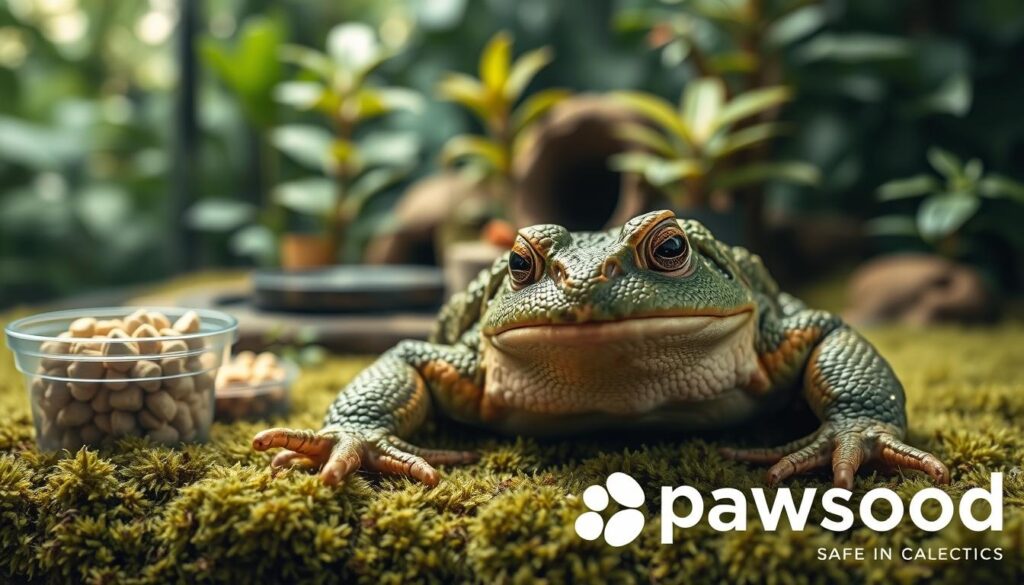
Have you ever wondered if you have the expertise required to safely house one of the world’s most misunderstood amphibians? Keeping a Rhinella marina is a significant commitment that demands more than just a basic enclosure.
Proper giant toad care is the foundation of a healthy relationship between you and your pet. These creatures possess unique biological needs that, when met, ensure their long-term well-being and your safety.
Understanding the complexities of these animals allows owners to manage them with confidence. By mastering the essential protocols for soins aux crapauds géants, you create a professional framework for success. This guide provides the expert insights necessary to thrive as a responsible keeper.
Key Takeaways
- Recognize that Rhinella marina requires specialized environmental conditions to remain healthy.
- Prioritize safety protocols due to the natural toxins produced by these amphibians.
- Understand that consistent, high-quality nutrition is vital for their growth and longevity.
- Establish a structured maintenance routine to prevent common health issues.
- Approach ownership with the mindset of a dedicated, informed steward of exotic wildlife.
Understanding the Biology and Toxicity of Cane Toads
Mastering the art of caring for giant toads begins with a deep dive into their natural instincts and chemical defenses. These amphibians possess a unique evolutionary history that dictates how they interact with their environment. By respecting these biological traits, owners can create a secure and thriving habitat.
Natural History and Temperament
Cane toads are native to South and Central America, where they have adapted to a wide range of habitats. In the wild, these creatures are opportunistic feeders with a resilient temperament. They are generally sedentary, preferring to wait for prey rather than actively hunting.
When focusing on giant toad species care, it is vital to recognize that these animals are not aggressive by nature. However, they are highly sensitive to environmental stressors. Providing a stable, predictable environment helps maintain their natural, calm disposition.
“To truly understand an animal, one must observe it not as a pet, but as a complex organism shaped by millions of years of survival.”
The Science of Bufotoxin and Safety Protocols
The primary defense mechanism of the cane toad is the secretion of bufotoxin from large parotoid glands behind their eyes. This complex chemical cocktail is designed to deter predators in the wild. For the human keeper, this means that caring for giant toads requires strict adherence to safety standards.
Effective giant toad species care involves minimizing direct contact to prevent accidental exposure to these toxins. Owners should implement the following safety protocols:
- Always wash your hands thoroughly with soap and water after any maintenance tasks.
- Use dedicated tools for cleaning the enclosure to avoid direct skin contact.
- Wear nitrile gloves if you must handle the toad for health assessments.
- Keep a dedicated first-aid kit nearby to manage any potential irritation.
By treating these biological defenses with professional respect, you ensure a safe experience for both yourself and your toad. Understanding the science behind their toxicity allows you to focus on providing high-quality husbandry without unnecessary risk.
Essential Supplies for Giant Toad Husbandry
Establishing a proper environment is the cornerstone of successful giant toad husbandry. Providing a space that mimics natural conditions ensures your amphibian remains healthy and active throughout its life. Careful planning at this stage prevents common issues related to stress and poor development.
Selecting the Right Enclosure Size
Adult cane toads are robust creatures that require significant floor space to thrive. A standard 40-gallon breeder tank is often the minimum starting point for a single adult. However, larger enclosures are highly recommended to allow for natural movement and proper thermoregulation.
When planning your setup, consider the long-term growth potential of your toad. A spacious habitat reduces the risk of obesity and encourages natural foraging behaviors. Investing in a durable, front-opening terrarium simplifies maintenance and minimizes stress during routine interactions.
“The quality of the enclosure is the single most important factor in maintaining the long-term health and vitality of captive amphibians.”
Substrate Choices for Moisture Retention
Selecting the correct substrate is vital for maintaining the high humidity levels required for healthy skin. Amphibians absorb moisture directly through their bodies, making the bedding material a critical component of giant toad husbandry. You should choose materials that hold moisture without becoming waterlogged or prone to mold.
Coconut fiber and sphagnum moss are excellent choices for moisture retention. These materials provide a soft, natural surface that is gentle on the toad’s sensitive belly. Always ensure the substrate is free of fertilizers or chemical additives that could harm your pet.
| Enclosure Feature | Recommended Material | Primary Benefit |
|---|---|---|
| Floor Space | 40+ Gallon Tank | Allows for movement |
| Substrate | Coconut Fiber | Retains humidity |
| Decor | Cork Bark | Provides hiding spots |
| Water Access | Large Shallow Dish | Supports hydration |
By prioritizing these essential supplies, you create a stable foundation for your giant toad husbandry practices. Consistent attention to the enclosure environment ensures that your toad remains comfortable and thrives in its captive home.
Designing the Perfect Giant Toad Habitat
A well-designed enclosure serves as the foundation for a healthy and stress-free giant toad. Consistent giant toad habitat maintenance ensures that your pet thrives by mimicking the conditions found in its natural range. By prioritizing environmental stability, you provide the security necessary for your toad to exhibit natural behaviors.
Temperature Requirements and Heating Elements
Cane toads require a specific temperature gradient to regulate their metabolism effectively. You should maintain a daytime ambient temperature between 75°F and 82°F, with a slightly cooler basking spot available if needed. Always use a reliable thermostat to prevent overheating, as these amphibians are sensitive to extreme thermal fluctuations.
Ceramic heat emitters are often the best choice for heating because they provide warmth without emitting light. This allows you to maintain a proper thermal gradient 24 hours a day without disrupting the toad’s natural sleep cycle. Ensure that all heating elements are securely mounted outside the reach of the toad to prevent accidental burns.
Lighting and Humidity Control Systems
While cane toads are primarily nocturnal, they still benefit from a consistent light cycle. A low-intensity UVB bulb can support overall health, though it is not strictly required for this species. You should aim for a 12-hour light and 12-hour dark cycle to help the toad maintain its internal clock.
Humidity is equally vital for skin health and respiratory function. Aim for a humidity level between 60% and 80% to prevent dehydration. Automated misting systems or foggers are excellent tools for a professional giant toad tank setup, as they provide consistent moisture levels without requiring constant manual intervention.
Creating Naturalistic Hiding Spots
Providing adequate cover is essential for reducing stress in captive toads. These animals feel most secure when they have multiple options to retreat into dark, damp areas during the day. Use materials like cork bark, large pieces of driftwood, or specialized amphibian caves to create these essential sanctuaries.
Naturalistic decor not only improves the aesthetic of the enclosure but also encourages healthy, species-specific behaviors. By arranging these hides at different points along the temperature gradient, you allow the toad to choose its preferred microclimate. A secure toad is a confident toad, which leads to better feeding responses and overall vitality.
Step-by-Step Guide to Soins aux crapauds géants
Maintaining a healthy environment for your giant toad requires a consistent and disciplined approach to daily care. Establishing a reliable maintenance schedule is essential for any owner committed to the best soins aux crapauds géants. By following a structured plan, you ensure that your amphibian thrives in a clean and stable habitat.
Establishing a Daily Maintenance Routine
A successful routine begins with a quick visual inspection of the enclosure every morning. Check the water bowl to ensure it is free of debris and that the water remains clean. Fresh, dechlorinated water is vital for the health of your toad, as they absorb moisture directly through their skin.
Next, scan the substrate for any visible waste or uneaten food items. Removing these promptly prevents the buildup of harmful bacteria and keeps the enclosure smelling fresh. Always monitor the temperature and humidity gauges to confirm that the habitat remains within the optimal range for your specific species.
Deep Cleaning and Sanitation Procedures
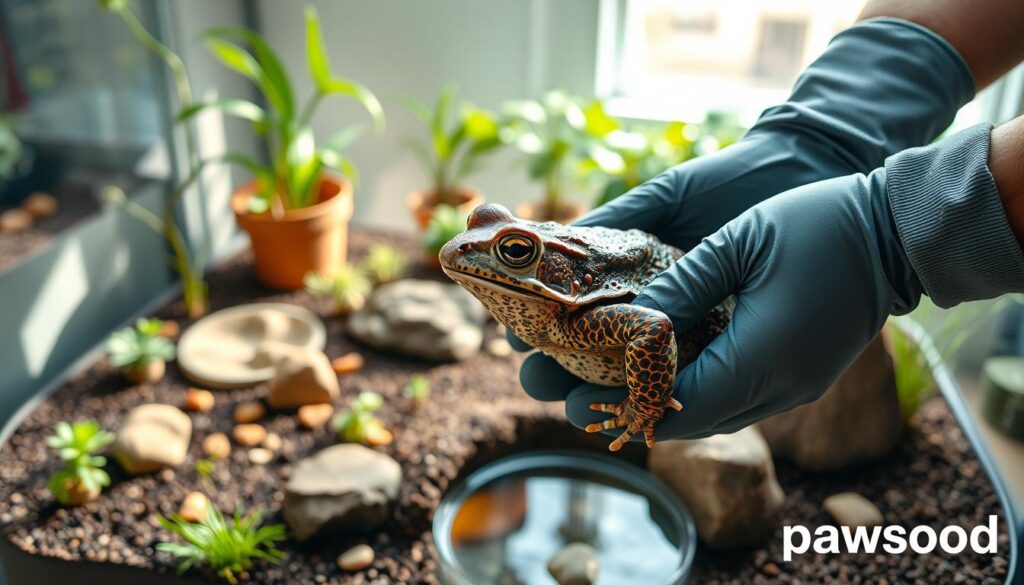
While daily spot cleaning is necessary, a deep clean should be performed every few weeks to maintain a professional-grade environment. Start by moving your toad to a secure, temporary holding container to keep them safe and stress-free during the process. Proper sanitation is the cornerstone of preventing common amphibian illnesses.
Remove all substrate and wash the enclosure walls with a mild, reptile-safe disinfectant. Rinse the tank thoroughly with warm water to ensure no chemical residue remains, as amphibians are highly sensitive to cleaning agents. Once the enclosure is dry, replace the substrate with fresh material to provide a clean, healthy foundation.
Finally, scrub all hides, water dishes, and decorative elements before returning them to the habitat. This systematic approach to soins aux crapauds géants minimizes the risk of environmental hazards. By keeping the enclosure pristine, you provide the highest standard of care for your giant toad.
Nutritional Requirements and Feeding Strategies
Proper nutrition serves as the cornerstone of long-term health for your giant toad. By following a comprehensive giant toad feeding guide, owners can effectively prevent common metabolic issues and ensure their pets thrive in captivity. A consistent approach to meal planning supports immune function and promotes healthy growth throughout the toad’s life.
Developing a Balanced Diet for Adult Toads
Adult toads require a diverse menu to mimic the variety they would encounter in the wild. Relying on a single food source often leads to nutritional deficiencies and health complications. Variety is essential for maintaining optimal body condition.
Staple insects should include gut-loaded crickets, dubia roaches, and earthworms. You should gut-load these feeder insects by providing them with high-quality vegetables like carrots or leafy greens at least 24 hours before feeding. This process ensures that the nutrients pass directly to your toad during consumption.
Supplementation and Vitamin Protocols
Even with a varied diet, captive amphibians often require additional support to meet their physiological needs. A reliable giant toad feeding guide emphasizes the necessity of calcium and multivitamin powders. These supplements bridge the gap between captive diets and natural prey.
Dust your feeder insects with a high-quality calcium supplement containing Vitamin D3 at most feedings. Once a week, replace the calcium with a broad-spectrum reptile multivitamin to provide essential trace minerals. Consistency in this routine prevents metabolic bone disease and supports proper skeletal development.
Hydration and Water Quality Management
Hydration is just as critical as food for these amphibians. Because toads absorb water through their skin, the quality of their soaking water is vital for their overall wellness. Always provide a shallow, wide dish that allows the toad to sit comfortably without the risk of drowning.
Use only dechlorinated water to fill the soaking dish, as chlorine and chloramines can irritate sensitive skin. Change this water daily to prevent the buildup of waste products and bacteria. Maintaining clean water is a fundamental aspect of responsible husbandry that keeps your toad hydrated and healthy.
Safe Handling Techniques for Toxic Amphibians
Proper handling is a cornerstone of responsible giant toad species care. Because these animals possess potent toxins, owners must adopt a disciplined approach to every interaction. By prioritizing safety, you protect both your health and the well-being of your pet.
Minimizing Stress During Interaction
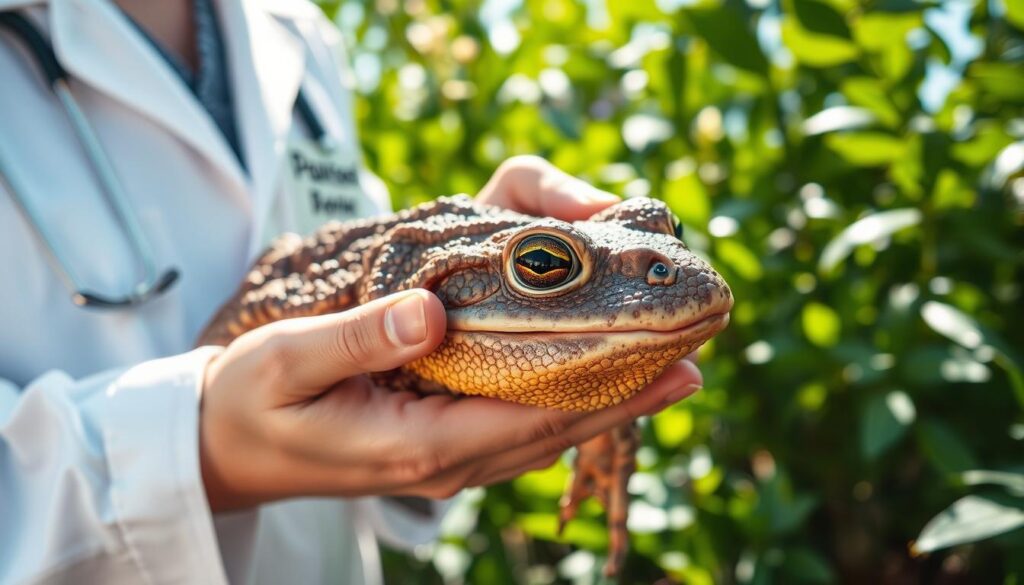
Cane toads are generally sedentary creatures that do not require frequent physical contact. Excessive handling can lead to unnecessary stress, which may weaken their immune system over time. When you must move your toad, always use slow, deliberate movements to avoid startling the animal.
Support the toad’s entire body weight from underneath rather than grasping it by the limbs. If the toad appears agitated or begins to puff up, return it to its enclosure immediately. Providing a quiet environment after any interaction helps the toad recover quickly and maintain its natural temperament.
Protective Gear and Hygiene Practices
The most effective way to manage the risks associated with bufotoxin is to use the right equipment. Always wear nitrile gloves when performing maintenance or handling your toad. These gloves provide a reliable barrier against skin secretions that could cause irritation if they come into contact with your eyes or mouth.
After every session, wash your hands thoroughly with soap and water, even if you wore gloves. Never touch your face or consume food until you have completed your sanitation routine. Maintaining these strict hygiene standards ensures that your giant toad species care remains a safe and rewarding hobby.
| Equipment | Primary Purpose | Safety Level |
|---|---|---|
| Nitrile Gloves | Prevent toxin absorption | High |
| Soft Catch Net | Minimize direct contact | Medium |
| Disinfectant Wipes | Sanitize surfaces | High |
| Plastic Transfer Tub | Safe transport | High |
Monitoring Giant Toad Health and Wellness
When caring for giant toads, your ability to spot subtle changes in behavior can save their lives. These amphibians are stoic creatures, often hiding symptoms until a condition becomes advanced. Developing a routine of daily observation allows you to catch potential issues before they escalate into serious medical emergencies.
Identifying Signs of Common Illnesses
A healthy toad should display a consistent appetite and a moist, clear skin texture. If you notice a sudden refusal to eat or lethargy, these are often the first indicators that something is wrong. Always inspect the skin for unusual bumps, discoloration, or excessive mucus production, as these can signal bacterial or fungal infections.
Weight fluctuations are another critical metric to track. While adult toads are naturally robust, rapid weight loss or sudden bloating requires immediate attention. Keeping a simple log of feeding habits and physical appearance provides a valuable history for your veterinarian.
Recognizing Stress Behaviors
Stress in captive amphibians usually stems from environmental imbalances or improper husbandry practices. You might notice your toad pacing the glass, hiding excessively, or displaying a dull skin color. These behaviors often suggest that the temperature, humidity, or lighting in the enclosure is not meeting their specific needs.
Effective giant toad health tips involve evaluating the habitat whenever stress is observed. Ensure that your heating elements are functioning correctly and that the water quality remains pristine. By maintaining a stable environment, you minimize the risk of chronic stress and promote a thriving, long-lived pet.
| Observation Category | Healthy Indicator | Warning Sign |
|---|---|---|
| Appetite | Consistent feeding | Refusal to eat |
| Skin Condition | Moist and clear | Lesions or dry patches |
| Activity Level | Alert and responsive | Lethargy or hiding |
| Body Shape | Firm and rounded | Sudden bloating |
Preventing Common Husbandry Mistakes
Providing a long, healthy life for your toad starts with avoiding simple but dangerous husbandry mistakes. Many health complications in captive amphibians stem from preventable errors in diet and habitat management. By following expert giant toad health tips, owners can ensure a stable and successful long-term care experience.
Avoiding Overfeeding and Obesity
Overfeeding is one of the most frequent errors made by new keepers. While these amphibians have a hearty appetite, constant access to food leads to rapid weight gain and obesity. This excess weight often triggers severe metabolic disorders that can shorten a toad’s lifespan significantly.
A structured giant toad feeding guide is essential to maintain a healthy body condition. Owners should monitor their toad’s weight regularly and adjust portion sizes based on activity levels and age. Consistency is key to preventing the long-term health risks associated with over-nutrition.
Managing Environmental Hazards
The habitat itself can harbor hidden dangers if not properly maintained. Many decorative items sold for terrariums may contain toxic resins or sharp edges that can injure a toad’s sensitive skin. Always verify that all enclosure materials are non-toxic and specifically designed for amphibian use.
Proper ventilation is another critical factor often overlooked by beginners. Stagnant air can lead to respiratory issues and the rapid growth of harmful bacteria. Ensure your enclosure setup allows for adequate airflow while still maintaining the necessary humidity levels for your pet.
| Husbandry Area | Recommended Practice | Common Mistake |
|---|---|---|
| Feeding Frequency | Scheduled, portioned meals | Ad-libitum or daily overfeeding |
| Decor Safety | Smooth, non-toxic materials | Sharp or porous plastic items |
| Air Quality | Consistent, gentle ventilation | Sealed, stagnant environments |
| Weight Control | Regular visual health checks | Ignoring signs of rapid weight gain |
Advanced Giant Toad Habitat Maintenance
Transitioning to a self-sustaining habitat represents the next level of giant toad husbandry. Experienced keepers often look for ways to reduce manual labor while improving the quality of life for their animals. By moving beyond basic sanitation, you can create a more stable and naturalistic environment.
Bioactive Setup Considerations
A bioactive enclosure functions as a miniature ecosystem that processes waste naturally. This setup relies on a drainage layer, specialized soil, and a cleanup crew of beneficial microfauna like springtails and isopods. These organisms break down organic matter, which significantly reduces the need for frequent substrate changes.
Integrating live plants is another vital component of this system. Plants help regulate humidity levels and provide natural filtration for the soil. When selecting flora, ensure they are sturdy enough to withstand the weight and activity of a large toad.
Managing Waste in Large Enclosures
Maintaining a clean environment in large-scale habitats can be challenging due to the sheer volume of waste produced by these amphibians. Traditional cleaning methods often fall short when dealing with expansive floor space. Giant toad habitat maintenance requires a proactive approach to prevent the buildup of ammonia and bacteria.
For larger setups, consider implementing a spot-cleaning schedule that targets high-traffic areas. You should also utilize a robust filtration system if your enclosure includes a significant water feature. These advanced strategies ensure that your giant toad husbandry practices remain sustainable and effective over the long term.
Consistency is the key to success when managing these complex environments. By balancing biological waste management with diligent observation, you provide a healthier home for your toad. This professional approach minimizes stress and promotes the overall wellness of your animal.
Legal Considerations and Responsible Ownership
Owning a giant toad requires more than just a proper giant toad tank setup; it demands a firm commitment to legal and ethical standards. Prospective owners must recognize that keeping non-native species involves navigating a complex web of regulations designed to protect local ecosystems.
Understanding Local Regulations and Permits
Before bringing an amphibian home, you must research the specific laws in your state and municipality. Many regions have strict statutes regarding the possession of invasive or non-native wildlife to prevent accidental escapes.
Contact your local department of fish and wildlife to determine if a permit is required for your specific species. Compliance is not optional; it is a fundamental aspect of being a responsible pet owner. Failure to follow these rules can lead to significant fines or the confiscation of your animal.
The Importance of Never Releasing Captive Toads
One of the most critical rules of exotic pet ownership is the absolute prohibition against releasing captive animals into the wild. Introducing a non-native species into a local environment can cause catastrophic damage to native biodiversity and food chains.
“True stewardship of the natural world requires us to recognize that our pets belong in our care, not in the wild, where they can disrupt the delicate balance of local ecosystems.”
If you find that you can no longer provide a proper giant toad tank setup or care for your animal, never abandon it outdoors. Instead, reach out to local herpetological societies, rescue organizations, or exotic animal shelters to find a safe, legal rehoming solution. By choosing this path, you uphold the highest standards of wildlife protection and ensure that your actions support the health of our environment.
Conclusion
Owning a Rhinella marina requires a dedicated commitment to biological precision and environmental stability. This guide establishes a framework for success by focusing on the specific needs of these robust amphibians.
Success stems from your ability to maintain a consistent habitat. You must prioritize the health of your toad through careful observation and routine maintenance. These practices create a stable environment where your pet can thrive for many years.
Your role as a keeper involves more than just basic feeding. It requires a deep understanding of the unique physiological traits that define this species. By applying these professional strategies, you ensure the long-term welfare of your animal.
Engage with the broader community of amphibian enthusiasts to share your experiences and learn new techniques. Your dedication to responsible husbandry sets a high standard for others in the hobby. Keep refining your approach to provide the best possible life for your giant toad.