
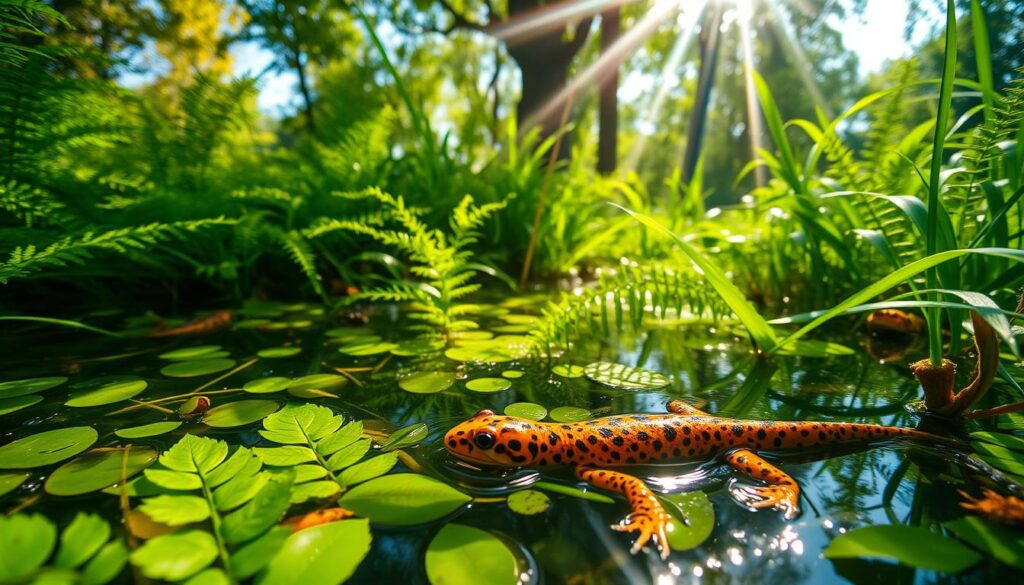
Have you ever wondered how a tiny amphibian could hold the secret to the health of an entire wetland ecosystem? The Notophthalmus viridescens, widely known as the eastern newt, is far more than just a colorful resident of North American ponds.
These unique creatures serve as vital indicators of environmental quality. Their presence or absence often signals significant shifts in water purity and habitat stability. Understanding their complex life cycle provides researchers and nature enthusiasts with essential insights into the delicate balance of our natural world.
By studying the Notophthalmus viridescens, we gain a deeper appreciation for the biological complexities of amphibians. This guide explores the fascinating behaviors and physical traits that make this species a cornerstone of wetland biodiversity.
Key Takeaways
- The eastern newt acts as a primary indicator of wetland ecosystem health.
- This species undergoes a complex, multi-stage life cycle transition.
- Environmental sensitivity makes them crucial for ecological monitoring efforts.
- Their unique biological features offer valuable data for scientific research.
- Protecting their habitat ensures the stability of broader North American ecosystems.
Understanding the Eastern Newt Species
As a prominent amphibian in North America, the eastern newt offers a window into complex evolutionary adaptations. This species is widely recognized for its unique life cycle and distinct physical appearance. By examining its biological background, observers can better appreciate the role this creature plays in local ecosystems.
Taxonomy and Scientific Classification
The eastern newt, known scientifically as Notophthalmus viridescens, belongs to the family Salamandridae. This group includes various types of salamander species found across the globe. Unlike many other members of its family, this specific animal undergoes a dramatic metamorphosis throughout its life.
Taxonomists classify the species based on its distinct aquatic and terrestrial phases. This classification helps researchers distinguish it from other regional amphibians. Understanding these scientific roots provides a professional perspective on how the species fits into the broader natural world.
Geographic Range Across North America
The red-spotted newt maintains an extensive distribution throughout North America. Its range stretches from the eastern provinces of Canada down to the Gulf Coast of the United States. This vast territory allows the species to thrive in a variety of temperate environments.
These animals are commonly found in ponds, marshes, and slow-moving streams. Their ability to adapt to different water sources contributes to their success as a widespread salamander. Protecting these habitats remains essential for maintaining healthy populations of the red-spotted newt across the continent.
Identifying Notophthalmus viridescens in the Wild
Identifying the Notophthalmus viridescens in its natural habitat requires a keen eye for detail. This species undergoes dramatic physical transformations, making it a fascinating subject for field observation. By understanding the specific visual cues of this salamander, observers can confidently distinguish it from other amphibians.
Distinguishing Physical Characteristics
The eastern newt is defined by its slender body and smooth, moist skin during its aquatic phases. Unlike many other species, this salamander lacks the prominent costal grooves found on many terrestrial relatives. Key physical traits to look for include:
- A laterally compressed tail, which acts as a powerful paddle in water.
- Distinctive dark-bordered red spots along the dorsal side.
- A relatively small head with prominent, dark eyes.
Coloration Patterns and Variations
Coloration serves as the most reliable indicator for identifying the notophthalmus viridescens. While the base color shifts between life stages, the presence of small, black-rimmed red spots remains a consistent hallmark of the species. These spots often appear in a linear pattern along the back, providing a striking contrast against the skin.
Identifying the Aquatic Adult Form
The aquatic adult red-spotted newt typically displays an olive-green or yellowish-brown dorsal surface. The belly is usually a bright, pale yellow, speckled with tiny black dots. During the breeding season, males may develop darker, more pronounced coloration and enlarged hind limbs to assist in mating rituals.
Recognizing the Terrestrial Eft Stage
The terrestrial eft stage is perhaps the most recognizable phase of the eastern newt. During this period, the animal transitions to a vibrant orange or reddish-brown hue. Its skin texture becomes noticeably rougher and drier compared to the smooth, slimy skin of the aquatic adult. This bold coloration serves as a warning signal to potential predators, indicating the presence of toxins in its skin.
Preparing for Field Observation
Mastering the art of herpetological observation begins long before you step into the wetlands. Successful field study requires a blend of proper preparation and the right set of tools to ensure both researcher safety and animal welfare. By following professional guidelines, observers can maximize their chances of a productive and educational outing across North America.
Essential Gear for Herpetological Study
Equipping yourself with the correct gear is vital for navigating diverse terrain safely. You should prioritize items that protect both you and the sensitive environment you are entering.
- Field Guides: Carry a waterproof identification guide to confirm species traits on the spot.
- Footwear: Sturdy, waterproof boots are essential for traversing muddy or submerged wetland edges.
- Safety Gear: Always pack a first-aid kit, insect repellent, and a reliable flashlight for low-light conditions.
- Observation Tools: A pair of binoculars or a magnifying glass helps you view specimens without causing unnecessary stress.
Selecting the Right Time and Weather Conditions
Environmental factors play a significant role in the visibility of amphibians. These creatures are highly sensitive to changes in their surroundings, especially in the varied climates found throughout north america.
Amphibians are most active during periods of high humidity, particularly after rainfall. Temperature also dictates movement; mild, overcast days often provide the best opportunities for spotting them in the wild. Avoid extreme heat or dry spells, as these conditions typically force newts to seek shelter underground or deep within the leaf litter.
| Condition | Ideal State | Impact on Activity |
|---|---|---|
| Humidity | High/Post-Rain | Increases surface movement |
| Temperature | Moderate (50-70°F) | Optimal metabolic function |
| Time of Day | Dusk or Dawn | Peak foraging behavior |
| Sky Cover | Overcast | Reduces dehydration risk |
Locating Suitable Aquatic Habitats
Identifying the right aquatic habitats is crucial for those interested in studying the fascinating life of the Eastern Newt. Finding these creatures in the wild requires a patient approach and a clear understanding of their preferred environmental niches. By focusing on specific water bodies, observers significantly increase their chances of a successful encounter.
Types of Ponds and Wetlands to Search
Newts are most commonly found in still or slow-moving water. Ideal locations include permanent ponds, vernal pools, and the quiet edges of larger wetlands. These areas provide the necessary shelter and food sources required for their survival throughout different life stages.
Look for bodies of water that feature a mix of open areas and dense vegetation. Submerged plants and floating leaves offer essential protection from predators. These aquatic habitats serve as vital nurseries for larvae and hunting grounds for mature adults.
Water Quality Indicators for Newt Presence
The health of a water body is often reflected in its clarity and biological diversity. Newts generally thrive in water that is relatively clear, allowing sunlight to reach submerged plants. High levels of dissolved oxygen are also a strong indicator of a thriving ecosystem capable of supporting amphibian life.
Pay close attention to the presence of specific aquatic vegetation. A diverse range of plant life suggests a stable environment with minimal pollution. When you find these aquatic habitats, you are likely looking at a balanced ecosystem where newts can flourish undisturbed.
Step-by-Step Guide to Safely Spotting Newts
Ethical wildlife observation starts with understanding how to approach sensitive environments without causing disruption. When you enter a wetland area, your primary goal is to remain as unobtrusive as possible to ensure the animals continue their natural behaviors. By moving slowly and deliberately, you significantly increase your chances of witnessing these creatures in their element.
Approaching Water Edges Without Disturbance
The key to a successful encounter is minimizing vibrations and sudden movements near the shoreline. Approach the water’s edge with a steady, quiet gait to avoid alerting the newts to your presence. Stealth is your greatest asset when navigating soft or muddy terrain near pond banks.
Avoid wearing bright clothing that might contrast sharply with the natural landscape. Instead, choose muted, earth-toned gear that helps you blend into the surroundings. Staying low to the ground can also help you remain outside the immediate field of vision of aquatic life.
Using Visual Scanning Techniques
Once you have reached a stable vantage point, take a moment to let the environment settle. Use a slow, systematic scanning technique to survey the water surface and the shallow areas near the bank. Look for subtle movements or the distinct shapes of newts resting among submerged vegetation.
Focus your attention on areas where sunlight hits the water, as newts often bask in these warmer spots. If you have binoculars, use them to scan from a distance before moving closer. This allows you to identify potential subjects without encroaching on their personal space.
Methods for Observing Without Handling
The most responsible way to enjoy wildlife is to observe from a distance rather than attempting to capture or touch the animals. Handling newts can be harmful to their delicate skin, which is highly sensitive to oils, lotions, and chemicals found on human hands. Prioritizing the health of the animal ensures that the ecosystem remains undisturbed for future generations.
If you wish to document your findings, rely on high-quality photography or detailed field notes. These methods provide a lasting record of your experience while keeping the interaction entirely non-intrusive. By maintaining this respectful distance, you contribute to a positive and ethical approach to field biology.
Navigating the Complex Life Cycle
Few amphibians exhibit such a dramatic transformation as the Notophthalmus viridescens throughout its lifespan. This species undergoes a remarkable journey that requires significant physiological shifts to survive in varying environments. By moving between aquatic and terrestrial habitats, these animals demonstrate incredible resilience.
The Aquatic Larval Stage
The life of an eastern newt begins in the water, where eggs are laid on submerged vegetation. Upon hatching, the larvae possess external gills and a tail fin, which are essential for breathing and swimming in their pond environment. During this initial phase, they act as small, aquatic predators feeding on tiny invertebrates.
The Transition to the Red Eft Phase
As the larvae grow, they undergo a metamorphosis that prepares them for life on land. They lose their gills and develop lungs, emerging as terrestrial juveniles known as red efts. This stage is characterized by a vibrant orange-red coloration, which serves as a warning signal to potential predators about their toxic skin secretions.
“The metamorphosis of amphibians represents one of nature’s most profound examples of biological adaptation, allowing species to exploit diverse ecological niches.”
Returning to Water as Mature Adults
After spending several years on land, the red eft undergoes a final transformation to become a mature adult. They return to the water to breed, regaining their olive-green color and a flattened tail for efficient swimming. The eastern newt remains primarily aquatic for the rest of its life, completing the cycle.
| Life Stage | Primary Habitat | Key Feature |
|---|---|---|
| Larva | Aquatic | External Gills |
| Red Eft | Terrestrial | Bright Coloration |
| Adult | Aquatic | Flattened Tail |
Understanding Seasonal Behavioral Patterns
Understanding the annual cycle of these amphibians is essential for anyone hoping to spot them in North America. Seasonal changes dictate the activity levels of these creatures, making precise timing a critical factor for successful field observation.
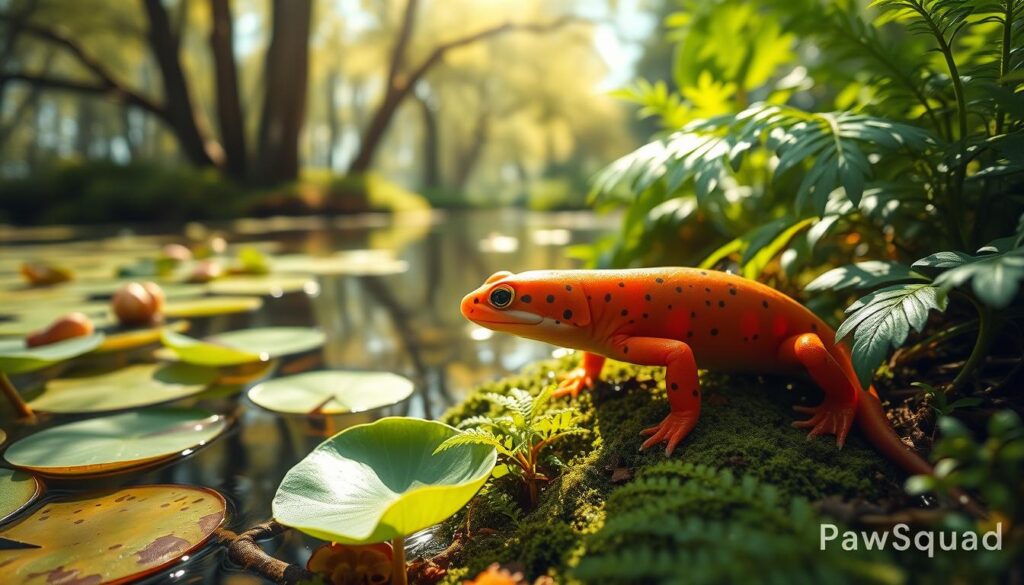
Breeding Season Dynamics
The reproductive cycle of the red-spotted newt is primarily triggered by warming water temperatures and increased daylight hours. As spring arrives, adults migrate toward permanent water bodies to begin their courtship rituals.
Observers often notice increased movement during this time as males display vibrant colors to attract mates. Water quality and temperature serve as the primary environmental cues that signal the start of this vital reproductive phase.
Overwintering Strategies in Cold Climates
When temperatures drop across North America, these amphibians must adapt to survive the harsh winter months. They do not migrate long distances; instead, they seek out stable environments that remain above freezing.
Many individuals retreat to the muddy bottoms of ponds or find shelter under logs and leaf litter near the water’s edge. This dormant state allows the red-spotted newt to conserve energy until the return of warmer weather. By recognizing these seasonal shifts, you can better predict when these fascinating animals will emerge from their winter retreats.
Dietary Habits and Ecological Role
Beyond their striking appearance, these amphibians serve as vital links in the health of wetland ecosystems. Their presence indicates a thriving environment where energy flows efficiently between different species. By occupying various niches, they help maintain the delicate balance of their aquatic habitats.
Prey Selection in Aquatic Environments
Eastern Newts are opportunistic feeders that rely on a diverse menu to meet their high energy demands. In their underwater stages, they primarily hunt small invertebrates found near the pond floor or among submerged vegetation.
Their diet typically includes tiny crustaceans, insect larvae, and small mollusks. This constant consumption of invertebrates helps regulate local populations, preventing any single species from overwhelming the resources within these aquatic habitats.
The Role of Newts as Predators and Prey
The ecological importance of the newt extends beyond its own feeding habits. As predators, they keep invertebrate numbers in check, which supports the overall stability of the food web.
However, they also serve as a crucial food source for larger animals, including birds, snakes, and certain fish species. This dual role as both hunter and hunted makes them a cornerstone of healthy aquatic habitats.
Their ability to survive in these environments depends on their adaptability. By understanding these interactions, researchers gain valuable insight into the interconnected nature of wetland biodiversity and the long-term survival of the species.
Safety and Ethical Handling Guidelines
Interacting with wildlife requires a deep sense of responsibility to ensure the safety of both the observer and the animal. When you explore natural habitats, your presence should remain as unobtrusive as possible. Maintaining a professional distance is the best way to ensure that every amphibian you encounter remains healthy and undisturbed.
Why Handling Should Be Avoided
It is tempting to pick up a salamander to get a closer look at its unique features. However, physical contact often causes significant stress to the animal, which can disrupt its natural behaviors. Furthermore, these creatures possess specialized skin secretions that serve as a defense mechanism against predators.
These toxins are meant to deter threats, but they can also cause irritation to human skin. By choosing to observe from a distance, you protect yourself from these secretions while ensuring the animal does not waste vital energy trying to escape or defend itself. Respecting their space is the hallmark of a true nature enthusiast.

Protecting Sensitive Amphibian Skin
The skin of an amphibian is highly permeable, allowing them to breathe and absorb water directly from their environment. This biological trait makes them incredibly sensitive to external substances. Even trace amounts of common household items can be harmful to them:
- Sunscreen and insect repellent: These chemicals are toxic if absorbed through their skin.
- Hand lotions and soaps: Residues can disrupt the natural protective mucus layer of the animal.
- Dirt and oils: Human skin oils can clog their pores and interfere with their respiratory process.
Preventing the Spread of Pathogens
One of the most critical reasons to avoid touching a salamander is the risk of transmitting diseases. Pathogens, such as the deadly chytrid fungus, can easily travel between different water bodies on human footwear or equipment. If you move from one pond to another, you might inadvertently carry harmful microbes that devastate local populations.
To maintain a safe environment, follow these simple ethical practices:
- Always clean and disinfect your boots and gear between different field sites.
- Avoid walking directly through shallow breeding pools where eggs or larvae may be present.
- Keep your hands to yourself and use binoculars or a camera lens for close-up inspection.
By adhering to these guidelines, you play a vital role in the conservation of local wildlife. Responsible observation ensures that these fascinating creatures continue to thrive in their natural habitats for generations to come.
Contributing to Citizen Science Projects
Citizen science bridges the gap between casual nature walks and professional wildlife conservation efforts. By sharing your observations, you provide researchers with essential data that would otherwise be impossible to collect on a large scale. This collaborative approach empowers individuals to take an active role in the scientific understanding of their local environment.
Documenting Sightings for Research
When you spot a newt in the wild, your documentation can help scientists track population trends over time. Accurate records include the date, time, and precise location of the sighting. Consistency is key when gathering this information, as it allows experts to identify shifts in habitat usage or seasonal activity.
Submitting your findings to established scientific databases ensures that your contribution remains accessible for future studies. These platforms aggregate data from across the country, creating a comprehensive map of species distribution. By contributing, you directly support wildlife conservation by helping identify areas that require protection or restoration.
Using Mobile Apps for Biodiversity Tracking
Modern technology has simplified the process of recording nature sightings significantly. Mobile applications like iNaturalist or HerpMapper allow users to upload photos and location data instantly from the field. These tools often include automated identification features that help verify your findings with the help of a global community.
Using these apps makes participating in wildlife conservation accessible to everyone, regardless of their scientific background. The intuitive interfaces guide you through the data entry process, ensuring that every submission meets the quality standards required by researchers. Embracing these digital tools transforms your smartphone into a powerful instrument for environmental stewardship.
Conservation Status and Habitat Protection
Preserving the future of our local amphibian populations requires a dedicated commitment to environmental stewardship. By understanding the challenges these creatures face, we can implement effective strategies to ensure their survival. Protecting the integrity of aquatic habitats is the most critical step in maintaining biodiversity within our regional ecosystems.
Threats to Local Populations
Several factors currently jeopardize the stability of this native species. Rapid urbanization often leads to the destruction of essential breeding grounds, leaving populations fragmented and vulnerable. Furthermore, chemical runoff from agricultural and residential areas introduces pollutants that degrade water quality.
Climate change also poses a significant risk by altering the seasonal timing of water availability. When wetlands dry up prematurely, the reproductive cycle of the newt is severely disrupted. Addressing these issues is a core component of modern wildlife conservation efforts.
How to Support Wetland Restoration
Individuals play a vital role in the recovery and maintenance of healthy environments. You can contribute to the restoration of aquatic habitats through several practical actions that yield measurable results for the local native species.
- Volunteer for local clean-up events: Participate in community efforts to remove trash and invasive plants from nearby ponds.
- Advocate for policy changes: Support local zoning laws that protect wetlands from industrial development.
- Manage your property responsibly: Reduce the use of fertilizers and pesticides that can leach into the groundwater.
- Support land trusts: Donate to organizations dedicated to the permanent protection of natural landscapes.
Engaging in wildlife conservation at a local level creates a ripple effect of positive change. Every small effort helps stabilize the environment for the amphibian populations that depend on these delicate ecosystems to thrive.
Conclusion
The eastern newt serves as a vital indicator of ecosystem health across North America. Mastering the art of identification and observation allows enthusiasts to appreciate the complex life stages of this unique creature.
Responsible study requires a commitment to ethical practices that prioritize the safety of every native species. By minimizing physical contact and respecting natural habitats, observers ensure these amphibians thrive in their wild environments.
Active participation in citizen science projects bridges the gap between casual interest and meaningful research. Recording sightings through platforms like iNaturalist provides scientists with essential data for long-term wildlife conservation efforts.
Every individual action contributes to the broader goal of preserving biodiversity. Protecting local wetlands remains a primary way to safeguard the future of these fascinating animals. Use this knowledge to become a steward of the environment and share these insights with others in the community.