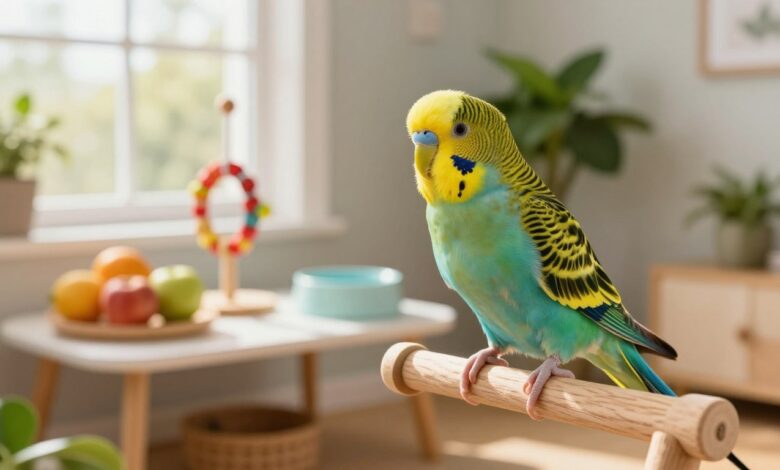
Have you ever wondered if your home is truly ready for a vibrant, high-energy companion that demands as much attention as a toddler? Bringing a beautiful bird into your life is a rewarding journey, but it requires a deep understanding of indian ringneck care to ensure your feathered friend thrives.
These intelligent creatures are famous for their striking colors and playful personalities. However, they are not just decorative pets; they are complex beings that need consistent social interaction and mental stimulation every single day.
Providing the right environment is essential for a long, happy life. By committing to their physical and emotional needs from the start, you build a bond that lasts for decades. Let us explore how to master the art of keeping your pet healthy and joyful.
Key Takeaways
- Understand the high social needs of these intelligent birds.
- Prioritize a balanced diet to maintain vibrant health.
- Create a stimulating environment to prevent boredom.
- Establish a routine to build trust and emotional security.
- Prepare for a long-term commitment spanning many years.
Understanding the Unique Personality of Indian Ringnecks
Mastering the art of indian ringneck care begins with a deep dive into their fascinating and often misunderstood behavioral patterns. These parrots are highly intelligent, independent, and possess a bold spirit that can surprise even experienced bird owners. By learning to read their subtle cues, you can foster a rewarding and long-lasting bond with your feathered friend.
Decoding Indian Ringneck Behavior
To truly understand indian ringneck behavior, you must observe how they communicate through body language and vocalizations. These birds are expressive, often using their crests, eyes, and tail feathers to signal their current mood or intentions.
It is common for young birds to go through a “bluffing” phase, where they may become nippy or assertive as they test their boundaries. During this time, patience is your greatest tool. Instead of reacting with frustration, maintain a calm demeanor to show your bird that you are a safe and reliable companion.
- Pinning eyes: Often indicates excitement or intense focus.
- Fluffed feathers: Can signify relaxation or, if accompanied by shivering, a need for warmth.
- Tail bobbing: Frequently a sign of contentment or a precursor to vocalizing.
The Importance of Early Socialization
Effective indian ringneck socialization is the cornerstone of a well-adjusted pet. When you introduce your bird to new people, environments, and experiences early on, you help build their confidence and reduce the likelihood of fear-based aggression.
Consistent, positive interactions are essential for long-term success. Spend time talking to your bird, offering treats from your hand, and allowing them to explore outside of their cage in a secure area. This proactive approach to indian ringneck socialization ensures that your parrot remains friendly and curious throughout its life.
Remember that every bird is an individual with its own pace of learning. By prioritizing indian ringneck care that focuses on trust and mutual respect, you create a harmonious home environment where your parrot can truly thrive.
Creating the Perfect Indian Ringneck Habitat
Your parrot’s well-being starts with the environment you build for them at home. Providing a high-quality indian ringneck habitat is the foundation of a healthy lifestyle for your pet. When you prioritize their living space, you ensure they feel secure and comfortable every single day.
Selecting the Right Cage Size and Material
Indian Ringnecks are active birds that require plenty of room to stretch their wings and move around. A cage should be at least 24 inches wide, 24 inches deep, and 36 inches high to allow for natural movement. Always opt for a larger enclosure if your space permits, as these birds love to climb and play.
When choosing materials, prioritize safety above all else. Stainless steel or powder-coated wrought iron are the best choices because they are durable and non-toxic. Avoid cages with lead or zinc, as these metals can cause serious health issues if your bird decides to chew on the bars.
Essential Cage Placement and Environmental Factors
Proper placement is a vital part of indian ringneck care. These birds are highly social and thrive when they are part of the household activity. Place the cage in a room where your family spends most of their time, such as the living room, to keep your bird engaged.
However, ensure the cage is not in a drafty area or direct sunlight. A quiet corner where the bird can retreat for rest is also necessary for their mental health. Consistency in their environment helps reduce stress and promotes a calm temperament.
Safe Perches and Cage Accessories
The interior of the cage should be just as thoughtful as the exterior. Use natural wood perches of varying diameters to keep your bird’s feet healthy and prevent pressure sores. Avoid sandpaper covers, as these can be abrasive and cause painful foot injuries.
Include a variety of safe toys to keep your pet mentally stimulated throughout the day. Rotate these items frequently to prevent boredom and encourage natural foraging behaviors. By focusing on these details, you provide the best possible foundation for long-term indian ringneck care.
Nutritional Requirements for a Healthy Indian Ringneck Diet
A vibrant and energetic parrot starts with a carefully planned daily menu. Providing a balanced indian ringneck diet is the most effective way to support your bird’s immune system and maintain beautiful, glossy feathers.
Consistency in feeding habits helps prevent common nutritional deficiencies. By focusing on high-quality ingredients, you ensure your companion thrives for years to come.
The Balance of Pellets, Seeds, and Fresh Produce
A healthy indian ringneck diet relies on a specific ratio of food groups. Most avian experts recommend that pellets make up about 60% to 70% of the daily intake to ensure complete nutrition.
Seeds should be treated as a supplement rather than a primary food source due to their high fat content. Fresh produce should round out the remaining portion of the meal to provide essential vitamins and hydration.
- High-quality pellets: The foundation of daily nutrition.
- Fresh vegetables: Offer daily for variety and fiber.
- Seed mixes: Use sparingly as treats or training rewards.
Safe Fruits and Vegetables for Your Parrot
Incorporating a variety of fresh produce keeps mealtime exciting for your bird. Many colorful vegetables provide the antioxidants necessary for a strong indian ringneck diet.
Always wash produce thoroughly to remove pesticides before serving. You can chop these items into small, manageable pieces to encourage natural foraging behaviors.
Consider adding these safe options to your bird’s bowl:
- Leafy greens like kale, spinach, and Swiss chard.
- Crunchy vegetables such as carrots, bell peppers, and snap peas.
- Fruits like apples (without seeds), berries, and papaya.
Foods to Avoid at All Costs
Some common household foods are highly toxic to parrots and can cause severe health complications. It is vital to keep these items away from your bird’s reach at all times.
Even small amounts of certain substances can be fatal to a small bird. Always double-check the safety of any new food before offering it to your pet.
Avoid feeding your bird the following items:
- Chocolate and caffeine: These contain stimulants that are dangerous to avian hearts.
- Avocado: The skin and pit contain persin, which is toxic to birds.
- Onions and garlic: These can cause anemia and digestive distress.
- Fruit pits and apple seeds: These often contain trace amounts of cyanide.
Mastering Indian Ringneck Training Techniques
Mastering the art of communication is the secret to a happy and well-adjusted parrot. Indian ringneck training is not just about teaching tricks; it is a vital way to provide mental stimulation and deepen your bond. By dedicating time to these sessions, you help your bird feel secure and understood in your home.
https://www.youtube.com/watch?v=w8ELFk7rnsU
Positive Reinforcement and Clicker Training
Positive reinforcement is the most effective way to shape indian ringneck behavior. This method relies on rewarding desired actions with treats or praise rather than punishing mistakes. When your bird performs a task correctly, offer an immediate reward to reinforce the connection.
Clicker training acts as a bridge to help your bird understand exactly which action earned the reward. The sound of the clicker marks the precise moment of success. Consistency is key, so keep your sessions short and upbeat to maintain your bird’s interest.
Teaching Basic Commands and Tricks
Start with simple commands like “step up” or “target.” These foundational skills make daily handling much easier and safer for both of you. Once your bird masters these, you can move on to fun tricks like spinning or waving.
Always keep your training environment quiet and free of distractions. Patience is essential, as every bird learns at its own pace. Celebrate small victories to keep the experience positive and engaging for your feathered companion.
Managing Biting and Aggressive Tendencies
Understanding indian ringneck behavior is crucial when addressing biting or aggression. Often, these actions stem from fear, hormonal changes, or a lack of clear boundaries. Instead of reacting with frustration, remain calm and provide gentle, consistent guidance.
If your bird becomes aggressive, calmly place them back in their cage for a short “time-out” to allow them to settle down. Never use physical punishment, as this only damages trust and increases anxiety. By focusing on positive redirection, you can teach your bird more appropriate ways to interact with you.
Essential Indian Ringneck Grooming and Hygiene
Maintaining a consistent schedule for indian ringneck grooming is a cornerstone of responsible bird ownership. Proper hygiene practices directly influence your parrot’s long-term health, comfort, and overall happiness. By staying proactive, you can prevent common issues and ensure your bird remains in peak physical condition.
Bathing Routines and Feather Care
Regular bathing is vital for keeping feathers clean and supporting healthy skin. Most birds enjoy a gentle misting with a spray bottle filled with lukewarm water, which mimics natural rainfall. Alternatively, you can provide a shallow bird bath dish where your pet can splash around at its own pace.
Consistency is key when establishing these routines. Aim to offer bathing opportunities at least three times a week to keep dust and dander under control. Always ensure your bird has a warm, draft-free area to dry off afterward to prevent chilling.
Nail and Beak Maintenance
Proper indian ringneck grooming also involves monitoring the growth of nails and the beak. Providing a variety of textured perches, such as natural wood or concrete, helps wear down nails naturally during daily activity. This reduces the need for frequent manual trimming.
If you notice the beak becoming overgrown or nails appearing too sharp, consult an avian veterinarian for a professional trim. Attempting to trim these yourself without proper training can lead to injury or bleeding. Always keep styptic powder on hand just in case of minor accidents during routine maintenance.
Recognizing Signs of Over-Preening
While preening is a natural behavior, excessive attention to feathers can indicate underlying stress or health issues. If you notice bald patches, frayed feather edges, or skin irritation, it is time to investigate the cause. This behavior often stems from boredom, lack of social interaction, or environmental changes.
Early detection is essential for effective intervention. If you suspect your bird is over-preening, evaluate its current environment and enrichment levels. A quick checkup with a specialist can rule out medical conditions like parasites or nutritional deficiencies.
| Grooming Task | Recommended Frequency | Primary Benefit |
|---|---|---|
| Bathing | 3-4 times per week | Skin health and feather luster |
| Nail Inspection | Weekly | Prevents overgrowth and injury |
| Beak Check | Monthly | Ensures proper alignment and wear |
| Feather Review | Daily | Early detection of stress signs |
Enrichment and the Best Indian Ringneck Toys
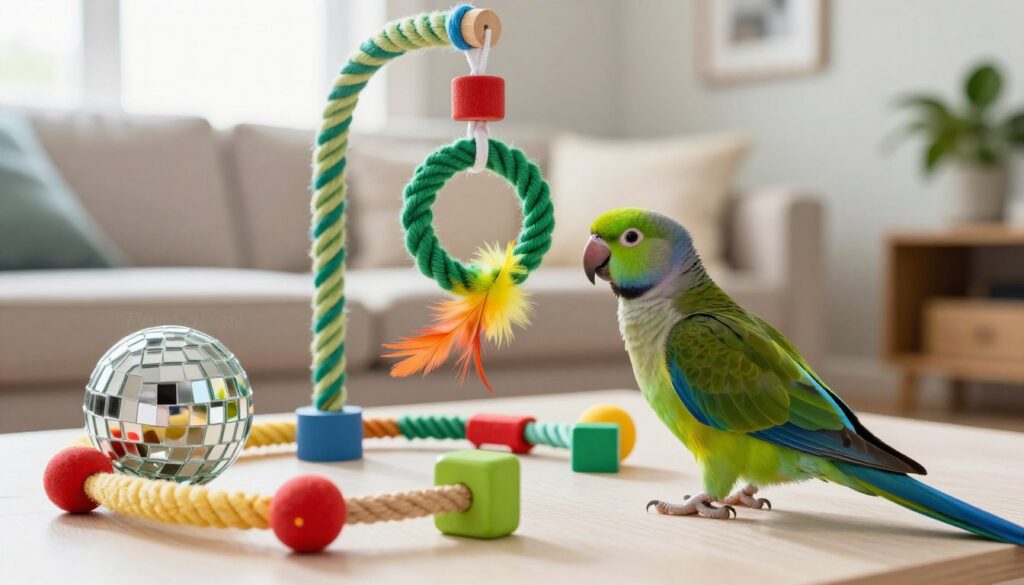
Enrichment is the secret to a well-adjusted and vibrant Indian Ringneck. While physical exercise is vital, mental stimulation keeps your bird sharp and prevents behavioral issues. By providing a variety of indian ringneck toys, you encourage your pet to use its natural intelligence to solve problems.
Types of Toys for Mental Stimulation
Parrots are naturally curious creatures that thrive on exploration. You should look for toys that challenge their cognitive abilities, such as foraging puzzles or complex wooden structures. These items mimic the search for food in the wild, which is essential for their psychological health.
Foraging toys are particularly effective because they reward the bird for its effort. When your parrot has to work to retrieve a treat, it stays focused and satisfied for longer periods. Always ensure that any toy you choose is made from bird-safe materials like untreated wood, sisal, or vegetable-tanned leather.
Rotating Toys to Prevent Boredom
Even the most exciting toy can lose its appeal if it stays in the cage for weeks. To keep your bird interested, you should rotate your collection of indian ringneck toys every few days. This simple strategy makes the environment feel new and prevents the monotony that often leads to feather plucking.
Keep a “toy box” stored away and swap out items whenever you notice your bird losing interest. This method ensures that your pet remains curious and engaged with its surroundings. It also helps you identify which types of play your bird prefers most.
DIY Enrichment Ideas for Your Bird
You do not need to spend a fortune to keep your parrot happy. Many safe and cost-effective enrichment ideas can be crafted from common household items. For example, you can hide treats inside a folded paper cup or a cardboard tube to encourage natural foraging behaviors.
These simple projects can also serve as a foundation for indian ringneck training. By teaching your bird to interact with these homemade items, you build trust and improve your communication. Always supervise your bird during playtime to ensure they do not ingest any non-edible materials.
| Toy Category | Primary Benefit | Difficulty Level |
|---|---|---|
| Foraging Puzzles | Mental Problem Solving | High |
| Shreddable Paper | Natural Instincts | Low |
| Wooden Blocks | Beak Maintenance | Medium |
| Interactive Bells | Auditory Stimulation | Low |
Monitoring Indian Ringneck Health and Lifespan
A long and vibrant life for your parrot depends on consistent health monitoring. By staying observant, you can catch subtle changes in behavior that might indicate a decline in indian ringneck health.
Common Health Issues to Watch For
These birds are generally hardy, but they can be prone to specific ailments if not properly cared for. Respiratory infections are a common concern, often caused by drafts or poor air quality in the home.
You should also be aware of psittacosis, a bacterial infection that requires immediate veterinary intervention. Furthermore, maintaining a balanced indian ringneck diet is vital to prevent vitamin A deficiencies, which often lead to respiratory and skin issues.
The Importance of Avian Veterinary Checkups
Regular visits to an avian-certified veterinarian are essential for your bird’s long-term wellness. These professionals can perform blood work and physical exams that detect hidden problems before they become severe.
Do not wait for your bird to show obvious signs of illness before scheduling an appointment. Birds are masters at hiding discomfort, so preventative care is the best way to ensure your pet stays in peak condition.
Understanding the Average Indian Ringneck Lifespan
When you bring one of these intelligent birds into your home, you are making a significant commitment. The average indian ringneck lifespan typically ranges between 20 and 30 years with proper care.
Providing a high-quality indian ringneck diet and a stimulating environment will help your companion reach their full potential. Understanding this long indian ringneck lifespan helps you prepare for the many years of joy and companionship ahead.
Safety Tips for Your Home Environment
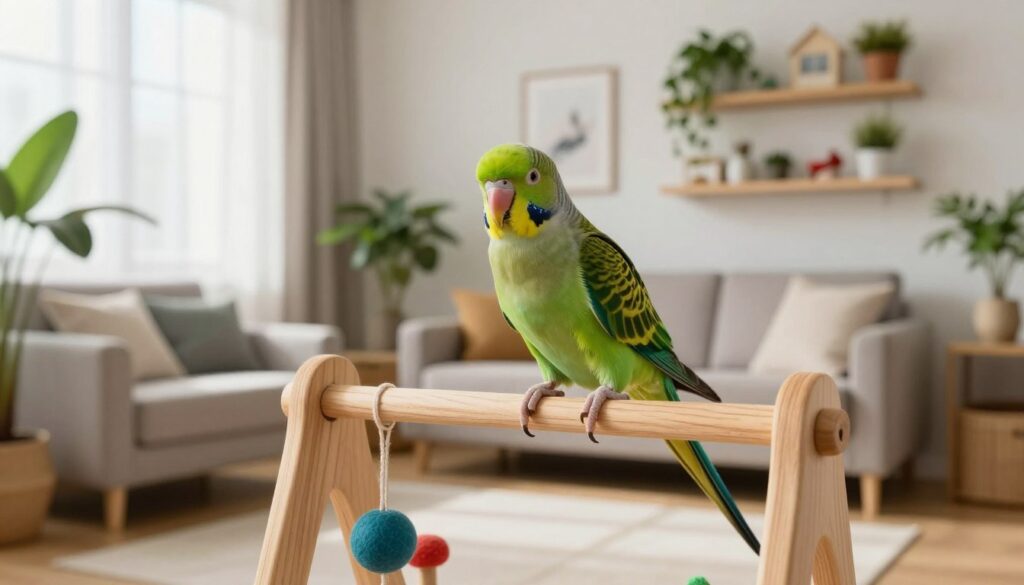
A curious parrot will explore every corner of your house, making safety a top priority for owners. While your bird may spend much of its time in its cage, the entire home becomes part of the indian ringneck habitat when you allow for supervised out-of-cage time. Taking proactive steps to secure your living area prevents accidents and ensures your pet remains healthy and happy.
Bird-Proofing Your Living Space
Before letting your bird roam, you must identify potential hazards that could lead to injury or escape. Parrots are natural chewers and explorers, so you need to be vigilant about what they can reach.
- Cover all mirrors and windows with curtains or decals to prevent flight collisions.
- Secure all electrical cords inside protective tubing to stop your bird from chewing on live wires.
- Remove or relocate all toxic houseplants, as many common indoor plants are poisonous to birds.
- Ensure all ceiling fans are turned off whenever your bird is out of its cage.
Dangers of Household Toxins and Fumes
Protecting your bird involves more than just physical barriers; you must also consider the air quality in your home. Birds have highly sensitive respiratory systems, making them susceptible to airborne toxins that humans might not even notice.
Avoid using non-stick cookware, such as Teflon, which releases deadly fumes when overheated. You should also steer clear of scented candles, air fresheners, and harsh chemical cleaners. Maintaining clean air is a fundamental aspect of supporting long-term indian ringneck health.
Safe Interaction with Other Household Pets
Introducing a parrot to other animals requires extreme caution and constant supervision. Even the most well-behaved dog or cat can have a predatory instinct that triggers when a bird flaps its wings or makes sudden movements.
Never leave your bird unattended with other pets, even if they seem to get along. It is best to keep them in separate rooms or use a sturdy, secure enclosure when you cannot provide direct oversight. By managing these interactions carefully, you create a stable and stress-free indian ringneck habitat for your companion.
Conclusion
Caring for an Indian Ringneck parrot is a deeply rewarding journey that transforms your daily life. This commitment requires patience, consistent knowledge, and genuine dedication to your bird’s well-being.
You now possess the essential tools to create a thriving environment for your companion. Focus on high-quality nutrition, structured training sessions, and a secure home to ensure your parrot remains happy for many years.
Your relationship with your bird grows stronger through every interaction. Small daily efforts in socialization and play build a foundation of trust that lasts a lifetime.
We encourage you to share your experiences with other bird enthusiasts in your local community. Tell us about your favorite training milestones or the unique personality traits of your feathered friend in the space below. Your insights help others provide the best possible care for these intelligent creatures.
FAQ
What is the average indian ringneck lifespan, and how does it impact my commitment as an owner?
How can I best manage indian ringneck behavior and ensure proper indian ringneck socialization?
What are the essential requirements for a high-quality indian ringneck habitat?
What should be included in a balanced indian ringneck diet to keep their feathers vibrant?
How do I get started with indian ringneck training and teaching my bird to talk?
What are the best indian ringneck toys to prevent boredom and feather plucking?
Does my bird need a specific indian ringneck grooming routine?
How can I monitor my indian ringneck health and recognize when something is wrong?