
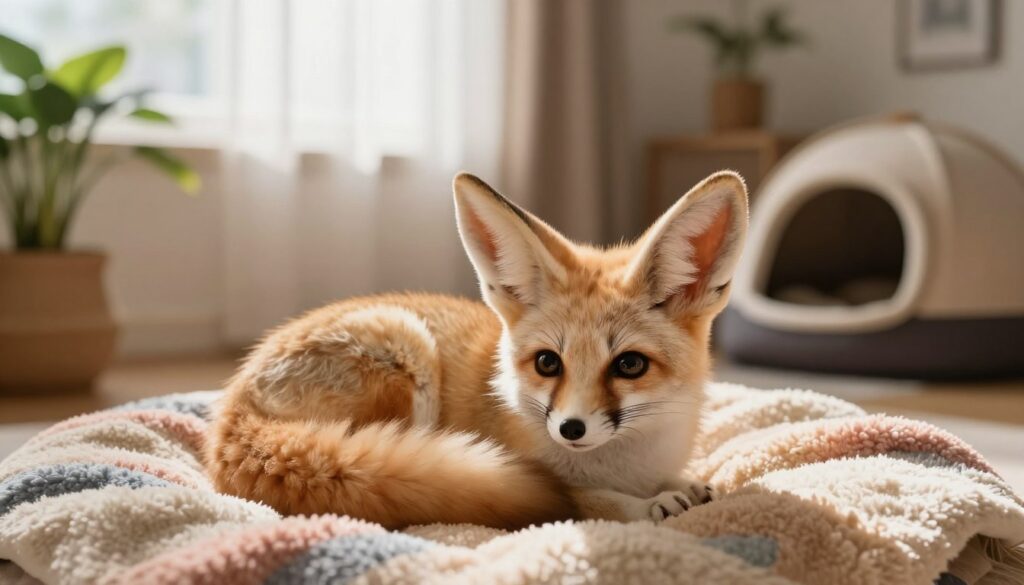
Have you ever wondered if the charm of a wild desert dweller could truly translate into a domestic companion? While these small, large-eared creatures are undeniably captivating, bringing one into your home is a significant commitment that requires more than just affection.
Prospective owners must recognize that these animals are not typical household companions. They possess high energy levels and specific biological needs that differ greatly from common domestic species. Thorough research is the foundation of responsible ownership.
Understanding the complexities of this unique animal is vital for long-term success. Whether you are considering a fennec fox as a pet or simply curious about their biology, this comprehensive fennec fox care guide provides the essential insights needed to ensure both you and your new friend thrive in a domestic environment.
Key Takeaways
- Exotic animals require specialized knowledge and significant lifestyle adjustments.
- Legal regulations for ownership vary drastically by state and local jurisdiction.
- High-maintenance care demands a dedicated budget for specialized nutrition and veterinary services.
- Proper enclosure design is critical to mimic their natural desert habitat.
- Responsible ownership involves prioritizing the animal’s welfare over personal desire.
Understanding the Reality of Keeping a Fennec Fox as a Pet
Many people are drawn to the fennec fox for its adorable appearance, but exotic pet ownership is a serious commitment that goes far beyond the standard care required for a dog or cat. While domestic animals have evolved over thousands of years to live alongside humans, fennec foxes remain wild animals at their core. This fundamental difference means that their needs, behaviors, and social requirements are entirely unique.
Prospective owners must recognize that bringing a fennec fox into a home is a significant lifestyle adjustment. These animals are not simply “small dogs” with large ears; they are highly active, nocturnal creatures with intense digging instincts. Understanding these wild traits is the first step toward responsible stewardship.
The following table highlights the primary differences between typical domestic pets and the specialized requirements of a fennec fox. This comparison helps potential owners visualize the daily reality of managing such a unique animal.
| Feature | Domestic Dog | Fennec Fox |
|---|---|---|
| Activity Cycle | Diurnal (Daytime) | Nocturnal (Nighttime) |
| Social Needs | Pack-oriented/Dependent | Independent/Wild-natured |
| Training | Highly Trainable | Limited/Instinct-driven |
| Environment | Indoor/Outdoor | Specialized Enclosure |
Ultimately, successful exotic pet ownership requires a shift in perspective. You are not just adding a pet to your family; you are creating a specialized environment that respects the animal’s natural heritage. By preparing for these challenges, you ensure a safer and more fulfilling experience for both you and your fox.
Navigating State and Local Legality for Exotic Pets
Legal compliance serves as the foundation for responsible exotic pet ownership in the United States. Prospective owners must recognize that fennec fox legality is not uniform across the country. Failing to research these regulations can lead to severe consequences, including the confiscation of your animal.
Federal Regulations and the Animal Welfare Act
At the federal level, the Animal Welfare Act (AWA) establishes basic standards for the care and treatment of certain animals. While the AWA primarily regulates commercial breeders and dealers, it does not explicitly ban private ownership of fennec foxes. However, federal oversight ensures that any interstate transport or commercial sale meets specific humane requirements.
“Responsible ownership begins with a thorough understanding of the legal framework governing exotic species in your specific jurisdiction.”
State-by-State Ownership Restrictions
The most significant hurdles regarding fennec fox legality often exist at the state level. Some states classify these foxes as domestic animals, while others categorize them as restricted wildlife or prohibited exotic species. You must consult your state’s Department of Fish and Wildlife to confirm the current status of ownership.
State laws are subject to change, and what is permitted today may face new restrictions tomorrow. Always verify the most recent statutes before making any financial commitments to a breeder. Relying on outdated information is a common mistake that leads to legal trouble.
Permitting Processes and Local Zoning Laws
Even if your state allows ownership, local municipal ordinances and zoning laws may impose additional barriers. Many cities or counties require specific permits or proof of specialized housing before granting approval. It is essential to check with your local animal control office to ensure you remain in full compliance.
| Legal Level | Primary Focus | Action Required |
|---|---|---|
| Federal | Commercial Trade | Verify USDA licensing |
| State | Species Classification | Check wildlife statutes |
| Local | Zoning & Permits | Contact city clerk |
Understanding fennec fox legality requires a proactive approach to research. By securing the necessary permits and adhering to local ordinances, you protect both your pet and your household. Always prioritize transparency with local authorities to ensure a smooth and legal transition for your new companion.
Initial Financial Investment and Ongoing Costs
Financial planning is a cornerstone of responsible exotic pet ownership, especially for unique animals like the fennec fox. Prospective owners must carefully evaluate the total fennec fox cost before bringing one into their home to ensure long-term stability. This commitment involves both immediate capital and consistent monthly expenditures.
Purchase Price from Reputable Breeders
Acquiring a fennec fox is a significant investment that reflects the rarity and specialized care required for these animals. A reputable fennec fox price typically ranges from $2,500 to $4,000 depending on the breeder’s reputation and the animal’s lineage. It is vital to prioritize ethical breeders who provide health guarantees and proper socialization.
Essential Startup Supplies and Equipment
Beyond the initial purchase, you must prepare your home with high-quality gear designed for active, burrowing animals. Secure housing is the most critical expense, as these foxes are expert escape artists. You should budget for the following essential items:
- Custom-built, escape-proof enclosures with secure locking mechanisms.
- High-quality, durable bedding and digging substrates.
- Specialized enrichment toys to satisfy their natural curiosity.
- Climate control equipment to maintain optimal desert-like temperatures.
Monthly Budgeting for Food and Veterinary Care
The ongoing fennec fox cost includes specialized dietary needs and routine medical checkups. Because these animals require a diet rich in high-quality proteins and specific vitamins, your monthly grocery bill will be higher than that of a standard house cat. Consistent veterinary care is also non-negotiable, as you must find a specialist familiar with exotic canids.
Owners should set aside a monthly emergency fund to cover unexpected health issues. Regular expenses often include:
- Premium commercial exotic pet diets and fresh protein sources.
- Monthly supplements and specialized treats.
- Annual wellness exams with an exotic animal veterinarian.
- Routine parasite prevention and necessary vaccinations.
Designing the Ideal Indoor and Outdoor Enclosure
Building the perfect sanctuary for your pet involves balancing natural instincts with modern safety standards. Proper fennec fox housing serves as the foundation for both physical health and psychological well-being. Because these animals are naturally active, their living space must be carefully planned to accommodate their high energy levels.
Space Requirements for Active Foxes
Fennec foxes are incredibly agile and require significant room to run, jump, and explore. A cramped environment often leads to stress and behavioral issues, so prioritize horizontal floor space over vertical height. Providing a large, open area allows them to engage in their natural pacing and hunting behaviors throughout the day.
If you choose to keep your fox indoors, a dedicated room or a very large, custom-built playpen is necessary. Outdoor enclosures should be even more expansive to allow for natural exploration. Always ensure the layout includes multiple levels or platforms to keep the animal mentally engaged.
Security Measures to Prevent Escapes
These small canids are master diggers and climbers, making a secure fennec fox enclosure a top priority. You must bury fencing at least two feet deep into the ground to prevent tunneling. Additionally, ensure that all latches are heavy-duty and lockable, as these clever animals can easily manipulate simple fasteners.
Use high-quality, chew-resistant materials like galvanized steel mesh for all walls and ceilings. Never rely on standard chicken wire, as it is too flimsy to withstand their sharp teeth and claws. A roof is mandatory for outdoor setups to prevent the fox from climbing out or predators from getting in.
Temperature Control and Environmental Enrichment
As desert-dwelling creatures, these foxes are highly sensitive to extreme cold and damp conditions. Your fennec fox housing must include a climate-controlled area where the temperature remains stable year-round. Supplemental heating, such as ceramic heat emitters or thermal pads, is often required during winter months.
Enrichment is just as vital as physical security to keep your pet happy. Incorporate sand pits for digging, tunnels for hiding, and puzzle toys that mimic foraging tasks. By creating a dynamic environment, you ensure your fox remains physically fit and mentally stimulated in its new home.
Nutritional Requirements and Dietary Planning
Proper fennec fox nutrition requires a careful balance of specific nutrients to mimic their natural desert diet. Unlike standard domestic dogs, these small canids have highly specialized metabolic needs that must be met to prevent health complications. Providing a diverse and nutrient-dense menu is the most effective way to support their high energy levels and overall longevity.
Commercial Exotic Pet Diets
Many owners rely on high-quality commercial diets specifically formulated for exotic canids or insectivores. These products often serve as a reliable base for a balanced fennec fox diet, ensuring that essential vitamins and minerals are present in every meal. It is crucial to select brands that prioritize animal-based proteins over grain fillers.
Incorporating Fresh Proteins and Vegetables
While commercial kibble provides a foundation, fresh food is vital for enrichment and health. You should supplement their daily intake with lean proteins such as cooked chicken, turkey, or high-quality insects like mealworms and crickets. Adding small portions of fresh vegetables, such as leafy greens or carrots, provides necessary fiber and hydration.
- Lean Proteins: Cooked poultry or insects provide essential amino acids.
- Fresh Produce: Small amounts of vegetables offer vital micronutrients.
- Hydration: Always ensure access to clean, fresh water at all times.
Foods to Avoid and Potential Toxicity Risks
Certain common household foods can be extremely dangerous to your pet. You must strictly avoid items like chocolate, onions, garlic, grapes, and raisins, as these can cause severe organ damage. Always consult with an exotic animal veterinarian before introducing new human foods into their routine.
| Food Category | Recommended | Avoid |
|---|---|---|
| Proteins | Cooked Chicken/Insects | Raw/Seasoned Meat |
| Vegetables | Leafy Greens/Carrots | Onions/Garlic |
| Fruits | Small Berry Portions | Grapes/Raisins |
| Treats | Freeze-dried snacks | Chocolate/Caffeine |
Managing Fennec Fox Behavior and Temperament
Managing a fennec fox requires deep insight into their wild instincts and specific behavioral needs. These small canids possess a unique fennec fox behavior profile that differs significantly from domesticated dogs or cats. Understanding their natural temperament is the first step toward building a successful, long-term relationship with your exotic companion.

Understanding Nocturnal Activity Patterns
Fennec foxes are naturally nocturnal, meaning they are most active during the night. This fennec fox behavior can be challenging for owners who prefer a pet that follows a standard human sleep schedule. You must prepare for their peak activity hours, which often occur when you are trying to rest.
To manage this, consider the following strategies:
- Provide quiet, engaging toys that do not make excessive noise during the night.
- Ensure their enclosure is located in a space where their nighttime movement will not disrupt your sleep.
- Adjust your own interaction schedule to align with their natural waking hours during the early evening.
Socialization Techniques for Bonding
Developing a positive fennec fox temperament requires patience and consistent effort. Early and frequent fennec fox socialization is the key to ensuring your fox remains comfortable with human interaction. Without proper exposure to new sights, sounds, and people, these animals can become fearful or defensive.
Focus on these bonding techniques to build trust:
- Spend time sitting quietly near their enclosure to let them get used to your presence.
- Offer high-value treats by hand to create a positive association with your scent and touch.
- Use a calm, soft voice when speaking to them to avoid triggering their natural flight response.
Handling High-Energy Play and Digging Instincts
Even in a domestic setting, these foxes retain their wild drive to explore and excavate. Their high-energy nature means they require significant mental and physical stimulation to prevent destructive habits. If they lack an outlet for their energy, they may resort to digging in carpets or chewing on furniture.
You can manage these instincts by providing appropriate alternatives:
- Create a dedicated “dig box” filled with safe materials like sand or shredded paper.
- Incorporate puzzle feeders that require the fox to work for their food, mimicking natural foraging.
- Schedule daily play sessions that allow them to run and jump in a secure, supervised area.
Veterinary Care and Specialized Medical Needs
Securing professional medical support is the most vital step in responsible fennec fox ownership. These small canids possess unique physiological traits that differ significantly from common household pets like dogs or cats. Prioritizing fennec fox health from the very first day ensures that your companion receives the specialized attention required for a long, vibrant life.
Finding an Exotic Animal Veterinarian
Not every clinic is equipped to treat non-traditional pets. You must locate a qualified exotic animal veterinarian who has specific experience with small canids or desert-dwelling species. It is highly recommended to establish this relationship before you bring your fox home to avoid emergency delays.
When interviewing potential clinics, ask about their experience with anesthesia protocols and blood work for small mammals. A knowledgeable professional will understand the specific metabolic needs of these animals. Having a trusted expert on speed dial provides peace of mind for any unexpected health concerns.
Routine Vaccinations and Parasite Prevention
Just like domestic dogs, these foxes require a structured medical schedule to prevent common diseases. Your veterinarian will likely recommend a vaccination protocol that protects against rabies and distemper, which are significant risks for small canids. Consistency is key when managing these preventative measures.
Parasite control is equally important, especially for animals that spend time in outdoor enclosures. Regular screenings for internal worms and external pests like mites or fleas are essential. Your vet can provide safe, weight-appropriate treatments that do not overwhelm the fox’s sensitive system.
Recognizing Signs of Illness in Small Canids
Foxes are masters at masking discomfort, a survival instinct inherited from their wild ancestors. Owners must remain vigilant for subtle changes in behavior, appetite, or activity levels. If your pet suddenly becomes lethargic or stops eating, it is a critical indicator that immediate medical intervention is necessary.
The following table outlines key health indicators to monitor during your daily interactions:
| Health Category | Normal Behavior | Warning Sign |
|---|---|---|
| Appetite | Consistent daily intake | Refusal of favorite treats |
| Activity | High energy and play | Hiding or unusual lethargy |
| Grooming | Clean, soft fur | Matted or patchy coat |
| Vocalization | Normal chirps and barks | Excessive, pained crying |
By maintaining a proactive approach to medical care, you safeguard your pet against preventable issues. Regular check-ups allow you to catch potential problems before they escalate into serious conditions. Your dedication to these medical standards is the foundation of a healthy, happy life for your fox.
Hygiene and Sanitation Practices
Proper sanitation is the cornerstone of responsible ownership for these small canids. Maintaining high standards of fennec fox hygiene not only protects the animal from illness but also ensures a pleasant living environment for the entire household. Consistent habits are essential for long-term success.
Litter Box Training Challenges
Training a fox to use a litter box requires significant patience and a deep understanding of their natural instincts. While some individuals adapt quickly, others may struggle due to their innate desire to mark territory. Consistency is your best tool when establishing these boundaries.
Owners should use high-sided, shallow boxes filled with paper-based litter to prevent tracking. It is helpful to place the box in a corner where the fox naturally prefers to eliminate. Always reward successful use with positive reinforcement to encourage the desired behavior.
Cleaning Schedules for Enclosures
A structured cleaning routine is necessary to prevent the buildup of bacteria and ammonia. Daily spot-cleaning of the enclosure is mandatory to remove waste and soiled bedding. This simple habit significantly improves the overall air quality in your home.
Deep cleaning should occur at least once a week. During this time, remove all bedding, scrub the surfaces with a pet-safe disinfectant, and allow the area to dry completely. Regular maintenance prevents the accumulation of grime and keeps your fox comfortable.
Managing Odor and Grooming Needs
Fennec foxes possess a unique, musky scent that is part of their natural biology. While you cannot eliminate this odor entirely, proper ventilation and frequent cleaning of the enclosure help keep it manageable. Avoid using harsh chemical cleaners, as these can irritate the sensitive respiratory systems of small foxes.
Regarding grooming, these animals are generally self-cleaning and do not require frequent baths. In fact, bathing can strip their coat of essential oils. Instead, focus on providing a clean environment and occasional brushing to remove loose fur, which supports better fennec fox hygiene and reduces shedding in your living space.
Safety Considerations for Households with Other Pets
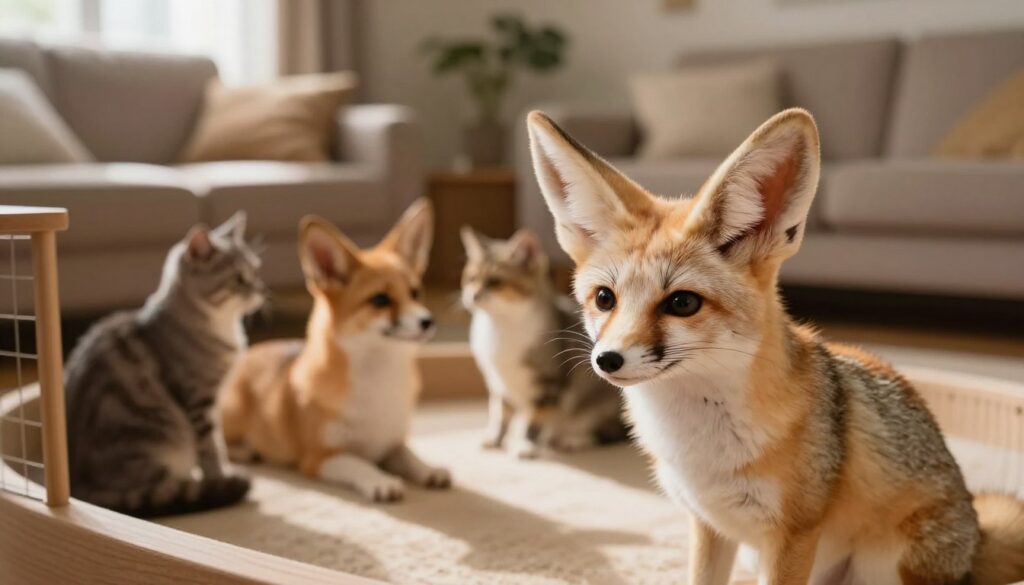
Maintaining fennec fox safety is the most critical priority when you already share your home with other domestic animals. Because these foxes are small and highly active, they can easily trigger the natural predatory instincts of larger pets. Responsible ownership requires a proactive approach to prevent accidents before they occur.
Interactions with Domestic Dogs and Cats
Domestic dogs and cats often view small, fast-moving animals as prey. Even a friendly family dog may accidentally injure a fennec fox during high-energy play. It is vital to recognize that feline and canine instincts are difficult to suppress, regardless of their previous training.
Most experts recommend keeping these species strictly separated. A fennec fox is fragile, and a single bite or rough swat can lead to severe injury or death. Prioritizing fennec fox safety means accepting that full integration is rarely a safe or realistic goal.
Risk Assessment for Small Household Animals
You must also evaluate the risks posed to other small animals, such as hamsters, birds, or guinea pigs. A fennec fox is a natural hunter with a strong foraging drive. They may perceive smaller household pets as food, leading to dangerous confrontations if they are not kept in secure, separate enclosures.
Always assess the temperament of your existing pets before introducing a new animal. If your current pets show signs of high prey drive, the risk of keeping a fox in the same environment increases significantly. Secure separation remains the most effective way to ensure the well-being of all your companions.
Supervision Protocols During Socialization
If you choose to allow brief, controlled interactions, you must follow strict supervision protocols. Never leave a fennec fox unattended with other pets, even for a moment. Use physical barriers like baby gates or crates to maintain a buffer zone between animals.
Observe body language closely for signs of stress or aggression. If any animal displays signs of fear or predatory focus, end the interaction immediately. Consistent, calm, and monitored environments are essential to minimize the risks associated with multi-pet households.
| Pet Type | Compatibility Level | Risk Factor | Supervision Needed |
|---|---|---|---|
| Large Dogs | Low | High | Constant |
| Domestic Cats | Low | High | Constant |
| Small Rodents | Very Low | Extreme | Total Separation |
Training and Mental Stimulation Strategies
Training a fennec fox is less about traditional obedience and more about building a bridge of trust through consistent mental stimulation. These intelligent creatures possess high energy levels that, if left unchanneled, can lead to destructive behaviors within the home. Implementing a structured approach to fennec fox training ensures that your pet remains mentally sharp and emotionally balanced.
Positive Reinforcement Techniques
The most effective way to encourage desired behaviors is through positive reinforcement. Because these animals are naturally skittish, punishment or harsh correction will only damage the bond you have worked hard to build. Instead, offer high-value treats or verbal praise immediately when your fox displays calm or cooperative behavior.
Consistency is the key to success. Keep training sessions short, lasting no more than five to ten minutes, to prevent your fox from becoming overwhelmed or disinterested. By rewarding small steps, you create a positive association with human interaction and learning.
Puzzle Feeders and Foraging Activities
In the wild, these foxes spend a significant portion of their time hunting and scavenging for food. You can mimic these natural instincts by utilizing puzzle feeders and hidden treat stations throughout their enclosure. This form of fennec fox training keeps their minds active and prevents the boredom that often leads to digging or excessive vocalization.
- Use treat-dispensing balls that require the fox to roll them to release food.
- Hide small pieces of protein in various corners of the enclosure to encourage foraging.
- Rotate toys frequently to maintain interest and provide new sensory experiences.
The Importance of Daily Interaction
Daily interaction is a fundamental requirement for the psychological health of these active animals. Spending time playing, grooming, or simply sitting near your fox helps solidify your role as a trusted companion. Without this regular engagement, a fennec fox may become withdrawn or develop stress-related health issues.
| Activity Type | Primary Benefit | Frequency |
|---|---|---|
| Foraging Games | Mental Stimulation | Daily |
| Target Training | Bonding & Focus | 3x Weekly |
| Social Play | Physical Exercise | Daily |
| Puzzle Feeders | Problem Solving | Every Meal |
Ultimately, your commitment to fennec fox training and enrichment will define the quality of life for your pet. By prioritizing these strategies, you create a stimulating environment that honors their wild heritage while fostering a deep, lasting connection.
Common Challenges and Misconceptions
Prospective owners often encounter several fennec fox misconceptions that can lead to unrealistic expectations about their behavior. While these animals appear charming in online videos, they remain wild creatures at heart. Understanding their true nature is the first step toward responsible ownership.
The Myth of the Domesticated Fox
A primary error many people make is assuming that fennec foxes are domesticated like dogs or cats. Domestication is a process that takes thousands of years of selective breeding to alter temperament and behavior. Even when raised by humans from birth, these foxes retain their wild instincts and unpredictable nature.
They do not possess the same desire to please their owners as a domesticated canine. Instead, they often act based on survival instincts, curiosity, and high-energy drives. Recognizing this distinction is vital for anyone considering them as pets.
Dealing with Vocalization and Noise Levels
Potential owners should be prepared for a variety of vocalizations that differ from standard pet sounds. Fennec foxes are naturally expressive and use a range of chirps, barks, and high-pitched screams to communicate. These sounds are most frequent during their active hours, which often occur at night.
Managing these noise levels requires patience and a dedicated space where the animal can express itself without disturbing the household. It is not possible to train a fox to remain silent, as vocalization is a core part of their social interaction. Prospective owners must evaluate their living situation to ensure that such noise is acceptable.
The Commitment of a Long-Term Exotic Pet
The fennec fox lifespan is another critical factor that requires serious consideration before adoption. These animals can live for over a decade in captivity, often reaching 12 to 14 years with proper care. This represents a significant, long-term commitment that spans well over a decade of your life.
Providing a stable, lifelong home means being prepared for changing circumstances, including moves, career shifts, or family changes. Because they are exotic animals, finding specialized care and housing for them throughout their entire life is a substantial responsibility. Only those ready to dedicate years of consistent, specialized attention should pursue this path.
Conclusion
Bringing a fennec fox into your home requires a profound shift in lifestyle and priorities. These unique animals demand more than just basic care; they require a dedicated partner who understands their complex biological needs. Success in this endeavor hinges on your ability to balance legal requirements with the daily realities of exotic pet ownership.
Prospective owners must view this responsibility as a long-term journey of adaptation. You will need to refine your environment and routines as your fox grows and matures. Prioritizing the welfare of the animal ensures that both the owner and the pet thrive in a domestic setting.
Take time to evaluate your personal resources and commitment levels before moving forward. True stewardship involves constant learning and a willingness to put the needs of the fox above personal convenience. By focusing on ethical practices and specialized care, you create a stable foundation for a rewarding relationship with these fascinating creatures.
FAQ
Is it legal to own a fennec fox as a pet in the United States?
What is the estimated initial and ongoing financial commitment for a fennec fox?
FAQ
Is it legal to own a fennec fox as a pet in the United States?
Legality varies significantly by jurisdiction. While the Animal Welfare Act provides federal oversight for exotic animals, state-level statutes and local municipal zoning laws dictate individual ownership rights. It is mandatory for prospective owners to verify regulations with their state’s fish and wildlife department and ensure any breeder holds a valid USDA license before proceeding with an acquisition.
What is the estimated initial and ongoing financial commitment for a fennec fox?
Prospective owners should prepare for a substantial investment. The initial purchase price from reputable breeders typically ranges from ,500 to ,000. Beyond the purchase, you must budget for high-quality specialized enclosures, which can cost upwards of
FAQ
Is it legal to own a fennec fox as a pet in the United States?
Legality varies significantly by jurisdiction. While the Animal Welfare Act provides federal oversight for exotic animals, state-level statutes and local municipal zoning laws dictate individual ownership rights. It is mandatory for prospective owners to verify regulations with their state’s fish and wildlife department and ensure any breeder holds a valid USDA license before proceeding with an acquisition.
What is the estimated initial and ongoing financial commitment for a fennec fox?
Prospective owners should prepare for a substantial investment. The initial purchase price from reputable breeders typically ranges from $2,500 to $4,000. Beyond the purchase, you must budget for high-quality specialized enclosures, which can cost upwards of $1,500, alongside monthly expenses for exotic veterinary care, insurance through providers like Nationwide, and specialized nutritional programs.
Can fennec foxes be house-trained like domestic cats or dogs?
While fennec foxes can occasionally be litter box trained, it is rarely 100% effective. These animals retain strong wild instincts, including scent marking. Maintaining a sanitary environment requires a rigorous cleaning schedule and high-grade sanitation products to manage odors. Owners must view litter training as a supplemental tool rather than a guaranteed habit.
What are the primary dietary requirements for a healthy fennec fox?
A balanced diet is critical to prevent metabolic diseases. Owners should utilize a base of commercial exotic pet diets, such as those produced by Mazuri Exotic Animal Nutrition, supplemented with fresh proteins (like crickets or mealworms) and specific vegetables. It is vital to avoid toxic foods such as grapes, chocolate, or onions, which pose severe health risks to small canids.
How do fennec foxes interact with other household pets like dogs or cats?
Interactions must be managed with extreme caution. Because fennec foxes are small and possess high-energy predatory instincts, they can be viewed as prey by larger domestic dogs or as threats by cats. Strict supervision protocols and secure physical separation are often necessary to ensure the safety of all animals in a multi-pet household.
What type of enclosure is necessary to prevent escapes and ensure well-being?
A secure enclosure must account for the fennec fox’s extraordinary ability to climb and dig. The design should feature escape-proof fencing with an underground barrier or a solid floor to thwart digging instincts. Additionally, providing environmental enrichment, such as tunnels and multi-level platforms, is essential for their psychological health and activity requirements.
Are fennec foxes nocturnal, and how does this affect household noise levels?
Yes, fennec foxes are naturally nocturnal animals. This means they are most active during the night, often engaging in high-energy play and vocalization. Prospective owners should be prepared for significant noise levels during late hours, which can be a challenge for light sleepers or those living in close proximity to neighbors.
How do I find a veterinarian capable of treating a fennec fox?
Standard veterinary clinics often lack the specialized equipment and knowledge to treat exotic canids. You must locate a qualified exotic animal veterinarian who has experience with non-traditional species. Regular check-ups for routine vaccinations and parasite prevention are essential, as foxes are experts at masking signs of illness until a condition is advanced.
What are the best strategies for bonding and mental stimulation?
Success in bonding requires positive reinforcement techniques and daily interaction. To prevent destructive behaviors stemming from boredom, owners should implement puzzle feeders and foraging activities that mimic natural hunting behaviors. Consistent, gentle socialization is the key to building a trusting relationship with these intelligent animals.
,500, alongside monthly expenses for exotic veterinary care, insurance through providers like Nationwide, and specialized nutritional programs.
Can fennec foxes be house-trained like domestic cats or dogs?
While fennec foxes can occasionally be litter box trained, it is rarely 100% effective. These animals retain strong wild instincts, including scent marking. Maintaining a sanitary environment requires a rigorous cleaning schedule and high-grade sanitation products to manage odors. Owners must view litter training as a supplemental tool rather than a guaranteed habit.
What are the primary dietary requirements for a healthy fennec fox?
A balanced diet is critical to prevent metabolic diseases. Owners should utilize a base of commercial exotic pet diets, such as those produced by Mazuri Exotic Animal Nutrition, supplemented with fresh proteins (like crickets or mealworms) and specific vegetables. It is vital to avoid toxic foods such as grapes, chocolate, or onions, which pose severe health risks to small canids.
How do fennec foxes interact with other household pets like dogs or cats?
Interactions must be managed with extreme caution. Because fennec foxes are small and possess high-energy predatory instincts, they can be viewed as prey by larger domestic dogs or as threats by cats. Strict supervision protocols and secure physical separation are often necessary to ensure the safety of all animals in a multi-pet household.
What type of enclosure is necessary to prevent escapes and ensure well-being?
A secure enclosure must account for the fennec fox’s extraordinary ability to climb and dig. The design should feature escape-proof fencing with an underground barrier or a solid floor to thwart digging instincts. Additionally, providing environmental enrichment, such as tunnels and multi-level platforms, is essential for their psychological health and activity requirements.
Are fennec foxes nocturnal, and how does this affect household noise levels?
Yes, fennec foxes are naturally nocturnal animals. This means they are most active during the night, often engaging in high-energy play and vocalization. Prospective owners should be prepared for significant noise levels during late hours, which can be a challenge for light sleepers or those living in close proximity to neighbors.
How do I find a veterinarian capable of treating a fennec fox?
Standard veterinary clinics often lack the specialized equipment and knowledge to treat exotic canids. You must locate a qualified exotic animal veterinarian who has experience with non-traditional species. Regular check-ups for routine vaccinations and parasite prevention are essential, as foxes are experts at masking signs of illness until a condition is advanced.
What are the best strategies for bonding and mental stimulation?
Success in bonding requires positive reinforcement techniques and daily interaction. To prevent destructive behaviors stemming from boredom, owners should implement puzzle feeders and foraging activities that mimic natural hunting behaviors. Consistent, gentle socialization is the key to building a trusting relationship with these intelligent animals.