
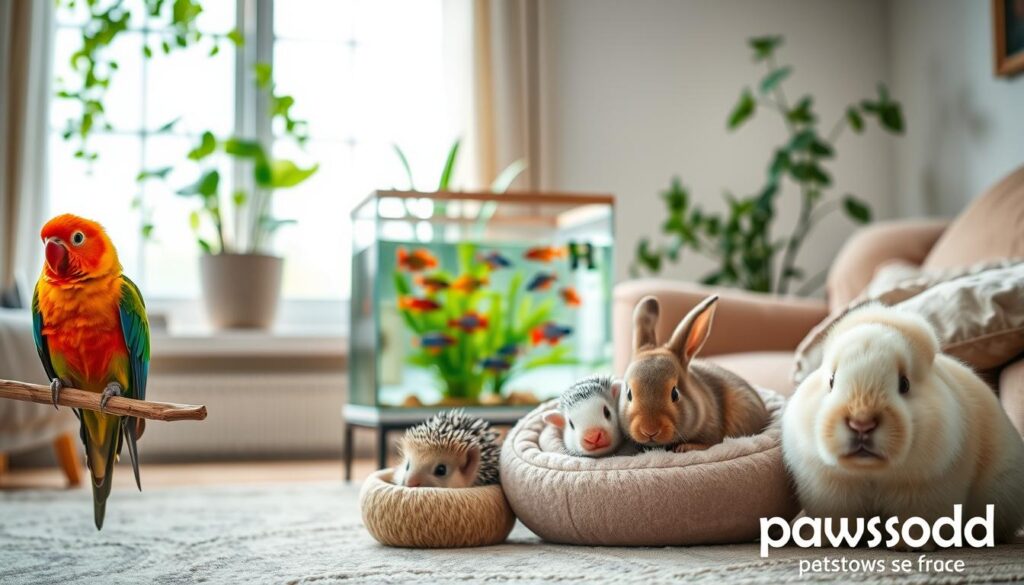
Have you ever wondered if your dream of sharing your home with a unique, non-traditional animal companion is actually achievable within the bounds of the law? The fascination with keeping rare species has grown significantly across the United States, yet many enthusiasts overlook the complex regulatory landscape that governs such ownership.
Navigating the world of legal exotic pets for beginners requires more than just passion; it demands a commitment to thorough research. Each state maintains its own specific statutes, which can vary drastically from one border to the next.
Responsible ownership begins with a deep understanding of both the legal and ethical implications of your choice. True stewardship involves ensuring that your domestic environment can meet the specialized needs of these creatures while remaining fully compliant with local ordinances.
This guide serves as a clear roadmap to help you navigate these complexities with confidence. By prioritizing professional foresight, you can build a rewarding relationship with your animal companion while respecting the safety and welfare standards of your community.
Key Takeaways
- Research state-specific statutes before acquiring any non-traditional animal.
- Prioritize the ethical welfare and specialized habitat needs of the species.
- Understand that local city or county ordinances may be stricter than state laws.
- Consult with professional veterinarians who specialize in non-domestic species.
- Commit to long-term care requirements to ensure a stable and healthy environment.
Understanding the Legal Landscape of Exotic Pet Ownership
Understanding the legal framework is the first step toward responsible exotic pet ownership in the United States. Prospective owners must navigate a complex system of rules designed to ensure public safety and animal welfare. Familiarizing yourself with exotic pet ownership laws early in the process prevents future complications and protects your animal from potential confiscation.
Differentiating Between Domestic and Exotic Classifications
The legal distinction between a domestic animal and an exotic one is often defined by the species’ history of human interaction. Domestic animals, such as dogs and cats, have been selectively bred over centuries to live alongside humans. In contrast, exotic animals are typically wild species that have not undergone this long-term domestication process.
Regulatory bodies often categorize animals based on their potential risk to the environment or human health. While a hamster is widely accepted as a domestic pet, a wild-caught reptile or a non-native mammal may fall under strict exotic classifications. Recognizing these differences is vital for identifying the specific legal requirements for exotic pets that apply to your chosen companion.
The Role of State and Municipal Ordinances
Navigating exotic pet regulations US requires looking beyond federal guidelines. While federal laws often focus on interstate commerce and endangered species, state and local governments hold the primary authority over private ownership. You may find that your state allows a specific species, but your city or county prohibits it entirely.
Municipal ordinances frequently impose stricter limitations than state-level statutes to address local safety concerns. Before acquiring an animal, you must verify local zoning laws and permit requirements in your specific jurisdiction. Compliance is not optional; failing to check these local rules can lead to significant fines or the forced relocation of your pet.
Assessing Your Readiness for an Exotic Pet
Before you commit to a unique companion, it is vital to assess whether your lifestyle truly supports their specialized needs. Choosing an exotic pet is a significant life event that demands more than just affection; it requires a realistic evaluation of your resources and daily habits.
Evaluating Time and Financial Commitments
Exotic animals often require a level of care that far exceeds that of traditional household pets. You must be prepared for both the immediate setup costs and the ongoing expenses associated with specialized nutrition and habitat maintenance.
Financial planning should account for the following essential categories:
- Specialized veterinary care: Routine checkups and emergency visits for exotic species are often more expensive than standard pet care.
- High-quality nutrition: Many species require specific supplements or fresh, organic produce that can increase your monthly grocery budget.
- Habitat upkeep: Replacing lighting, heating elements, and filtration systems is a recurring necessity.
“The true measure of a responsible owner is the ability to provide for an animal’s needs long after the initial excitement of acquisition has faded.”
Considering Long-Term Lifespan and Lifestyle Compatibility
Understanding exotic pet lifestyle compatibility is essential for a harmonious home environment. Some exotic species, such as certain tortoises or parrots, can live for several decades, making them a multi-generational commitment.
Before finalizing your decision, consider how your current career or travel schedule might impact the animal. If your lifestyle involves frequent travel or long hours away from home, you must have a reliable support system in place to ensure the animal receives consistent care and social interaction.
Ultimately, your readiness depends on your willingness to adapt your environment to suit the animal, rather than expecting the animal to fit into your existing routine. By prioritizing the welfare of the creature, you ensure a rewarding experience for both you and your new companion.
Top Legal Exotic Pets for Beginners
When you begin your journey into exotic pet ownership, choosing an exotic pet that fits your lifestyle is paramount. Many species offer unique companionship, but some are significantly better suited for those new to the hobby. Focusing on animals with manageable care requirements ensures a positive experience for both the owner and the pet.
Small Mammals: Hedgehogs and Chinchillas
Hedgehogs and chinchillas are popular choices for those seeking legal exotic pets for beginners. Hedgehogs are solitary, nocturnal creatures that require a quiet environment and a specialized diet. They are generally low-maintenance once their habitat is properly established.
Chinchillas, on the other hand, are highly active and social. They need plenty of space to jump and climb, making them excellent companions for owners who enjoy observing energetic behavior. Both species thrive when provided with consistent routines and clean, secure enclosures.
Reptiles: Bearded Dragons and Leopard Geckos
Reptiles are often considered the gold standard for beginner-friendly exotic animals due to their hardy nature. Bearded dragons are famous for their docile temperament and willingness to be handled. They are diurnal, meaning they are active during the day, which makes them great for interaction.
Leopard geckos are another fantastic option for those choosing an exotic pet. These lizards are relatively small, easy to house, and come in a variety of beautiful color patterns. They are generally calm and tolerate human interaction well, provided they are handled with care.
Birds: Budgies and Cockatiels
Birds offer a level of intelligence and social interaction that few other pets can match. Budgies, also known as parakeets, are small, vibrant, and highly vocal. They are perfect for owners who want a lively presence in their home without the space requirements of larger parrots.
Cockatiels are equally rewarding and are known for their gentle, affectionate personalities. These birds are among the most legal exotic pets for beginners because they are widely available and have well-documented care needs. With proper socialization, they can become deeply bonded members of the family.
Researching State and Local Regulations
Navigating the complex web of exotic pet ownership laws is the most important step for any prospective owner. Before you commit to a new companion, you must verify that your chosen species is permitted within your jurisdiction. Failure to do so can lead to legal complications, fines, or the heartbreaking surrender of your animal.
How to Check Your State Department of Fish and Wildlife
Each state maintains its own set of exotic pet regulations US, which can vary significantly from one border to the next. You should begin your research by visiting the official website of your state’s Department of Fish and Wildlife. These agencies provide the most accurate and up-to-date information regarding prohibited species and permit requirements.
When reviewing these documents, look for specific lists of restricted animals. Some states require a special permit or a registration process for animals that are considered non-traditional. Proactive research through these official channels ensures that you remain in full compliance with state statutes.
Navigating Homeowners Association and Rental Restrictions
Even if your state permits a specific animal, you must still consider private regulations. Many Homeowners Associations (HOAs) and landlords implement their own rules regarding exotic pets. These private entities often have the authority to restrict or ban certain species entirely, regardless of state law.
Always review your lease agreement or HOA bylaws thoroughly before finalizing your decision. Understanding these legal requirements for exotic pets at the local level prevents future conflicts with property managers or neighbors. Maintaining a stable home environment is essential for the long-term well-being of your pet.
| Regulatory Level | Primary Focus | Action Required |
|---|---|---|
| State Level | Wildlife Protection | Check Fish & Wildlife site |
| Municipal Level | Public Safety/Noise | Review City Ordinances |
| Private Level | Property Rules | Check Lease or HOA Bylaws |
Sourcing Your Pet Responsibly
When you decide to welcome an exotic pet into your life, the origin of that animal matters immensely. Engaging in responsible exotic pet sourcing ensures that you support ethical practices while securing a healthy companion. By choosing the right path, you contribute to the long-term sustainability of the exotic pet trade.
Identifying Reputable Breeders vs. Pet Stores
The process of exotic pet breeder selection often involves choosing between specialized hobbyists and commercial pet stores. Reputable breeders typically focus on a single species or a small group of related animals. They possess deep knowledge regarding the specific needs, temperament, and medical history of their stock.
In contrast, large pet stores often prioritize volume over individual animal welfare. While some stores maintain high standards, many lack the specialized expertise required to care for exotic species properly. Building a relationship with a dedicated breeder often provides you with a lifetime of support and guidance for your new pet.
The Importance of Captive-Bred Animals
Prioritizing captive-bred animals is essential for both the health of the pet and the environment. Animals born in captivity are generally better socialized and accustomed to human interaction. They are also less likely to carry the parasites or diseases often found in wild-caught specimens.
Wild-caught animals frequently suffer from extreme stress during transport and transition. This stress can lead to suppressed immune systems and long-term health complications. By selecting captive-bred individuals, you ensure a healthier start for your companion and discourage the depletion of wild populations.
Red Flags to Watch for During Selection
Even when working with professional breeders, you must remain vigilant. Watch for these common warning signs that indicate a facility may not be operating ethically:
- Lack of transparency regarding the animal’s medical history or lineage.
- Poor hygiene in the enclosures or visible signs of illness in other animals.
- Refusal to allow you to see the environment where the animals are kept.
- Overcrowded cages or a lack of species-specific enrichment tools.
| Feature | Reputable Breeder | Unethical Source |
|---|---|---|
| Medical Records | Detailed and provided | Non-existent or vague |
| Animal Origin | Captive-bred | Wild-caught or unknown |
| Facility Access | Open to inspection | Restricted or hidden |
| Expertise | High (Species-specific) | Low (Generalist) |
Preparing the Habitat and Environment
The foundation of a healthy life for any exotic animal is a well-designed and secure habitat. As part of a comprehensive exotic animal care guide, owners must prioritize the specific biological needs of their chosen species. A properly constructed home prevents stress and promotes natural behaviors, which are vital for long-term wellness.
Selecting the Right Enclosure Size and Material
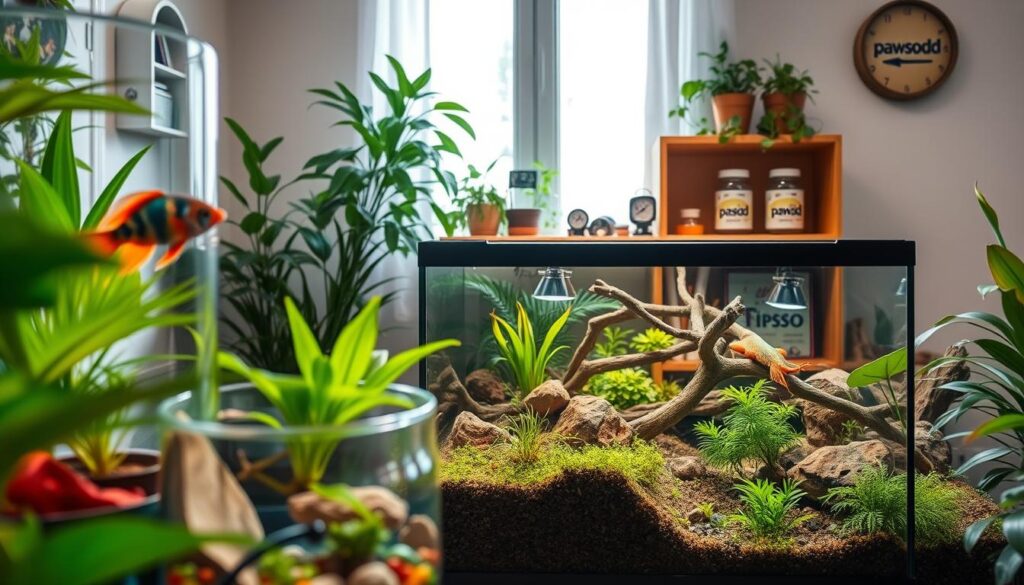
When planning your exotic pet habitat setup, size is the most critical factor. Animals require enough room to move, climb, or burrow according to their natural instincts. A cramped space often leads to muscle atrophy and behavioral issues that are difficult to reverse.
Material selection is equally important for safety and hygiene. Glass tanks are excellent for maintaining humidity, while wire cages provide necessary ventilation for small mammals. Always ensure the materials are non-toxic and easy to sanitize to prevent the buildup of harmful bacteria.
“The environment is the silent partner in your pet’s health; if the habitat is wrong, no amount of medical care can fully compensate for the stress it causes.”
Climate Control: Lighting, Heating, and Humidity
Understanding exotic pet enclosure requirements involves mastering the technical aspects of climate control. Most exotic species are ectothermic or have specific metabolic needs that rely on external heat sources. Without precise control, your pet may struggle with digestion or immune system function.
Lighting serves more than just a visual purpose. Many reptiles require specific UV spectrums to synthesize Vitamin D3, which is essential for bone health. Humidity levels must also be monitored closely, as improper moisture can lead to respiratory infections or skin conditions.
Essential Equipment for Temperature Regulation
To maintain a stable environment, you should invest in high-quality monitoring tools. Digital thermometers and hygrometers provide the accuracy needed to track fluctuations throughout the day. Below is a summary of common environmental needs for popular exotic pets:
| Pet Type | Primary Heat Source | Humidity Level | Lighting Needs |
|---|---|---|---|
| Bearded Dragon | Basking Lamp | Low (20-30%) | High UVB |
| Hedgehog | Ceramic Heat Emitter | Moderate (40-50%) | Ambient Light |
| Leopard Gecko | Under-Tank Heater | Low (30-40%) | Low/No UVB |
Consistency is the key to success when managing these variables. By utilizing thermostats and timers, you can automate the climate, ensuring your pet remains comfortable even when you are away. Always double-check your equipment to ensure it functions correctly before introducing your pet to their new home.
Establishing a Specialized Veterinary Care Plan
Unlike traditional household pets, exotic animals require specialized veterinary care to thrive. Because these species have unique physiological needs, standard clinics may not have the training or equipment to treat them effectively. Developing a comprehensive exotic animal care guide for your household starts with identifying the right medical partner before any health concerns arise.
Finding an Exotic Animal Veterinarian
Locating a qualified professional is a vital step in your journey as an owner. You should look for practitioners who hold certifications or have extensive experience with non-traditional species. Many owners find success by consulting the Association of Avian Veterinarians or the Association of Exotic Mammal Veterinarians to find board-certified experts in their region.
Do not wait for an emergency to search for a clinic. Building a relationship with a specialist ensures that your pet receives consistent, high-quality exotic pet veterinary care. A proactive approach allows you to verify that the facility is equipped with the necessary diagnostic tools for your specific animal.
Scheduling Initial Wellness Exams and Vaccinations
Once you have selected a clinic, schedule an initial wellness exam as soon as possible. This visit establishes a baseline for your pet’s health, allowing the veterinarian to document normal vitals and behavior. This early assessment is a cornerstone of effective exotic pet health management.
During this appointment, discuss species-specific vaccination protocols and preventative treatments. Regular check-ups help identify potential issues before they become serious medical emergencies. By prioritizing these visits, you demonstrate a commitment to the long-term vitality and happiness of your exotic companion.
Nutritional Requirements and Dietary Management
Exotic pet health management begins with a deep understanding of what your animal requires to thrive in a domestic environment. Many species possess highly specialized digestive systems that have evolved over thousands of years to process specific food sources. Providing the right nutrients is the most effective way to prevent chronic health issues and ensure your companion lives a long, vibrant life.
Understanding Species-Specific Diets
To maintain optimal wellness, owners must replicate the natural diet of their pet as closely as possible. Biological accuracy is the gold standard for feeding exotic animals, whether they are insectivores, herbivores, or omnivores. Relying on generic commercial mixes often leads to severe nutritional gaps that can compromise an animal’s immune system.
“Let food be thy medicine and medicine be thy food.”
Researching the specific dietary needs of your pet is a non-negotiable responsibility. For instance, a bearded dragon requires a precise balance of live insects and leafy greens, while a chinchilla needs a high-fiber diet consisting primarily of quality hay. Utilizing exotic pet nutrition tips from certified experts will help you create a balanced meal plan that supports your pet’s unique metabolic rate.
Sourcing High-Quality Feed and Supplements
Sourcing fresh, high-quality ingredients is vital for preventing common deficiencies. You should prioritize reputable suppliers who specialize in exotic animal husbandry rather than relying solely on big-box pet stores. Supplements, such as calcium or vitamin D3, are often necessary to bridge the gap between captive diets and natural foraging.
The following table outlines the essential components for maintaining a balanced diet across different exotic categories:
| Pet Category | Primary Food Source | Essential Supplements |
|---|---|---|
| Small Mammals | Timothy Hay/Pellets | Vitamin C (for Guinea Pigs) |
| Reptiles | Insects/Leafy Greens | Calcium/D3 Powder |
| Birds | Pelleted Mix/Vegetables | Mineral Blocks/Cuttlebone |
Consistency in your feeding schedule is just as important as the quality of the food itself. By monitoring your pet’s weight and energy levels, you can make informed adjustments to their diet. Proactive dietary management remains the most effective strategy for ensuring your exotic pet remains healthy and active for years to come.
Daily Maintenance and Enrichment Routines
Establishing a reliable rhythm for your pet ensures they thrive in captivity. A well-structured exotic pet maintenance routine serves as the backbone of responsible ownership. By focusing on consistent care, you create a stable environment that reduces stress and promotes natural behaviors.
Proper exotic pet habitat setup involves more than just the initial purchase of supplies. It requires a daily commitment to monitoring the health and cleanliness of the living space. When you prioritize these habits, you foster a stronger bond with your animal while ensuring their long-term vitality.
Sanitation Schedules for Enclosures
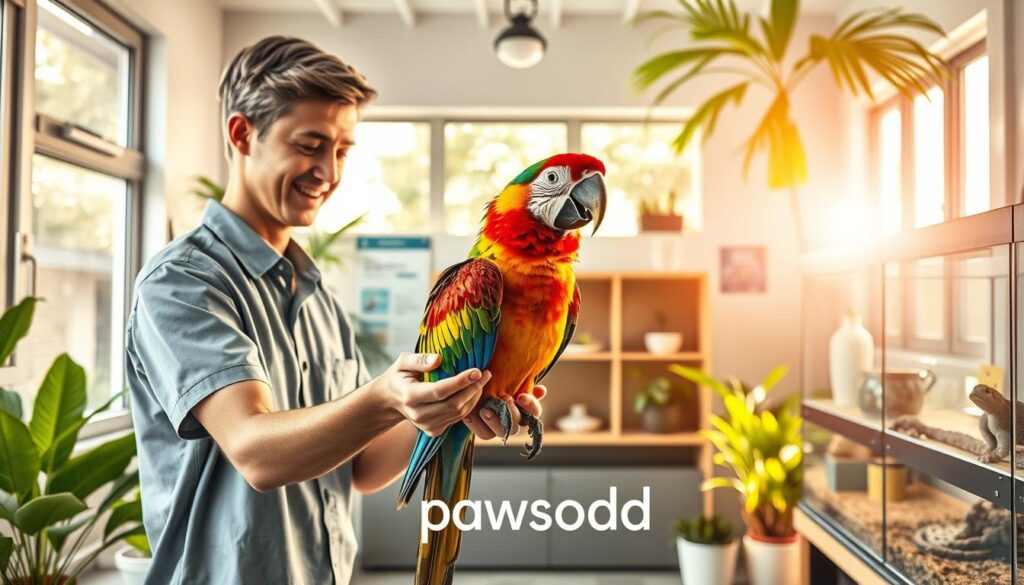
Maintaining a hygienic environment is critical to preventing the buildup of harmful bacteria and waste. You should implement a tiered cleaning schedule to meet specific exotic pet enclosure requirements. Daily tasks include spot-cleaning waste, removing uneaten food, and refreshing water bowls.
Weekly maintenance involves a more thorough inspection of the habitat. This includes wiping down surfaces with pet-safe disinfectants and checking for signs of wear on equipment. Consistency is key to preventing odors and keeping your pet healthy.
Providing Mental Stimulation and Physical Exercise
Exotic animals often possess high levels of intelligence that require regular engagement. Providing mental stimulation prevents boredom and destructive behaviors. You can achieve this by introducing puzzle feeders, climbing structures, or safe foraging opportunities that mimic their natural environment.
Physical exercise is equally important for maintaining a healthy weight and muscle tone. Ensure your pet has enough space to move, climb, or burrow as their species dictates. By rotating toys and changing the layout of the enclosure periodically, you keep your pet curious and active.
| Task Category | Frequency | Primary Goal |
|---|---|---|
| Spot Cleaning | Daily | Hygiene Maintenance |
| Water Refreshing | Daily | Hydration Safety |
| Enrichment Rotation | Weekly | Mental Engagement |
| Deep Sanitation | Monthly | Pathogen Control |
Managing Socialization and Behavioral Training
Mastering the art of exotic pet socialization transforms a simple animal companion into a trusted friend. This process is inherently gradual, requiring a deep commitment to patience and consistent daily interaction. By learning to interpret your pet’s unique communication style, you create a foundation of mutual respect that lasts a lifetime.
Building Trust Through Positive Reinforcement
Effective exotic pet behavioral training relies on rewarding desired actions rather than punishing mistakes. When your pet displays calm behavior or responds to a cue, offer a small, healthy treat or verbal praise immediately. This positive reinforcement helps the animal associate your presence with safety and rewards.
Consistency remains the most critical factor in your training routine. Keep sessions short, typically lasting no more than five to ten minutes, to prevent fatigue or frustration. Always end on a high note to ensure your pet feels confident and eager for the next session.
“The secret to training any animal is to become a student of their behavior, observing what motivates them and rewarding the small steps toward success.”
Recognizing Signs of Stress and Aggression
Understanding the subtle language of your pet is essential for preventing behavioral issues before they escalate. Many exotic animals exhibit specific physical cues when they feel overwhelmed or threatened. Recognizing these signs early allows you to adjust the environment and reduce the animal’s anxiety levels.
Common indicators of stress include rapid breathing, pacing, or attempts to hide from view. If you notice these behaviors, provide your pet with space and quiet time to recover. Aggression is often a defensive reaction to fear, so identifying the trigger is vital for long-term harmony.
| Behavioral Cue | Potential Meaning | Recommended Action |
|---|---|---|
| Freezing in place | Extreme fear or anxiety | Back away slowly and give space |
| Tail flicking or puffing | Irritation or warning | Stop current interaction immediately |
| Excessive grooming | Displaced stress response | Evaluate habitat for stressors |
| Vocalizing loudly | Distress or pain | Consult a veterinarian if persistent |
By maintaining a calm demeanor, you teach your pet that you are a source of stability. Always prioritize the animal’s comfort to ensure a safe and rewarding relationship. With time and dedication, you will find that your efforts in exotic pet behavioral training yield a deeply fulfilling bond.
Safety Protocols for Handling Exotic Animals
Maintaining a safe environment is the cornerstone of responsible exotic pet ownership. When you welcome a non-traditional animal into your home, you accept the responsibility of protecting both your household and the creature itself. Implementing consistent exotic pet safety protocols creates a foundation for a long, healthy relationship with your companion.
Preventing Zoonotic Disease Transmission
Zoonotic diseases are illnesses that can spread from animals to humans. Effective exotic pet zoonotic disease prevention relies primarily on rigorous hygiene practices. Always wash your hands thoroughly with soap and warm water immediately after touching your pet or cleaning its enclosure.
In some cases, you may need to use protective equipment to minimize risks. Wearing gloves during deep cleaning sessions or when handling animals that may carry pathogens is a smart, proactive measure. Keeping your pet’s living space clean and dry also prevents the growth of bacteria that could lead to health complications for everyone involved.
Proper Handling Techniques to Avoid Injury
Even the most docile animals can react unpredictably if they feel threatened or stressed. Learning the correct way to hold your pet is vital to prevent bites, scratches, or accidental drops. Always support the animal’s body weight fully and avoid sudden movements that might startle them.
If you are working with a new or nervous animal, use a towel or a specialized handling tool to provide a sense of security. Consistency is key; by using the same gentle techniques every time, you build trust and reduce the likelihood of defensive behavior. If an animal shows signs of agitation, such as hissing, puffing, or rapid breathing, it is best to give them space until they calm down.
| Pet Type | Primary Risk | Safety Measure |
|---|---|---|
| Small Mammals | Nips or Scratches | Use thick gloves for initial training |
| Reptiles | Salmonella Exposure | Strict handwashing after contact |
| Birds | Bites or Wing Damage | Support feet and wings gently |
| Amphibians | Skin Irritation | Moisten hands with dechlorinated water |
Conclusion
Owning an exotic animal requires a blend of patience, dedication, and ongoing education. This journey transforms from a simple hobby into a profound commitment to animal welfare and environmental stewardship.
Prospective owners who prioritize legal compliance and habitat quality set the stage for a thriving relationship. Your efforts in sourcing healthy animals from reputable breeders like those found at the Reptile Super Show or specialized avian sanctuaries create a stable foundation for success.
Stay proactive by monitoring updates from the Association of Zoos and Aquariums regarding best practices for captive care. Laws regarding exotic species shift frequently across different states. Keeping your knowledge current ensures your household remains a safe and compliant environment for your unique companion.
Engage with local enthusiast groups to share insights and stay informed about emerging veterinary standards. Your focus on providing mental stimulation and proper nutrition pays off through the longevity and vitality of your pet. Embrace the responsibility of this role to enjoy the deep bond that comes with caring for a fascinating, non-traditional animal.