
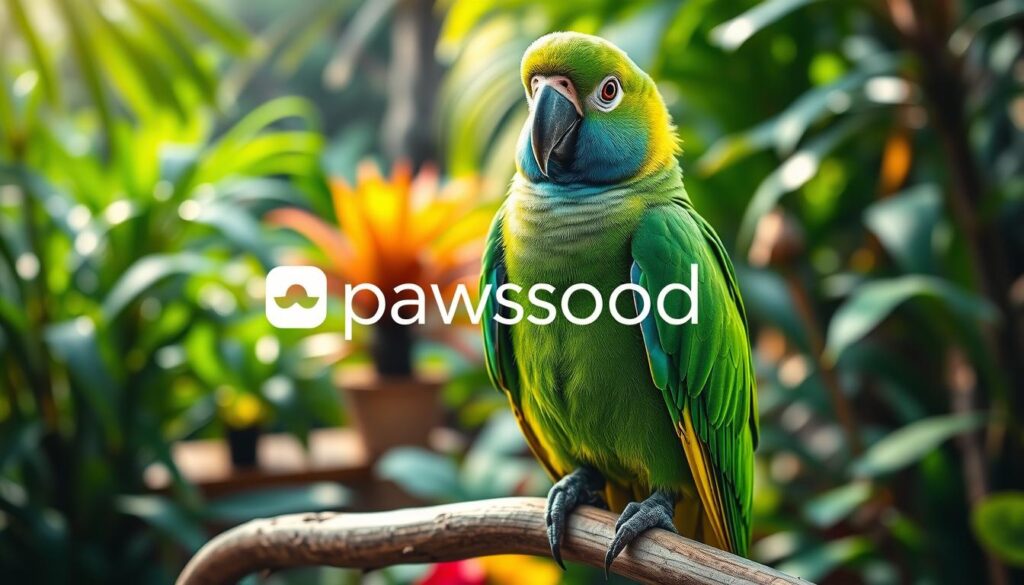
Have you ever wondered if your feathered companion is secretly listening to your daily conversations, waiting for the perfect moment to join in? Many bird enthusiasts are captivated by the intelligence of these vibrant creatures. Understanding the typical indian ringneck talk age is a common milestone for new owners eager to hear their pet mimic human speech.
The journey toward vocalization is a rewarding experience that requires both time and dedication. While every bird develops at its own pace, knowing what to expect helps set realistic goals for your training sessions. Success in this endeavor relies heavily on your ability to remain consistent and patient throughout the process.
By fostering a positive environment, you encourage your pet to express itself more freely. Remember that building a strong bond is the foundation for all successful communication. With the right approach, you will soon discover the joy of interacting with a vocal and expressive companion.
Key Takeaways
- Vocal mimicry in birds requires consistent daily practice.
- Every bird develops at a unique pace regardless of the average age.
- Patience is the most critical factor for successful training.
- Building a strong emotional bond encourages natural vocalization.
- Positive reinforcement techniques yield the best long-term results.
Understanding the Typical Indian Ringneck Talk Age
Understanding the indian ringneck talk age is a vital step for any bird enthusiast. While these intelligent parrots are renowned for their mimicry skills, they do not begin speaking the moment they arrive in your home. Most birds typically start attempting their first words between eight months and one year of age.
It is important to remember that every bird develops at its own unique pace. While some precocious individuals might surprise you with a clear word earlier, others may take a bit longer to find their confidence. Patience is the most important tool you can possess during these initial months of ownership.
Early exposure to human speech patterns significantly influences the bird’s eventual ability to mimic sounds. By talking to your pet consistently, you create a rich auditory environment that encourages vocal exploration. Setting clear expectations regarding the indian ringneck talk age helps owners avoid unnecessary frustration and fosters a more positive bond.
“Training a parrot is not a race; it is a journey of building trust and communication that unfolds at the bird’s own rhythm.”
To help you track your bird’s progress, consider the following developmental milestones often observed in young Indian Ringnecks:
| Developmental Phase | Typical Age Range | Expected Behavior |
|---|---|---|
| Early Acclimation | 3–6 Months | Observing and listening to household sounds. |
| Vocal Exploration | 6–8 Months | Experimenting with whistles and chirps. |
| Initial Speech Attempts | 8–12 Months | Clearer mimicry of common words. |
| Advanced Vocabulary | 12+ Months | Refining phrases and contextual usage. |
By maintaining a consistent routine, you provide the best foundation for your bird to thrive. Focus on creating a supportive atmosphere where your pet feels safe to express itself. With time and dedication, you will likely be rewarded with a talkative and engaging companion.
Biological Factors Influencing Speech Development
Understanding the biological foundations of your bird is essential for successful training. Unlike the passive observation required for a pet snake guide, training a parrot demands active cognitive engagement and a deep understanding of their developmental stages.
The capacity for speech in Indian Ringnecks is deeply rooted in their unique neurological growth. As these birds mature, their brains develop the complex pathways necessary to process and replicate human language patterns.
The Role of Age and Maturity
Physical maturity acts as a primary gatekeeper for vocal learning. Younger birds possess a high degree of neuroplasticity, which allows them to absorb sounds more readily than older, set-in-their-ways adults.
However, physical growth must be accompanied by emotional stability. A bird that feels secure in its environment is far more likely to experiment with new sounds. Key indicators of readiness include:
- Increased curiosity toward human speech patterns.
- Development of a stable, trusting bond with the owner.
- Consistent attempts at making varied, non-screeching vocalizations.
Gender Differences in Vocalization
Many owners wonder if sex influences the ability to talk. In the case of Indian Ringnecks, both males and females are highly capable of speech.
While some anecdotal evidence suggests males might be slightly more vocal, individual personality remains the most significant factor. A bird’s unique temperament often dictates its willingness to mimic sounds more than its biological sex.
Focusing on the individual bird rather than gender stereotypes will yield better results. By providing a stimulating environment, you encourage your bird to express its natural intelligence regardless of whether it is male or female.
Preparing Your Environment for Language Learning
Establishing a controlled setting is the foundation of successful vocal training. Unlike the low-maintenance environment described in a typical pet snake guide, a bird’s space must be optimized for active learning and social interaction. By curating the right atmosphere, you ensure that your Indian Ringneck remains attentive during your sessions.
Creating a Quiet and Focused Space
Birds are highly sensitive to their surroundings, meaning that a chaotic room will likely hinder their progress. You should designate a specific area in your home that is reserved solely for training. This helps the bird associate that particular location with focused learning rather than general play.
To maximize the effectiveness of your sessions, consider the following environmental factors:
- Consistent Lighting: Ensure the area is well-lit but free from harsh glares that might cause agitation.
- Comfortable Seating: Position yourself at eye level with your bird to foster a sense of security and trust.
- Minimal Visual Clutter: Remove unnecessary objects that might distract the bird from watching your mouth movements.
Reducing Background Noise and Distractions
Auditory distractions are the primary enemy of clear speech mimicry. If your bird is constantly hearing television programs, loud music, or other household chatter, it will struggle to isolate the specific words you are trying to teach. Eliminating competing sounds is essential for helping your bird focus on your voice.
Try to schedule your training during times when the house is naturally quiet. If you live in a busy household, consider using a white noise machine or simply closing doors to create a sound barrier. By carefully managing the acoustic environment, you provide your Indian Ringneck with the best possible opportunity to listen, process, and eventually repeat the phrases you provide.
Establishing a Consistent Training Routine
Unlike the passive observation often associated with the best pet snakes, training an Indian Ringneck demands active, daily engagement. Consistency serves as the fundamental pillar for any successful language development program. By adhering to a predictable schedule, you help your bird build the necessary neural pathways for long-term retention.
Setting Daily Practice Sessions
Creating a reliable rhythm in your bird’s life encourages a sense of security and readiness to learn. When you practice at the same time each day, your parrot begins to anticipate the interaction. This mental preparation is vital for maintaining focus during your sessions.
“Success is the sum of small efforts, repeated day in and day out.”
You should aim for a schedule that fits naturally into your lifestyle while remaining firm. Predictability allows the bird to transition from a relaxed state to an active learning mode more efficiently. Over time, this routine becomes a highlight of their day.
The Importance of Short and Frequent Intervals
Birds possess a limited attention span, making long, drawn-out training sessions counterproductive. It is far more effective to conduct several short, high-energy sessions throughout the day. These brief intervals prevent the bird from becoming bored or frustrated with the process.
Focus on keeping each session between five and ten minutes long. This targeted approach ensures that your bird remains engaged and enthusiastic about mimicking your voice. By stopping while the bird is still interested, you leave them eager for the next opportunity to interact.
Selecting the Right Words and Phrases
Choosing the perfect vocabulary for your Indian Ringneck is a foundational step in your training journey. This process is far more interactive than the care requirements for the best pet snakes, as it demands your active participation and vocal engagement. By selecting words that are easy to replicate, you set the stage for long-term success.
Starting with Simple Vocabulary
Begin your training by focusing on short, high-frequency words that contain clear vowel sounds. Indian Ringnecks often find it easier to mimic words that are distinct and repeated frequently throughout the day. Words like “hello,” “bird,” or “good” are excellent starting points because they are phonetically simple.
Avoid complex sentences or long phrases during the initial stages of learning. Consistency is key; using the same word in the same tone helps the bird recognize the sound pattern. Once your bird masters these basic sounds, you can gradually introduce more variety into their repertoire.
“The secret to avian speech is not just the sound itself, but the emotional connection and the clarity of the repetition provided by the owner.”
Using Contextual Association for Better Retention
Birds learn best when they can link a specific word to a tangible object or a routine action. For example, say “apple” every time you offer a slice of fruit, or “night-night” when you cover the cage for sleep. This contextual association transforms abstract sounds into meaningful communication tools for your pet.
This method encourages the bird to use the words appropriately rather than just mimicking sounds randomly. By creating these mental links, you enhance the bird’s cognitive engagement and retention. The following table highlights why active training for a parrot differs from the maintenance of other common pets.
| Feature | Indian Ringneck | Best Pet Snakes |
|---|---|---|
| Interaction Level | High (Verbal/Social) | Low (Observational) |
| Training Focus | Language & Bonding | Handling & Feeding |
| Daily Commitment | Active Engagement | Environmental Monitoring |
Techniques for Effective Verbal Training
Mastering the art of teaching your Indian Ringneck to speak requires a blend of patience and structured methodology. While some owners might research care tips for pet snakes to manage their exotic pets, training a bird requires a more interactive and reward-based approach. Consistency is the primary driver of success in this endeavor.
Repetition and Positive Reinforcement
The most effective way to encourage vocalization is through consistent repetition of simple words or phrases. You should aim to repeat the target word clearly and at a steady pace during your daily sessions. This helps the bird associate specific sounds with your presence and attention.
Positive reinforcement plays a vital role in shaping behavior. When your bird makes an attempt at a sound, even if it is not perfect, offer immediate verbal praise. Maintaining a calm and encouraging demeanor ensures the bird feels safe and motivated to continue practicing.
“Training a parrot is not about forcing a sound, but about creating an environment where the bird feels confident enough to mimic the sounds it hears most often.”
Using Treats and Rewards to Encourage Speech
High-value treats serve as a powerful incentive for your Indian Ringneck. When the bird successfully mimics a word or makes a clear vocal effort, provide a small, healthy treat immediately. This instant reward reinforces the connection between the action and the positive outcome.
It is important to keep training sessions short to prevent the bird from becoming bored or frustrated. Use the following table to understand how to structure your reward system effectively during these sessions.
| Training Stage | Reward Type | Frequency |
|---|---|---|
| Initial Attempt | Verbal Praise | Every time |
| Clear Sound | Small Treat | Every time |
| Consistent Word | Occasional Treat | Randomly |
By focusing on these structured techniques, you build a strong foundation for communication. Always remember that patience is your greatest tool throughout this process. With time, your bird will likely surprise you with its growing vocabulary.
Common Challenges in Teaching Your Bird to Talk
Much like how you might research care tips for pet snakes to ensure their well-being, bird owners must learn to troubleshoot training issues effectively. Even with the best intentions, you may encounter resistance or a sudden lack of interest from your bird during practice. Understanding these behavioral roadblocks is essential for maintaining a positive and productive learning environment.
Identifying Signs of Frustration or Boredom
Birds often communicate their feelings through subtle changes in body language. If your Indian Ringneck begins to fluff its feathers, pace on the perch, or turn its back to you, it is likely feeling bored or overwhelmed. These actions serve as clear indicators that the current session has lost its appeal.
You should also watch for signs of distraction, such as preening or looking around the room instead of focusing on your voice. When these behaviors appear, it is best to end the session immediately. Pushing through these moments can lead to negative associations with training, which may hinder future progress.
Overcoming Vocal Resistance
If your bird shows vocal resistance, do not feel discouraged. This is a common phase that many owners navigate by adjusting their strategy. Consistency remains important, but you must be willing to pivot your approach to keep the bird engaged.
- Shorten your training sessions to five minutes or less.
- Switch to a different word or phrase that might be more interesting.
- Ensure the environment is free from loud noises or visual stressors.
- Offer high-value rewards to reignite their motivation.
The following table outlines how to adjust your strategy based on the bird’s observed behavior during training sessions.
| Observed Behavior | Likely Cause | Recommended Action |
|---|---|---|
| Turning away | Boredom | Change the word |
| Pacing/Restlessness | Overstimulation | End the session |
| Feather fluffing | Frustration | Reduce session time |
| Quiet/Staring | Lack of interest | Use positive reinforcement |
Monitoring Progress and Adjusting Your Strategy
Much like the careful process of choosing a pet snake, training an Indian Ringneck requires patience and constant evaluation of the animal’s unique personality. Every bird learns at a different pace, and your ability to adapt will determine the overall success of your sessions. By staying observant, you can create a more effective learning environment.
Tracking Milestones in Speech Development
Maintaining a simple logbook is a highly effective way to monitor your bird’s growth. Documenting every new sound or word helps you visualize progress over time, which keeps your training sessions focused and rewarding.
Consider tracking the following elements in your daily notes:
- The specific date a new word or phrase was first attempted.
- The level of clarity achieved for each mastered term.
- The time of day when your bird is most vocal and receptive to learning.
- Any specific triggers or rewards that seem to accelerate the learning process.
When to Change Your Training Approach
Sometimes, a bird may show a clear lack of interest in a specific vocabulary set. If you notice your pet becoming distracted or frustrated, it is time to pivot your strategy rather than forcing the repetition. Flexibility is key to maintaining a positive relationship with your companion.
You should consider adjusting your methods if you observe the following signs:
- Consistent avoidance of the training area during practice times.
- A lack of vocal response after several weeks of consistent effort.
- Increased signs of agitation, such as feather plucking or pacing.
When these behaviors occur, try introducing new, more engaging sounds or changing the environment entirely. Tailoring your approach to match your bird’s individual preferences will yield much better results than sticking to a rigid, ineffective plan.
The Importance of Social Interaction and Bonding
Unlike the process of choosing a pet snake, which often requires minimal social interaction, your Indian Ringneck thrives on consistent emotional engagement. These intelligent birds view their owners as members of their flock. Consequently, the quality of your relationship serves as the primary catalyst for their desire to communicate.

Building Trust as a Foundation for Learning
A strong bond is the most critical factor in successful speech training. Birds are naturally cautious creatures that only mimic those they feel safe and comfortable with. When your parrot trusts you, they become more receptive to the sounds and words you introduce during your daily sessions.
You can foster this trust by respecting your bird’s boundaries and providing a consistent, calm environment. Patience is essential, as forcing a bird to interact before they are ready can lead to unnecessary stress. By prioritizing their emotional security, you create a stable foundation for all future learning.
Engaging Your Bird Through Play and Conversation
Treating your bird as a social companion rather than just a pet is vital for their development. You should engage in regular play and conversation throughout the day to keep their mind active and curious. This level of active social participation encourages the bird to view vocalization as a rewarding part of your shared life.
Try to incorporate talking into your routine activities, such as cleaning the cage or preparing meals. When you speak to your bird with enthusiasm, they are more likely to respond with interest. Consistent interaction transforms the training process from a chore into a joyful experience for both you and your feathered friend.
Safety Precautions During Training Sessions
Maintaining a safe atmosphere is just as critical for your bird as the care instructions found in a beginner’s guide to pet snakes. Prioritizing the physical and mental well-being of your Indian Ringneck ensures that the learning process remains sustainable and enjoyable for both of you.
Avoiding Stressful Training Environments
A calm environment serves as the foundation for effective communication. Loud noises, sudden movements, or the presence of other pets can trigger unnecessary anxiety in your bird, which hinders their ability to focus on new sounds.
- Ensure the room is free from high-traffic areas where people frequently walk by.
- Remove potential hazards like open windows, ceiling fans, or toxic household plants.
- Keep other pets in a separate room to prevent territorial stress or fear responses.
Recognizing When Your Bird Needs a Break
Even the most eager learners have limits. It is vital to observe your bird closely for subtle signs of fatigue or frustration to prevent them from developing a negative association with training.
If you notice your bird exhibiting the following behaviors, it is time to end the session early:
- Fluffing feathers repeatedly or showing signs of lethargy.
- Attempting to fly away or turning their back to you consistently.
- Excessive preening or biting at the cage bars out of agitation.
Always conclude your practice on a positive note, even if it means stopping sooner than planned. Patience is the most valuable tool in your training kit, as it builds the trust necessary for long-term success.
Advanced Tips for Expanding Your Ringneck Vocabulary
Once your Indian Ringneck has mastered basic vocabulary, you can begin to challenge its cognitive abilities with more complex linguistic structures. Moving beyond single words allows your bird to develop a more sophisticated form of communication. This transition requires patience and a structured approach to ensure the bird remains engaged without feeling overwhelmed.
While a beginner’s guide to pet snakes focuses on foundational care and habitat maintenance, advanced bird training shifts the focus toward cognitive development. You must ensure that your training sessions remain positive and stimulating. By introducing new elements gradually, you help your bird build confidence in its vocal capabilities.
Introducing Complex Phrases and Sentences
Start by linking two familiar words together to form simple phrases. For example, if your bird knows “hello” and “bird,” try combining them into “hello bird.” Consistency is the key to helping your pet recognize these new patterns.
Keep your sentences short and rhythmic to aid retention. Avoid introducing too many new phrases at once, as this can confuse the bird. Always observe your pet’s body language to ensure it is still enjoying the learning process.
Utilizing Audio Recordings and Mimicry
Audio recordings serve as an excellent tool for reinforcing specific phrases when you are not physically present. Play short, clear clips of the desired phrases during your bird’s quiet time. This method mimics natural social interaction and encourages the bird to practice mimicry in a low-pressure environment.
Ensure the volume is set to a comfortable level that does not cause stress. You can also use your own voice to record phrases, as your bird is already familiar with your tone. This personal connection often accelerates the learning curve significantly.
| Training Level | Primary Goal | Recommended Tool |
|---|---|---|
| Beginner | Word Recognition | Direct Interaction |
| Intermediate | Phrase Linking | Positive Reinforcement |
| Advanced | Complex Sentences | Audio Recordings |
Conclusion
Teaching an Indian Ringneck to speak requires a blend of patience, consistent practice, and genuine social bonding. This rewarding journey transforms your bird into a vocal companion that reflects the time you invest in its development.
Bird training remains a fluid, social process that differs significantly from the static requirements of feeding pet snakes. While owners often research housing pet snakes to ensure a stable environment, avian interaction demands active participation and daily engagement.
Diverse pet snake species require specific environmental controls, but your parrot thrives on human connection and verbal stimulation. You should prioritize building trust to create a foundation for successful language acquisition.
Applying these proven techniques helps you foster a deep bond with your bird. You gain valuable insights that go beyond basic pet snake care information by focusing on the unique personality of your feathered friend.
Start your training sessions today to unlock the full potential of your Indian Ringneck. Your dedication creates a lasting relationship built on clear communication and mutual respect.