
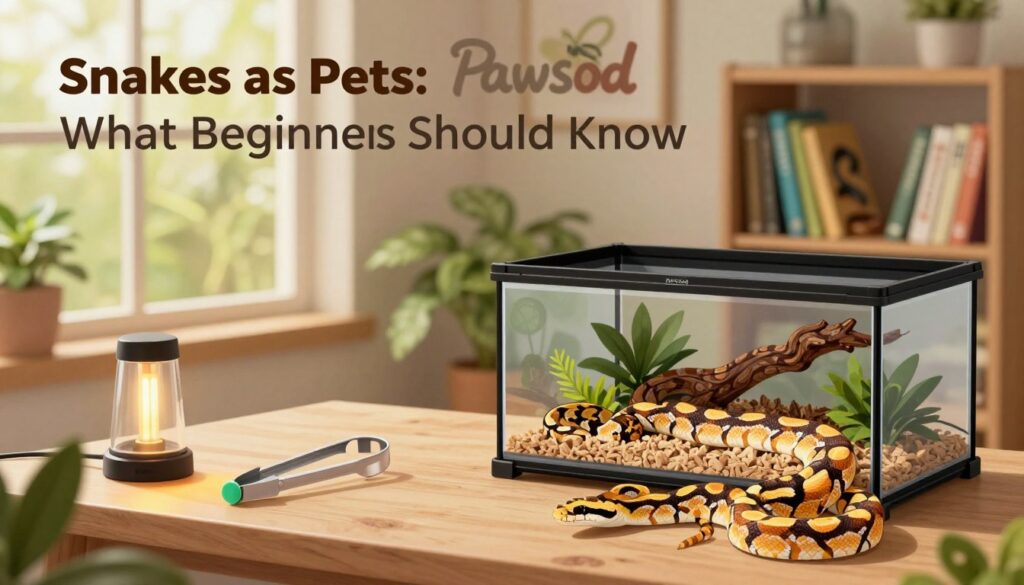
Have you ever wondered if a cold-blooded creature could truly become your most fascinating companion? While many people gravitate toward furry animals, these reptiles offer a unique, quiet, and rewarding experience for those willing to learn.
Bringing a reptile into your home requires more than just curiosity; it demands careful preparation and a commitment to understanding specific environmental needs. Unlike traditional animals, these creatures thrive when their habitat mimics their natural surroundings perfectly.
This pet snake guide serves as your foundational starting point for responsible herpetoculture. By mastering the basics of temperature, humidity, and nutrition, you ensure your new friend lives a long, healthy life. Proper research remains the most vital step before you welcome your first scaly companion.
Key Takeaways
- Reptiles provide a unique and rewarding companionship experience for dedicated owners.
- Success depends on thorough research and creating an ideal home environment.
- Maintaining specific temperature and humidity levels is essential for animal health.
- These animals are generally low-maintenance compared to traditional mammals.
- Responsible ownership begins with understanding the foundational needs of your reptile.
Understanding the Commitment of Snake Ownership
Bringing a snake into your home is a decision that requires careful thought and preparation. While these animals are often viewed as low-maintenance pets, they actually require consistent attention to their daily needs. Understanding these requirements early helps ensure that both the owner and the animal maintain a high quality of life.
Assessing Your Lifestyle and Space
Before you commit to a new reptile, you must evaluate your available living space. A snake enclosure needs to fit comfortably in your home while allowing for proper ventilation and easy access for cleaning. You should consider whether your current environment provides enough quiet and stability for a cold-blooded pet.
Beyond physical space, think about your daily schedule. Snakes require regular monitoring of their habitat temperatures and humidity levels to stay healthy. If your lifestyle involves frequent travel or long hours away from home, you must have a plan in place to ensure your pet receives the care it needs.
The Long-Term Nature of Reptile Care
Many prospective owners are surprised to learn that common pet snakes can live for fifteen years or more. This is a significant long-term commitment that spans over a decade of your life. You should be prepared to provide stable housing and medical care for the entire duration of the animal’s life.
Planning for the future is essential when bringing a reptile into your family. Unlike some small pets with shorter lifespans, a snake will be a constant companion for many years. Reviewing the following table can help you understand the relative commitment levels required for different types of pets.
| Pet Type | Average Lifespan | Daily Effort | Space Needs |
|---|---|---|---|
| Small Rodent | 2–3 Years | High | Low |
| Pet Snake | 10–20 Years | Moderate | Moderate |
| Large Dog | 10–13 Years | Very High | High |
Selecting the Best Pet Snakes for Beginners
When you begin the process of choosing a pet snake, it is essential to focus on species known for their temperament and ease of care. Finding the right reptile companion is a journey that balances your personal lifestyle with the unique needs of the animal. By focusing on well-documented, beginner-friendly options, you can ensure a positive experience for both you and your new pet.
Why Corn Snakes are Ideal First Pets
Corn snakes are widely considered the best pet snakes for those new to the hobby. These reptiles are famous for their manageable size and remarkably calm disposition. They rarely bite and are generally curious, making them a joy to observe in their enclosure.
Because they are hardy and adaptable, they tolerate minor husbandry mistakes better than more sensitive species. Their predictable behavior helps new owners build confidence during handling sessions.
The Docile Nature of Ball Pythons
If you prefer a slower-moving companion, the ball python is an excellent choice among various pet snake species. These snakes are known for their docile nature and tendency to curl into a ball when they feel threatened rather than striking. They move at a leisurely pace, which allows for a more relaxed interaction.
While they can be slightly more selective about their feeding habits, their calm demeanor makes them a favorite for many enthusiasts. They are sturdy animals that thrive when provided with a consistent and secure environment.
Considering King Snakes and Milk Snakes
King snakes and milk snakes offer a vibrant alternative for those looking for best pet snakes with striking patterns. These species are generally active and inquisitive, providing plenty of entertainment for their owners. They are known for being voracious eaters, which simplifies the feeding process for beginners.
While they may be slightly more energetic than pythons, they remain manageable with regular, gentle handling. Exploring these different pet snake species allows you to find a companion that perfectly matches your level of experience and personal interest.
Essential Equipment for Your Pet Snake Guide
Establishing a secure and comfortable habitat is essential for the long-term well-being of your snake. Proper housing pet snakes requires careful planning to ensure the environment mimics their natural needs while remaining escape-proof. This pet snake guide will help you navigate the necessary components for a successful setup.
Choosing the Right Enclosure Size and Material
The enclosure serves as the primary living space for your reptile. You must select a container that provides enough floor space for the animal to stretch out fully. Glass tanks with locking lids are popular, but PVC enclosures often provide better heat retention for specific species.
Security is the most critical factor when selecting a home. Always ensure the lid is tightly secured, as snakes are notorious for finding small gaps to escape. A sturdy, front-opening enclosure often makes maintenance easier for the owner.
Heating and Lighting Requirements for Reptiles
Reptiles are ectothermic, meaning they rely on external sources to regulate their body temperature. You should incorporate heating elements like heat mats or ceramic heat emitters to maintain the animal’s metabolic functions. These devices must be connected to a thermostat to prevent overheating.
While many snakes do not require intense UVB lighting, providing a consistent day-night cycle is beneficial. Proper lighting helps regulate their internal clock and promotes natural behavior. Always research the specific needs of your chosen species to ensure their environment remains optimal.
Selecting Appropriate Substrate and Bedding
The substrate is the material lining the bottom of the enclosure. You should choose options that are safe for ingestion and easy to clean. Avoid cedar or pine shavings, as these contain oils that can be toxic to reptiles.
Aspen shavings or coconut fiber are excellent choices for many beginners. These materials hold humidity well and allow for natural burrowing behaviors. Keeping the substrate clean is a vital part of this pet snake guide to prevent bacterial growth.
| Enclosure Type | Best For | Heat Retention | Security Level |
|---|---|---|---|
| Glass Tank | Beginners | Moderate | High (with clips) |
| PVC Cage | Advanced | Excellent | Very High |
| Plastic Tub | Breeding | High | High |
Setting Up the Perfect Habitat
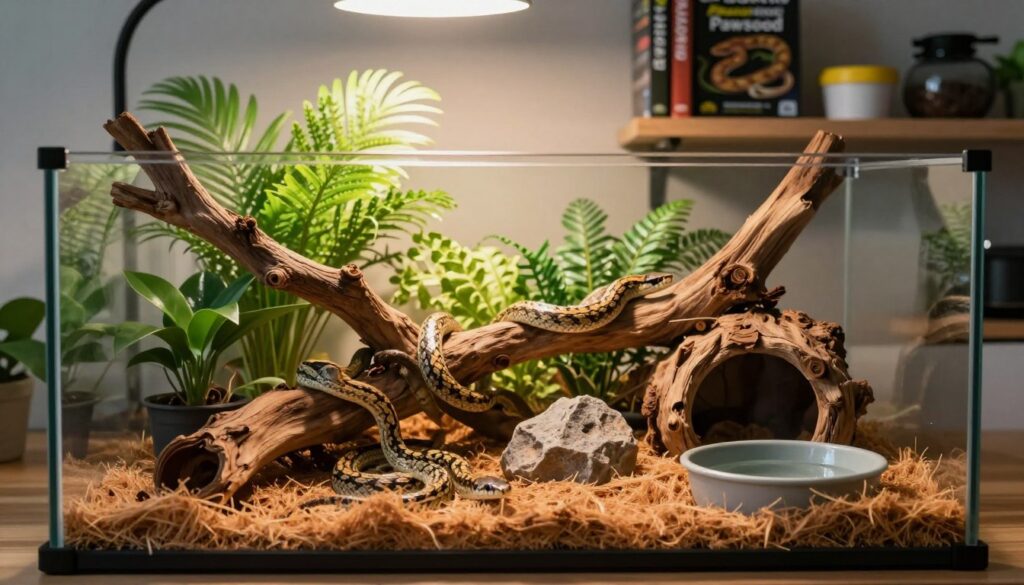
A well-designed habitat serves as the foundation for your snake’s long-term health and overall happiness. By carefully replicating the conditions found in nature, you provide a space where your pet can thrive. Thoughtful planning during the initial setup phase prevents many common health issues later on.
Creating a Proper Temperature Gradient
Snakes are ectothermic, meaning they rely on their environment to regulate their body temperature. You must establish a clear thermal gradient within the enclosure to allow for proper thermoregulation. This involves maintaining a warmer side for digestion and a cooler side for resting.
Place your heat source on one end of the tank to create this necessary variation. Always use a reliable thermostat to prevent overheating, which can be dangerous for your pet. Monitoring these zones with digital thermometers ensures your snake can move freely between temperatures to meet its metabolic needs.
Maintaining Humidity Levels for Shedding
Proper moisture levels are vital for the health of your snake’s skin and respiratory system. If the air is too dry, your pet may struggle with dysecdysis, a condition where the old skin fails to shed completely. Consistent humidity allows for a smooth and healthy shedding process.
You can manage these levels by using appropriate substrates that hold moisture well, such as coconut fiber or cypress mulch. Regularly misting the enclosure or providing a humid hide box can also help maintain the ideal range. Always check your specific species’ requirements, as some snakes need significantly higher humidity than others.
Adding Hides and Enrichment Items
A secure environment is essential for reducing stress and encouraging natural behaviors. Snakes feel most comfortable when they have multiple hides where they can retreat and feel hidden from view. Place at least one hide on the warm side and one on the cool side of the enclosure.
Beyond basic hides, you can add enrichment items like sturdy branches, cork bark, or artificial plants. These additions provide mental stimulation and allow your snake to climb and explore safely. A secure, well-furnished home helps your pet feel confident and active throughout the day.
| Snake Species | Ideal Temp Range | Humidity Level | Key Habitat Needs |
|---|---|---|---|
| Corn Snake | 75°F – 85°F | 40% – 50% | Multiple secure hides |
| Ball Python | 80°F – 90°F | 55% – 65% | High humidity hide |
| King Snake | 75°F – 85°F | 40% – 50% | Climbing branches |
Feeding Pet Snakes Safely and Responsibly
Mastering the art of feeding pet snakes ensures your reptile thrives in captivity. Providing the right nutrition is the most significant factor in maintaining your pet’s long-term health and vitality. By focusing on natural dietary habits, you can create a sustainable routine that supports your snake’s growth and metabolic function.
Understanding Prey Types and Sizes
Most captive snakes thrive on a diet of frozen-thawed rodents, which are widely available and safe to store. Using frozen prey eliminates the risk of injury from live animals, which can bite or scratch your pet during the feeding process. Always ensure the prey is fully thawed and warmed to room temperature before offering it to your snake.
Selecting the correct prey size is vital to prevent digestive complications. A general rule is to choose a rodent that is no wider than the thickest part of your snake’s body. Feeding items that are too large can lead to regurgitation or internal stress.
| Snake Weight (grams) | Prey Item Size | Feeding Frequency |
|---|---|---|
| Under 100g | Pinky Mouse | Every 5-7 days |
| 100g – 300g | Fuzzy to Hopper Mouse | Every 7 days |
| 300g – 600g | Adult Mouse or Small Rat | Every 10 days |
| Over 600g | Medium to Large Rat | Every 14 days |
Establishing a Consistent Feeding Schedule
Consistency is key when feeding pet snakes to support healthy development. A regular schedule helps regulate the snake’s metabolism and prepares them for feeding time. Younger snakes typically require more frequent meals to support their rapid growth, while adults can thrive on less frequent feedings.
Keep a detailed log of every meal offered, including the date and whether the snake accepted the food. This record helps you identify patterns and ensures you do not overfeed or underfeed your animal. Maintaining a steady routine reduces stress and encourages a predictable behavioral response.
Handling Feeding Strikes and Appetite Issues
It is common for even the most experienced owners to encounter a feeding strike. If your snake refuses a meal, do not panic, as this is often a temporary reaction to environmental changes or shedding cycles. Patience is your best tool when managing these periods of reduced appetite.
First, verify that your enclosure temperatures and humidity levels are within the optimal range. If the environment is correct, try offering the food in a quiet, darkened room to minimize distractions. If the issue persists for several weeks, consult an exotic animal veterinarian to rule out underlying health concerns while feeding pet snakes.
Safe Handling and Taming Techniques
Establishing trust with a reptile is a rewarding process that relies on consistent and gentle engagement. When you approach your snake with patience, you create a foundation for a calm and predictable relationship. Consistency is the key to helping your pet feel secure in your presence.
Building Trust Through Gentle Interaction
Begin your interaction sessions by moving slowly and avoiding sudden, jerky motions. Snakes are sensitive to vibrations and quick movements, which can trigger a flight or fight response. Always support the snake’s body fully rather than letting it dangle, as this helps the animal feel stable and safe.
Keep your initial handling sessions short, lasting only a few minutes at a time. Gradually increase the duration as your snake becomes more comfortable with your scent and touch. This slow progression builds confidence and ensures that your pet views you as a non-threatening companion.
Recognizing Signs of Stress in Your Snake
Learning to read your snake’s body language is essential for a positive experience. If your snake begins hissing, puffing up its body, or striking at the glass, it is likely feeling overwhelmed or defensive. Respect these boundaries by giving the animal space to retreat and calm down.
Other signs of stress include rapid tongue flicking or attempting to hide constantly when you approach the enclosure. If you notice these behaviors, it is best to postpone your handling session for another day. Prioritizing the comfort of your pet prevents unnecessary agitation and keeps the interaction stress-free for both of you.
Hygiene Practices After Handling
Maintaining high standards of cleanliness is a critical part of responsible reptile ownership. You should always wash your hands thoroughly with soap and warm water immediately after every interaction. This simple habit effectively removes any bacteria that may be present on the snake’s skin or in its environment.
By following these hygiene protocols, you protect your own health while maintaining a sanitary living space for your pet. Consistent hand washing is a small but vital step in the long-term care of your snake. Keeping your environment clean ensures that your time spent with your pet remains safe and enjoyable.
Monitoring Health and Recognizing Illness
Proactive health monitoring serves as the best defense against potential medical emergencies for your pet. By staying observant, you can catch minor issues before they escalate into serious conditions. Implementing these care tips for pet snakes will help you maintain a thriving environment for your companion.
Identifying Common Signs of a Healthy Snake
A healthy snake typically displays clear, bright eyes and smooth, intact scales. You should notice that your pet moves with purpose and maintains a firm, muscular body tone. Regular shedding is another hallmark of good health, where the skin comes off in one complete, clean piece.
Observe your snake during its active hours to ensure it shows interest in its surroundings. A healthy reptile will flick its tongue frequently to explore the environment. These consistent behaviors are excellent indicators that your care tips for pet snakes are working effectively.
“The secret to long-term reptile health lies in the daily observation of subtle behavioral changes, which often precede physical symptoms.”
Warning Signs of Respiratory Infections and Mites
Be alert for any unusual sounds, such as wheezing or clicking, which often signal a respiratory infection. If you notice your snake keeping its mouth open or producing excess mucus, seek professional advice immediately. These conditions require prompt medical intervention to prevent further complications.
External parasites like mites can also pose a significant threat to your pet. Check for tiny, dark moving specks near the eyes, mouth, or under the scales. If you spot these pests, you must act quickly to sanitize the enclosure and treat the animal according to expert guidelines.
| Indicator | Healthy State | Warning Sign |
|---|---|---|
| Eyes | Clear and bright | Cloudy or retained caps |
| Breathing | Silent and steady | Wheezing or open-mouth |
| Skin | Smooth and vibrant | Mites or stuck shed |
Finding an Exotic Animal Veterinarian
Do not wait for an emergency to find a qualified professional. Locate an exotic animal veterinarian who specializes in reptiles well before you encounter any health concerns. A specialized vet understands the unique physiology of snakes and can provide the most accurate diagnostic care.
Building a relationship with a clinic early on ensures that your pet receives consistent, expert attention. Keep their contact information readily available as part of your essential care tips for pet snakes. This preparation provides peace of mind and ensures your snake receives the best possible medical support throughout its life.
Maintaining a Clean and Sanitary Environment
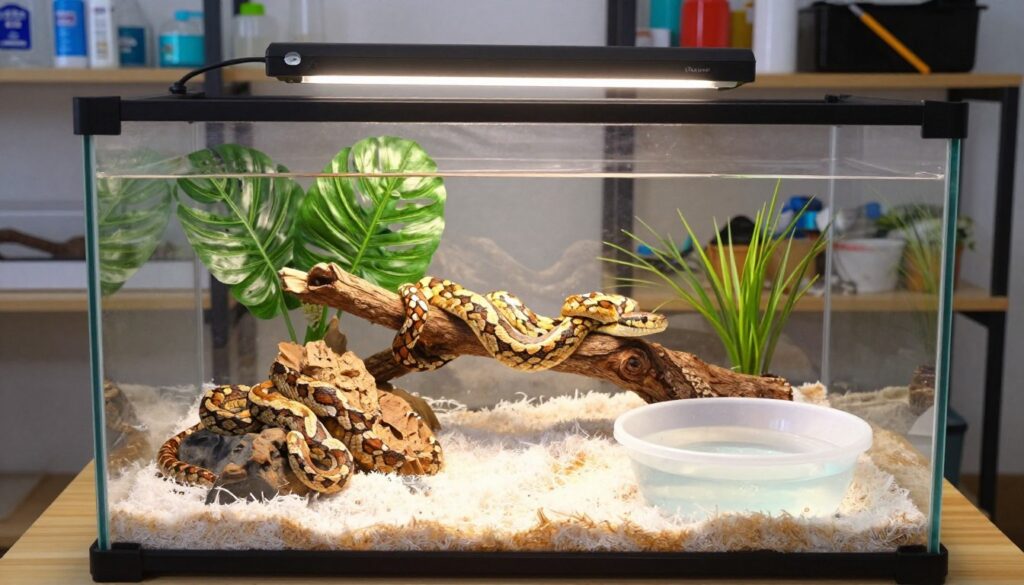
Maintaining a pristine habitat is the cornerstone of responsible reptile ownership. A clean enclosure acts as the primary defense against bacterial growth and potential health complications for your pet. By prioritizing hygiene, you ensure that your snake lives in a safe and thriving environment.
Daily Spot Cleaning Procedures
Consistency is key when managing your snake’s living space. You should perform a quick inspection of the enclosure every single day to identify and remove any waste or soiled substrate immediately.
Removing waste promptly prevents the buildup of harmful bacteria and keeps the habitat smelling fresh. Taking just a few minutes each day will significantly reduce the workload during your more intensive cleaning sessions.
Deep Cleaning and Disinfecting the Enclosure
Beyond daily maintenance, a thorough deep clean is necessary to keep the environment sterile. You should aim to perform a full cleaning of the enclosure and all accessories at least once a month, or more frequently if the species requires it.
Always use reptile-safe cleaning products to avoid exposing your pet to toxic chemicals. Scrub the enclosure walls, hides, and enrichment items with a mild disinfectant, then rinse them thoroughly with water before allowing everything to dry completely.
Managing Water Quality and Bowl Hygiene
Water bowls often become a breeding ground for pathogens if they are not maintained correctly. You must check the water level daily and replace it with fresh, clean water to ensure your snake stays hydrated.
It is also essential to scrub the water bowl with hot, soapy water at least twice a week. Proper bowl hygiene prevents the formation of biofilm, which can harbor dangerous bacteria that compromise your snake’s immune system.
Common Mistakes to Avoid as a New Owner
Your success as a snake owner depends largely on your ability to anticipate and prevent common mistakes. While reptile keeping is a rewarding hobby, even small oversights can lead to significant issues for your pet. By staying informed and proactive, you can ensure a healthy and stress-free environment for your new companion.
Preventing Escapes Through Secure Enclosures
One of the most frequent errors beginners make is underestimating a snake’s ability to find small gaps. Snakes are natural explorers and can squeeze through surprisingly tight spaces if an enclosure is not properly secured. Always use locking mechanisms or specialized clips to ensure the lid remains firmly in place at all times.
Check your enclosure regularly for any loose mesh or damaged seals. A secure habitat is the foundation of responsible ownership and prevents the distress of a lost pet. Peace of mind starts with knowing your snake is safely contained within its designated home.
Avoiding Over-Handling During Digestion
It is tempting to interact with your new pet frequently, but timing is everything. You must avoid handling your snake immediately after it has consumed a meal. Digestion is an energy-intensive process that requires the snake to remain calm and undisturbed.
Handling a snake while it is digesting can lead to regurgitation, which is physically taxing and harmful to the animal. Allow your snake at least 48 hours of quiet time after feeding to ensure the meal is processed correctly. Patience during this period demonstrates your commitment to the long-term health of your reptile.
The Dangers of Improper Temperature Control
Reptiles rely entirely on their environment to regulate their body temperature. If your heating equipment is inconsistent or improperly calibrated, your snake may suffer from metabolic issues or respiratory infections. Consistent temperature gradients are vital for proper digestion and immune system function.
Always use a reliable thermostat to monitor and control your heating elements. Never rely on guesswork when it comes to the thermal needs of your pet. By maintaining precise conditions, you provide the stability necessary for your snake to thrive in captivity.
Conclusion
Owning a snake represents a unique commitment to a fascinating creature. Providing a high standard of care remains a rewarding endeavor that requires dedication and ongoing education.
You now possess the essential pet snake care information to create a thriving environment for your new companion. Success relies on your ability to maintain consistent habitat standards and monitor health markers daily.
Brands like Zoo Med and Exo Terra offer reliable tools to support your journey as a reptile keeper. Use these resources to refine your setup and ensure your pet enjoys a long, healthy life.
We encourage you to continue observing your snake to deepen your understanding of its specific needs. Active learning helps you grow as an owner while fostering a stronger connection with your animal.
Share your experiences with local reptile communities or veterinary experts to expand your knowledge base. Your proactive approach ensures your pet remains a vibrant part of your home for many years.