


Have you ever wondered what secret environmental cues turn a simple home terrarium into a thriving nursery for fire-bellied toads? While these amphibians are known for being hardy, achieving consistent results requires more than just luck. It demands a professional approach to husbandry and a deep understanding of their natural life cycle.
Successful breeding is a journey that rewards those who prioritize meticulous planning. You must learn to replicate the specific seasonal shifts that trigger reproductive behavior in the wild. By mastering these environmental triggers, you can transform your hobby into a rewarding endeavor.
This guide provides the essential framework for both entrepreneurs and dedicated hobbyists. We will explore the precise conditions necessary to ensure your breeding program flourishes. With patience and the right strategy, you can master the art of raising these unique creatures at home.
Key Takeaways
- Patience is the most critical asset for any successful amphibian breeder.
- Replicating natural seasonal cycles is essential to trigger the breeding process.
- Professional husbandry standards ensure the long-term health of your colony.
- Meticulous planning helps avoid common issues during the development phase.
- Understanding environmental cues is the key to consistent reproductive success.
Understanding the Breeding Cycle of Fire-Bellied Toads
Successful reproduction in Fire-Bellied Toads is fundamentally linked to how well a keeper replicates their wild environmental triggers. These amphibians possess an internal biological clock that responds to specific external cues found in their native habitats. By mastering these signals, breeders can encourage natural mating behaviors that might otherwise remain dormant in captivity.
The Importance of Seasonal Cycling
In the wild, Fire-Bellied Toads experience distinct shifts in temperature and moisture that dictate their reproductive readiness. Seasonal cycling acts as a biological reset button, signaling to the toads that the time for mating has arrived. Without these fluctuations, the animals may fail to produce viable eggs or show interest in courtship.
Providing a period of cooler temperatures followed by a gradual warming phase mimics the transition from winter to spring. This strategic environmental shift is essential for stimulating hormonal changes. When keepers carefully manage these cycles, they significantly increase the likelihood of a successful breeding season.
Identifying Sexually Mature Adults
Before attempting to breed your colony, you must ensure that your toads have reached full sexual maturity. Typically, these toads are ready to breed once they reach approximately two years of age. Observing their physical development and behavioral patterns provides the best insight into their readiness.
Males often display more vocal behavior during the breeding season, producing a soft, bell-like call to attract females. Females, on the other hand, will appear noticeably plumper as they develop eggs. Monitoring these specific markers allows you to select the healthiest pairs for your breeding program.
| Indicator | Male Characteristics | Female Characteristics |
|---|---|---|
| Vocalization | Frequent, rhythmic calling | Generally silent |
| Body Shape | Lean and athletic | Rounded, gravid appearance |
| Behavior | Active pursuit of mates | Receptive to amplexus |
| Age Readiness | 24+ months | 24+ months |
Common Salamander Mistakes to Avoid When Breeding Toads
Mastering the art of toad breeding starts with identifying and correcting frequent mistakes that hinder reproduction. Many enthusiasts struggle with their first clutch because they inadvertently apply care standards meant for different species. By learning to avoid salamander mishaps, you can create a more stable environment for your fire-bellied toads.
Confusing Amphibian Species Requirements
A frequent issue arises when keepers treat toads exactly like salamanders. While both are amphibians, their physiological needs differ significantly regarding humidity and substrate depth. Applying incorrect husbandry protocols often leads to stress, which effectively shuts down the breeding drive.
New breeders often make salamander mistakes by providing overly damp, burrowing-heavy environments that are unsuitable for semi-aquatic toads. Always research the specific natural history of your species to ensure your setup supports their unique biological rhythm.
Ignoring Water Quality Parameters
Water quality is the foundation of successful fertilization. Many common salamander errors involve neglecting the chemical balance of the aquatic portion of the tank. If the water contains high levels of ammonia or nitrates, the eggs will likely fail to develop.
You must monitor pH levels and filtration efficiency regularly. Clean, oxygenated water is not just a preference; it is a requirement for healthy tadpole development. Ignoring these parameters creates a toxic environment that prevents successful spawning.
Overlooking Temperature Fluctuations
Temperature serves as a primary hormonal trigger for mating behavior in fire-bellied toads. Breeders who keep their tanks at a static, unchanging temperature often find that their toads never enter a breeding state. You must simulate seasonal shifts to encourage natural reproductive cycles.
By failing to provide a cooling period, you miss the essential cues that signal the start of the mating season. Salamander mistakes often include keeping the environment too warm year-round, which exhausts the animals and prevents the necessary hormonal preparation for egg-laying.
| Common Error | Impact on Breeding | Corrective Action |
|---|---|---|
| Incorrect Humidity | Reduced Mating Drive | Adjust to Semi-Aquatic |
| Poor Water Quality | Egg Mortality | Frequent Partial Changes |
| Static Temperatures | Hormonal Stagnation | Implement Seasonal Cycles |
Setting Up the Ideal Breeding Enclosure
A well-designed habitat serves as the foundation for healthy breeding behaviors and long-term animal welfare. By providing a space that mimics natural conditions, you significantly increase the likelihood of successful mating. Avoiding common salamander habitat errors is essential, as these mistakes often lead to stress and poor reproductive outcomes.
Selecting the Right Tank Size
Space is a critical factor when preparing for the breeding season. You need a tank large enough to accommodate both the courtship displays of the males and the egg-laying activities of the females. A standard 20-gallon long aquarium is often the minimum requirement for a small breeding group.
Larger enclosures provide better stability for water parameters and allow for more complex landscaping. When selecting your tank, consider these key features:
- Ample floor space for terrestrial movement.
- Secure lids to prevent accidental escapes.
- Easy access for routine maintenance and cleaning.
Creating a Semi-Aquatic Environment
Fire-bellied toads require a balanced setup that transitions smoothly between land and water. You should aim for a 50/50 split to ensure the toads feel secure in both environments. Using a sloped substrate or a floating platform allows the animals to choose their preferred location at any given time.
The terrestrial side should feature non-toxic plants and smooth rocks to provide hiding spots. These areas are vital for reducing stress during the breeding cycle. Proper design ensures that the toads can easily enter and exit the water without difficulty.
Implementing Proper Filtration Systems
Maintaining pristine water quality is non-negotiable for successful egg development. However, you must be careful to avoid strong currents that could exhaust the toads or disturb the eggs. Many beginners make salamander habitat errors by installing high-flow filters that are too powerful for this species.
Opt for a gentle internal filter or a sponge filter that provides biological filtration without creating a whirlpool. Regular, small water changes are also necessary to keep ammonia levels low. By balancing effective filtration with calm water, you create the perfect nursery for your future tadpoles.
Simulating Seasonal Changes for Successful Mating
Mimicking the transition from winter to spring is the most effective way to prepare your toads for a successful breeding season. In their natural habitat, these amphibians rely on specific environmental shifts to trigger their reproductive instincts. By carefully adjusting the conditions within your enclosure, you can encourage your toads to engage in natural mating behaviors.
Adjusting Photoperiods for Breeding Readiness
Light cycles play a critical role in signaling the change of seasons to your pets. You should begin by gradually reducing the light exposure to simulate a winter dormancy period. Once this phase concludes, slowly increase the duration of light to mimic the lengthening days of spring.
Using an automatic timer is the best strategy to ensure consistency. A gradual shift prevents unnecessary stress and helps the toads adjust their internal clocks. This steady progression is vital for achieving full reproductive readiness.
Managing Temperature Drops and Increases
Temperature fluctuations act as a secondary, yet equally important, signal for your toads. During the simulated winter phase, you should lower the ambient temperature slightly to encourage a period of rest. This cooling period is essential for the health of the reproductive system.
After the rest period, slowly raise the temperature back to the standard range for active adults. This warming trend mimics the arrival of spring and often triggers the males to begin calling. Maintaining a stable, controlled increase ensures the toads remain healthy while transitioning into their breeding phase.
The Role of Rainfall Simulation
In the wild, increased rainfall is a primary indicator that the breeding season has officially begun. You can replicate this by increasing the frequency of misting within the enclosure. Using a high-quality misting system or a simple spray bottle can effectively simulate these spring showers.
Increased humidity levels often stimulate the toads to become more active and vocal. Consistent moisture is key to encouraging the toads to enter the water and begin the mating process. By combining these environmental cues, you provide the perfect conditions for your fire-bellied toads to thrive.
Nutritional Requirements for Breeding Pairs
A well-planned diet is the secret to unlocking the full breeding potential of your amphibians. When preparing for the reproductive cycle, the physical condition of your toads directly influences their success. Providing a nutrient-dense diet ensures that adults have the energy reserves necessary for complex mating behaviors.
High-Quality Live Food Sources
Toads are insectivores that thrive on variety. Relying on a single food source often leads to nutritional deficiencies that can hinder reproductive health. You should offer a diverse menu including crickets, dubia roaches, and black soldier fly larvae.
Always prioritize gut-loading your feeder insects before offering them to your toads. By feeding the insects high-quality vegetables or commercial insect diets, you pass those essential nutrients directly to your breeding pair. This simple step significantly boosts the overall health of your colony.
Supplementation and Vitamin D3 Needs
Even with a varied diet, captive toads often require additional support to meet the metabolic demands of breeding. Calcium and Vitamin D3 are critical components for maintaining bone density and supporting the development of healthy eggs.
“The quality of the parent’s diet is the single most important factor in the viability of the offspring.” —
Dusting your live food with a high-quality calcium supplement containing Vitamin D3 is a standard practice for success. This helps prevent metabolic bone disease and ensures that the female has enough calcium to produce strong, healthy egg clutches. Consistency in this supplementation is vital during the weeks leading up to the breeding season.
Feeding Schedules for Optimal Health
Establishing a predictable feeding routine helps manage the energy levels of your toads. During the pre-breeding phase, you should increase the frequency of feedings to ensure the adults are in peak physical condition. Monitoring their body weight is a great way to gauge if your current schedule is meeting their needs.
Avoid overfeeding, as this can lead to obesity and lethargy, which are detrimental to mating success. Instead, aim for small, frequent meals that keep the toads active and alert. A balanced approach to their daily intake will provide the stamina required for the upcoming breeding cycle.
Managing Eggs and Tadpole Development
Once your breeding pair has successfully mated, the real work of managing the next generation begins. This phase requires diligent observation and a proactive approach to ensure the survival of the offspring. By providing a stable environment, you significantly increase the chances of raising a healthy cohort of young toads.
Identifying and Harvesting Toad Eggs
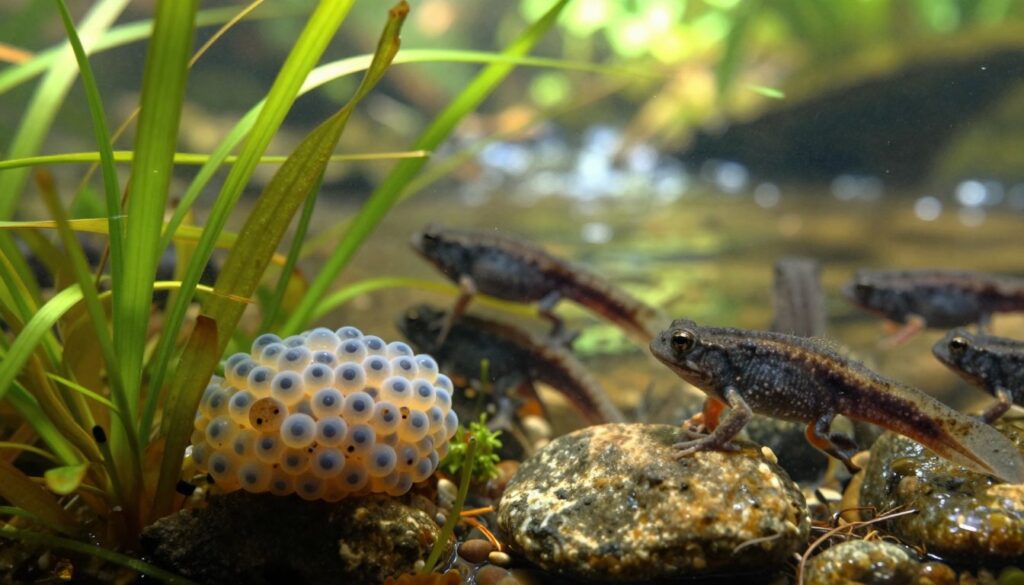
Fire-bellied toad eggs are typically laid in small clusters attached to aquatic plants or submerged decor. You must inspect the tank daily following a successful mating event to locate these delicate clutches. Early identification is vital because adult toads may consume the eggs if they are left in the main breeding enclosure.
Carefully remove the eggs using a soft net or a small container to avoid damaging the gelatinous coating. It is best to transfer them to a separate, dedicated rearing tank. This controlled environment prevents predation and allows you to monitor their development without interference from the adults.
Maintaining Water Conditions for Larvae
Once the eggs hatch, the resulting larvae require pristine water quality to thrive. You should maintain a gentle filtration system that does not create strong currents, which could exhaust the small tadpoles. Consistency is key when managing water parameters such as pH and ammonia levels.
Perform regular, small water changes to remove waste products and prevent the buildup of harmful toxins. Using aged or dechlorinated water is essential to avoid stressing the sensitive larvae. Keep the temperature stable, as sudden fluctuations can negatively impact their growth rate and overall health.
Transitioning Tadpoles to Metamorphosis
As the tadpoles grow, they will eventually begin the complex process of metamorphosis. You will notice the development of hind limbs, followed by front limbs, as they prepare for their transition to a semi-aquatic lifestyle. During this time, it is crucial to provide a gradual slope or a floating platform in the tank.
This structure allows the developing toadlets to exit the water safely once they have absorbed their tails. Ensure the land area is easily accessible and provides a moist environment to prevent dehydration. By facilitating this transition with care, you support their successful shift from aquatic larvae to thriving young toads.
Preventing Common Care Blunders During Rearing
Successful development of your toad colony depends on avoiding specific mistakes during the early growth stages. While many hobbyists focus on adult health, the larval phase is equally sensitive. Recognizing salamander care mistakes to avoid early on will significantly increase the survival rate of your offspring.
Avoiding Overcrowding in Rearing Tanks
One of the top salamander errors is keeping too many larvae in a single container. Overcrowding leads to intense competition for resources, which often results in stunted growth and weakened immune systems. Proper spacing is essential to ensure every individual has enough room to swim and develop naturally.
You should monitor the density of your tadpoles as they grow larger. If the tank appears crowded, consider moving a portion of the group to a secondary enclosure. This simple adjustment prevents the spread of disease and promotes uniform development across the entire brood.
Managing Waste and Ammonia Spikes
Tadpoles produce a significant amount of waste, which can quickly degrade water quality. Ammonia spikes are a silent killer in rearing tanks and often occur when filtration is insufficient or water changes are neglected. Maintaining pristine water conditions is non-negotiable for healthy metamorphosis.
Implement a strict schedule for partial water changes to keep nitrogen levels low. Using a reliable test kit will help you track ammonia and nitrate levels in real-time. If you notice a sudden spike, perform an immediate water change to protect your developing larvae from toxic buildup.
Preventing Cannibalism Among Tadpoles
Cannibalism is a common behavioral issue that often stems from hunger or lack of space. These salamander care blunders can be mitigated by providing consistent, high-quality food sources throughout the day. When tadpoles are well-fed, they are far less likely to target their smaller tank mates.
Ensure that food is distributed evenly across the tank to prevent aggressive feeding clusters. Providing hiding spots, such as aquatic plants or small rocks, also allows weaker individuals to escape potential predators. By balancing nutrition and environment, you create a safer space for your tadpoles to thrive.
| Common Error | Primary Consequence | Recommended Solution |
|---|---|---|
| Overcrowding | Stunted growth | Increase tank volume |
| Poor Filtration | Ammonia toxicity | Frequent water changes |
| Insufficient Feeding | Cannibalism | Regular, spread-out meals |
Health Monitoring and Disease Prevention
The long-term success of your toad breeding program depends heavily on your ability to monitor health and prevent disease. A proactive approach ensures that your colony remains vibrant and productive throughout the breeding season. By observing your animals daily, you can catch potential issues before they escalate into serious health crises.
Recognizing Signs of Stress in Adults
Amphibians are masters at hiding illness, so you must learn to identify subtle behavioral shifts. A healthy toad should be alert, active, and possess a clear, moist skin surface. If you notice lethargy, loss of appetite, or abnormal skin discoloration, these are often early indicators of environmental stress.
Many keepers inadvertently cause stress through poor maintenance habits. Avoiding common salamander handling mistakes is crucial, as excessive human contact can damage their delicate skin barrier. Always wash your hands thoroughly and use gloves when necessary to maintain a sterile environment.
Quarantine Protocols for New Additions
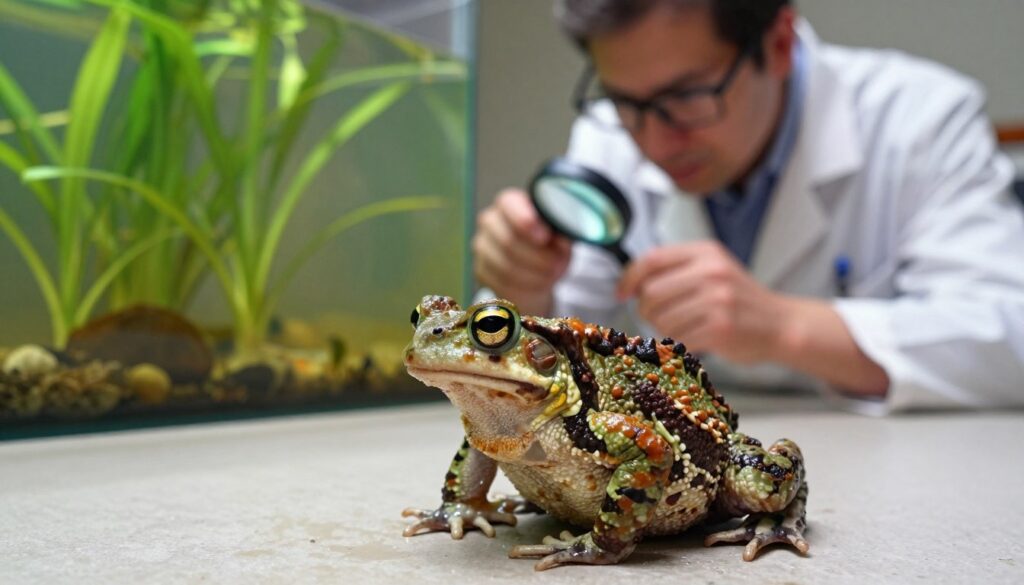
Introducing new individuals into an established colony is a high-risk activity that requires strict discipline. Never place a new toad directly into your main breeding tank. Instead, implement a mandatory quarantine period of at least 30 to 60 days in a separate, isolated enclosure.
During this time, monitor the new arrival for any signs of illness or parasites. This practice prevents the introduction of pathogens that could devastate your entire population. Learning to avoid basic salamander pet mistakes, such as skipping quarantine, will save you from significant heartache and financial loss.
Addressing Fungal and Bacterial Infections
Fungal and bacterial infections are the most common health threats in semi-aquatic setups. These pathogens thrive in environments with poor water quality or inadequate filtration. If you notice fuzzy patches on the skin or red, inflamed sores, you must act immediately.
Follow these essential steps to manage potential outbreaks:
- Isolate affected individuals immediately to prevent the spread of infection.
- Perform a deep clean of the enclosure, including all substrate and decor.
- Test your water parameters to ensure ammonia and nitrate levels are within safe ranges.
- Consult with an exotic animal veterinarian if symptoms persist or worsen.
Maintaining a clean, stable environment is your best defense against disease. By staying vigilant and following these protocols, you provide your toads with the best possible chance for a long and healthy life.
Conclusion
Successful breeding of fire-bellied toads requires a blend of environmental precision and dedicated observation. Entrepreneurs who prioritize stable habitats and high-quality nutrition set the foundation for a thriving population.
Consistency remains the most vital tool in your professional toolkit. Small adjustments to water quality or temperature often yield significant results during the mating season. Patience allows you to refine your methods as you learn the unique rhythms of your specific breeding pairs.
Amphibian husbandry rewards those who pay attention to the smallest details. By applying these proven strategies, you create a sustainable program that supports the long-term health of your animals. Your commitment to these standards ensures that your breeding efforts remain both ethical and productive.
Share your experiences with your peers to help elevate industry standards. Engaging with other breeders provides fresh perspectives on common challenges. Your journey toward mastery starts with the next cycle in your enclosure.