

Have you ever wondered if your home environment truly meets the biological needs of your exotic companion? Providing a stable habitat is the most critical responsibility for any dedicated owner. Understanding the specific fennec fox temperature requirements serves as the foundation for a long, healthy life.
These unique animals thrive when their surroundings mimic their natural desert origins. Consistency is key to preventing stress and illness in your pet. By mastering these environmental controls, you ensure your animal remains comfortable and active throughout the year.
Key Takeaways
- Maintaining a stable climate is essential for the health of exotic pets.
- Proper fennec fox temperature management prevents unnecessary stress.
- Owners must prioritize environmental stability to ensure longevity.
- Consistent monitoring helps identify potential health issues early.
- Creating a desert-like habitat supports natural behaviors and well-being.
Understanding the Natural Habitat and Fennec Fox Temperature Needs
Deep within the arid landscapes of North Africa, the fennec fox has evolved to master extreme thermal conditions. These small canids thrive in the Sahara Desert, where temperatures fluctuate wildly between scorching days and freezing nights. Their survival depends on a unique set of biological traits that allow them to manage heat with remarkable efficiency.
Evolutionary Adaptations to Desert Climates
The most iconic feature of the fennec fox is its oversized ears, which serve as a critical cooling system. These large appendages are filled with blood vessels that release body heat into the air, helping the animal stay cool during the peak of the day. This natural radiator is essential for their survival in high-heat environments.
Beyond their ears, these foxes possess thick, sandy-colored fur that provides insulation against both heat and cold. They are primarily nocturnal, which allows them to avoid the most intense sunlight by retreating into deep, cool underground burrows. This behavior is a primary mechanism for maintaining a stable internal body temperature despite the harsh desert climate.
Why Native Environment Matters for Captive Care
When keeping these animals as pets, owners must recognize that their biology is still wired for the desert. Understanding the fennec fox habitat temperature is vital for creating an environment that supports their long-term health. By replicating the natural cycles of their home range, you can prevent unnecessary stress on their systems.
Meeting specific fennec fox temperature requirements ensures that your pet remains active and healthy. Providing a space that allows for natural thermoregulation is not just a luxury; it is a fundamental aspect of responsible ownership. When you prioritize these environmental needs, you help your fennec fox thrive in a domestic setting.
The Ideal Temperature Range for Fennec Foxes
While these animals originate from the desert, they thrive best in a stable, controlled indoor climate. Providing the correct fennec fox temperature is essential for their long-term health and happiness. Although they are hardy creatures, they rely on their owners to maintain a consistent environment that mimics their natural comfort levels.
Defining the Comfort Zone for Domestic Fennecs
The optimal temperature for fennec fox well-being typically falls between 70°F and 80°F. This range ensures they remain active and comfortable without the physiological stress caused by extreme heat or cold. Maintaining a safe temperature range for fennec fox habitats prevents the metabolic strain often associated with fluctuating indoor conditions.
It is important to monitor the ambient air temperature closely throughout the day. Even small shifts in your home’s climate can impact your pet’s behavior. Consistent thermal regulation supports their natural energy levels and helps maintain a healthy appetite.
Factors Influencing Individual Temperature Preferences
Not every fox will react to the environment in the exact same way. Several variables can influence the specific thermal needs of your pet, requiring you to observe their behavior closely. Age, overall health, and daily activity levels play a significant role in how they perceive heat.
- Age: Kits and senior foxes often require slightly warmer environments to maintain their body heat.
- Health Status: Animals recovering from illness may need a more stable, warmer zone to support their immune system.
- Activity Levels: Highly active foxes generate more body heat and may prefer cooler spots during their peak play times.
The following table provides a quick reference for managing your pet’s environment effectively.
| Condition | Recommended Range | Adjustment Strategy |
|---|---|---|
| Standard Adult | 70°F – 80°F | Maintain consistent ambient heat |
| Kits/Seniors | 75°F – 82°F | Provide supplemental heat source |
| High Activity | 68°F – 75°F | Ensure adequate ventilation |
Signs of Temperature Stress in Fennec Foxes
A healthy fennec fox thrives in a stable environment, but how do you know if the temperature is wrong? Observing your pet closely is the most effective way to catch potential issues before they escalate into medical emergencies. By learning the subtle physical and behavioral cues of your fox, you can provide a safer, more comfortable home.
Identifying Symptoms of Overheating
Fennec foxes are desert animals, but they still have limits when it comes to extreme heat. If the ambient temperature rises too high, you may notice your fox panting heavily or breathing with its mouth open. This is a primary indicator that the animal is struggling to cool down.
Other common signs include extreme lethargy or a lack of interest in food and play. You might also observe the ears becoming flushed or bright red as the fox attempts to dissipate body heat. If you notice these behaviors, it is crucial to move your pet to a cooler area immediately and provide access to fresh, cool water.
Recognizing Indicators of Hypothermia
While these animals are built for warm climates, they are surprisingly sensitive to cold drafts and low temperatures. A fox suffering from hypothermia will often curl into a tight ball to conserve body heat. You may also notice visible shivering or a reluctance to move from a warm spot in the enclosure.
Check the extremities, such as the paws and the tips of the ears, to see if they feel unusually cold to the touch. If your fox appears sluggish or unresponsive, it may be experiencing a dangerous drop in core body temperature. Prompt intervention is necessary to restore warmth, such as using a safe, low-heat source or adjusting the room temperature to a more stable range.
Essential Equipment for Maintaining Fennec Fox Temperature
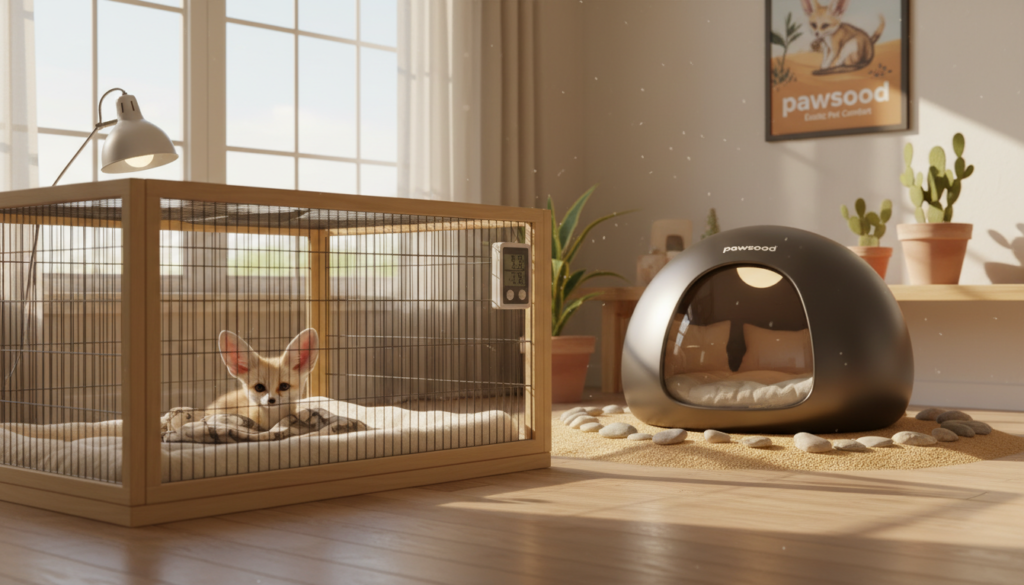
Proper gear is the foundation for maintaining fennec fox temperature throughout the changing seasons. Creating a stable, controlled living space requires more than just a basic enclosure; it demands precision hardware designed for exotic animal care. By investing in the right tools, owners can provide a consistent environment that mimics the natural desert conditions these animals crave.
Selecting Reliable Thermostats and Digital Monitors
Real-time data is essential for any successful habitat setup. High-quality digital monitors allow you to track ambient conditions with absolute accuracy, ensuring that your pet never experiences dangerous spikes or drops in heat. These devices provide peace of mind by alerting you to fluctuations before they become a health risk.
Pairing your monitor with a reliable thermostat is a smart strategy. A quality thermostat acts as the brain of your heating system, automatically adjusting power output to keep the enclosure within the ideal range. This automated regulation removes the guesswork from your daily routine.
Safe Heating Pads and Ceramic Heat Emitters
When supplemental heat is necessary, safety must remain your top priority. Ceramic heat emitters are excellent choices because they provide warmth without emitting light, which helps maintain a natural day-night cycle for your fox. These units should always be connected to a protective guard to prevent accidental contact.
Heating pads can also be effective when used correctly. It is vital to place these pads under only a portion of the enclosure floor. This setup allows your pet to move away from the heat source if they feel too warm, which is a critical aspect of maintaining fennec fox temperature safely.
Ventilation Systems for Airflow Control
Proper airflow is often overlooked, yet it is just as important as heat regulation. Stagnant air can lead to moisture buildup and respiratory issues, making a well-ventilated enclosure a necessity. You should ensure that your habitat design includes strategic vents that allow for fresh air exchange without creating harsh drafts.
By balancing heating elements with consistent ventilation, you create a dynamic environment that supports your pet’s well-being. This combination of equipment ensures that you are effectively maintaining fennec fox temperature while keeping the air quality fresh and healthy year-round.
Strategies for Keeping Your Fennec Fox Warm in Winter
Protecting your Fennec fox from the harsh realities of indoor winter temperatures requires careful planning. Because these animals originate from arid, hot climates, they lack the natural insulation needed to thrive in chilly environments. Effective fennec fox cold weather care focuses on creating a stable, cozy microclimate within their living space.
Insulating the Enclosure Against Drafts
Drafts are the primary enemy of a comfortable habitat during the winter months. Even a small stream of cold air can cause significant stress to your pet. You should inspect the enclosure for gaps near windows or doors and seal them with pet-safe materials.
Placing the enclosure away from exterior walls is another highly effective strategy. Adding a layer of insulating material, such as a thick blanket or specialized foam board, to the back and sides of the cage can help retain heat. This simple step is vital for keeping fennec fox warm when the central heating is not enough.
Safe Use of Supplemental Heat Sources
When the ambient temperature drops, you may need to introduce supplemental heat. It is critical to prioritize safety to prevent burns or fire hazards. Always use a thermostat to regulate the output of heat pads or ceramic emitters, ensuring the surface never becomes too hot to touch.
“Thermal regulation is not just about adding heat; it is about maintaining a consistent, safe gradient that allows the animal to choose its preferred comfort zone.”
Never place heating elements inside the cage where the fox can chew on cords or come into direct contact with the source. Instead, mount them externally to provide radiant warmth safely. The following table outlines common heating options for your pet:
| Heating Method | Safety Level | Heat Distribution |
|---|---|---|
| Ceramic Heat Emitter | High (External) | Broad/Radiant |
| Under-tank Heat Mat | Medium (Regulated) | Localized |
| Oil-filled Space Heater | High (Room Level) | Ambient |
Monitoring Humidity Levels During Cold Spells
Winter air is often excessively dry, which can irritate the respiratory system of your Fennec fox. Maintaining proper humidity is a key component of comprehensive fennec fox cold weather care. You should aim for a moderate humidity level to prevent dehydration and dry skin.
Using a digital hygrometer allows you to track these levels in real-time. If the air becomes too dry, a small, safe humidifier placed near the room—but not directly inside the enclosure—can provide much-needed moisture. Consistent monitoring ensures your pet remains healthy throughout the coldest months of the year.
Managing Heat Tolerance During Summer Months
Understanding the limits of fennec fox heat tolerance is the first step toward ensuring a safe and comfortable summer for your pet. Although these animals originate from harsh desert environments, they are not immune to the dangers of extreme heat when confined to indoor spaces. Proper management of their environment is essential to prevent health complications during the hottest months of the year.
Preventing Heatstroke in High Temperatures
Heatstroke is a serious condition that can occur rapidly if a fox is exposed to temperatures exceeding its comfort zone. Owners must remain vigilant for signs such as excessive panting, lethargy, or a lack of coordination. Early detection is critical to ensuring the safety of your pet during a heatwave.
“Providing a climate-controlled environment is not just a luxury for exotic pets; it is a fundamental requirement for their long-term health and well-being.”
Cooling Solutions for Indoor Habitats
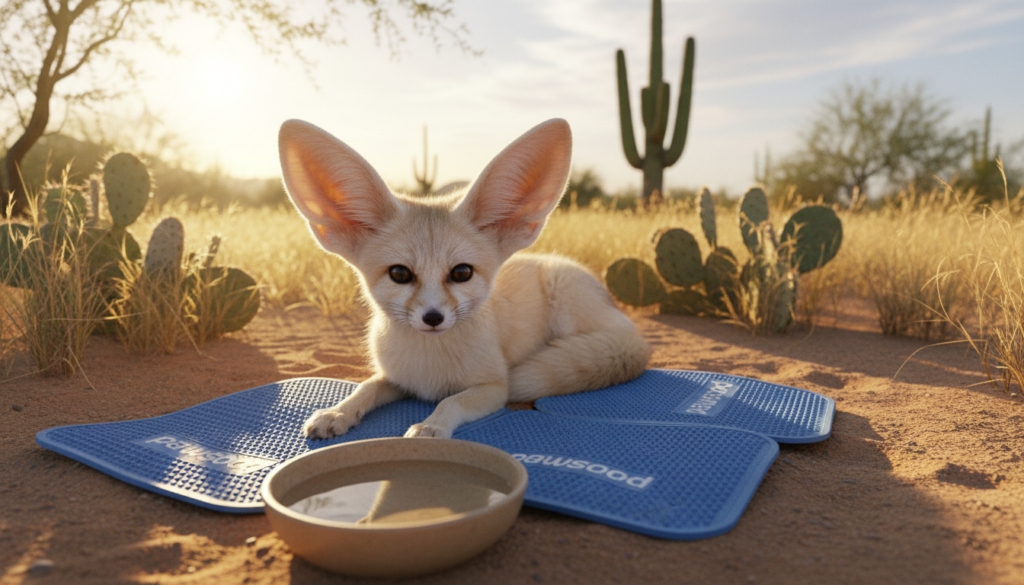
To maintain optimal fennec fox heat tolerance, you should implement various cooling strategies within the enclosure. Utilizing ceramic cooling tiles or specialized pet cooling mats can provide a refreshing surface for your fox to rest upon. Additionally, ensure that the room housing the enclosure remains well-ventilated to prevent the buildup of stagnant, warm air.
| Cooling Method | Effectiveness | Ease of Use |
|---|---|---|
| Cooling Mats | High | Simple |
| Ceiling Fans | Moderate | Easy |
| Air Conditioning | Very High | Automated |
The Importance of Shade and Air Circulation
Even in a temperature-controlled room, providing shaded retreats is vital for your fox’s sense of security and physical comfort. Direct sunlight can create localized hot spots that quickly exceed safe levels for your pet. By ensuring consistent air circulation, you help dissipate heat and maintain a stable environment that supports healthy fennec fox heat tolerance throughout the summer.
Creating a Climate-Controlled Habitat
The secret to a healthy fennec fox lies in the strategic design of their indoor habitat. By focusing on thermal regulation, you can provide a space that mimics the natural comfort these animals require. A well-planned enclosure acts as the foundation for your pet’s long-term well-being.
Designing Enclosures for Optimal Thermal Regulation
To achieve the best results, create a multi-zone environment within the enclosure. This allows your fox to move between different areas to find its preferred temperature. You might include a warm, insulated den on one side and a cooler, elevated platform on the other.
Using materials that naturally regulate heat is a smart strategy. For example, stone or ceramic tiles can provide a cool surface during warmer hours, while soft, fleece-lined bedding offers warmth when needed. Giving your fox the choice to move between these zones is the most effective way to prevent temperature-related stress.
Placement Tips to Avoid Direct Sunlight and HVAC Vents
Where you place the enclosure is just as important as how you build it. You must avoid areas that receive direct sunlight, as these spots can cause dangerous temperature spikes in a very short time. Even a small window can turn a cozy habitat into an overheated space during the afternoon.
Similarly, keep the enclosure away from active HVAC vents or drafty doorways. Direct airflow from air conditioning or heating systems can create unstable conditions that are difficult for a small fox to manage. A stable, consistent environment is essential for maintaining your pet’s health throughout the year.
Always test the temperature in the chosen spot before finalizing the setup. Use a digital monitor to track fluctuations over a full 24-hour cycle. This proactive approach ensures that your fennec fox remains in a safe and comfortable zone regardless of the weather outside.
Common Mistakes in Fennec Fox Temperature Regulation
Mastering the nuances of your pet’s environment starts with identifying frequent mistakes in fennec fox temperature regulation. Even well-intentioned owners can inadvertently create an unsafe habitat by overlooking basic thermal principles. Understanding these common errors is the first step toward providing a stable and healthy home for your exotic companion.
Over-reliance on Artificial Heating
Many keepers assume that because these animals originate from desert climates, they require constant, high-intensity heat sources. However, over-reliance on heating pads or lamps without proper monitoring often leads to dangerous overheating. If the enclosure lacks a cool zone, the animal cannot escape the heat, which can cause severe physical stress.
It is vital to use thermostats to prevent these devices from running unchecked. Always ensure your pet has the freedom to move away from heat sources to regulate its own body temperature naturally. Relying solely on technology rather than observation is a significant error in fennec fox temperature regulation.
Ignoring the Dangers of Rapid Temperature Fluctuations
A common misconception is that the absolute temperature is the only factor that matters. In reality, rapid temperature fluctuations are often more harmful to a fennec fox than a steady, slightly cooler environment. Sudden shifts caused by drafty windows or poorly placed HVAC vents can weaken an animal’s immune system.
Consistency is the cornerstone of effective fennec fox temperature regulation. Aim to keep the ambient temperature within a stable range rather than chasing a specific high number. By avoiding these frequent mistakes, you provide a secure and predictable habitat that supports your pet’s long-term well-being.
Conclusion
Providing a stable environment remains the most vital aspect of caring for a fennec fox. These animals rely on precise thermal regulation to maintain their health and vitality in a domestic setting.
Proactive monitoring serves as the foundation of responsible ownership. Using high-quality digital tools allows you to track shifts in the habitat before they impact your pet. Reliable equipment from brands like Zoo Med or Exo Terra helps maintain the specific conditions these foxes require to thrive.
Consistency protects your animal from the stress of rapid environmental changes. Small adjustments to your heating or cooling setup ensure the enclosure stays within a safe range throughout the year. Dedication to these details honors the natural instincts of your fox while promoting a long, active life.
Observe your pet closely to understand its unique comfort levels. Share your experiences with other owners to build a community focused on animal welfare. Prioritizing the well-being of your fennec fox creates a rewarding bond that lasts for many years.