


Have you ever wondered if it is truly possible to replicate the complex Amazonian environment within the confines of a home aquarium? Mastering electric eel care is a significant challenge that demands more than just basic knowledge. These fascinating predators require a highly stable habitat to thrive in captivity.
The foundation of success lies in strict control over water parameters. Even minor fluctuations in pH or temperature can cause immense stress to these sensitive creatures. Consistent aquarium maintenance is not merely a chore; it is a vital practice that ensures the long-term health of your specimen.
Beyond chemistry, owners must navigate the controversial Live Feeding Debate. Balancing nutritional needs with ethical concerns remains a central topic for serious hobbyists. By prioritizing precise environmental control, you provide the stability these unique animals need to flourish.
Key Takeaways
- Electric eel care requires a deep commitment to environmental stability.
- Monitoring water parameters is the most critical aspect of daily maintenance.
- Consistent aquarium maintenance prevents health issues and stress.
- The Live Feeding Debate highlights the complexity of meeting dietary requirements.
- Successful keepers prioritize long-term health over convenience.
Understanding the Natural Habitat of Electric Eels
Understanding the wild origins of electric eels is the first step toward successful long-term care. These fascinating creatures have evolved over millions of years to thrive in specific environmental conditions. By studying their native range, keepers can better provide for their biological needs.
Amazonian Basin Water Chemistry
The Amazonian Basin is characterized by unique water properties that directly influence the health of electric eels. In the wild, these fish inhabit slow-moving, warm, and often murky waters. This Amazonian water chemistry is typically soft and acidic, which helps maintain the integrity of their sensitive skin and electrical organs.
Maintaining these specific parameters is vital for the overall vitality of the species. When the water chemistry deviates significantly from these natural levels, the fish may experience physiological stress. Consistency remains the most important factor when managing these delicate aquatic systems.
Adapting Wild Conditions to Captive Environments
Transitioning a specimen into a captive environment requires careful planning and observation. Owners should aim to mimic the natural conditions of the Amazon to ensure the eel feels secure and healthy. Providing a stable habitat reduces the risk of illness and promotes natural behaviors.
The following table outlines the key differences and targets for maintaining a healthy home for your eel:
| Parameter | Wild Range | Target Captive Range |
|---|---|---|
| Temperature | 75°F – 85°F | 78°F – 82°F |
| pH Level | 6.0 – 7.0 | 6.5 – 7.2 |
| Water Hardness | Very Soft | Low (Soft) |
| Flow Rate | Minimal | Low to Moderate |
By prioritizing a stable captive environment, you create a space where your eel can thrive for many years. Always remember that Amazonian water chemistry is not just a set of numbers, but a foundation for the long-term well-being of your animal. Regular testing and minor adjustments will help you maintain this balance effectively.
Essential Water Parameters for Long-Term Health
Providing a thriving habitat for an electric eel starts with mastering essential water parameters. These creatures are highly sensitive to their surroundings, and even minor fluctuations can lead to significant stress. Consistency is the most critical factor in ensuring these animals live long, healthy lives in captivity.
Maintaining Optimal pH Levels
The chemical balance of the water directly impacts the physiological well-being of your eel. You should aim to keep pH levels between 6.5 and 7.5 at all times. This neutral to slightly acidic range mimics the natural conditions found in their native river systems.
Regular testing is necessary to ensure these values do not drift. If the water becomes too alkaline or acidic, the eel may experience unnecessary physiological distress, which can weaken its immune system over time.
Temperature Regulation and Stability
Proper water temperature is vital for supporting the metabolic functions of an electric eel. A stable range between 75°F and 82°F is generally recommended for optimal health. Sudden spikes or drops in heat can disrupt their digestion and overall activity levels.
Investing in high-quality, reliable heaters is a smart strategy for any keeper. You should also use a secondary thermometer to verify that your primary heating equipment is functioning accurately. Stability is far more important than hitting a specific number within that ideal range.
Managing Hardness and Conductivity
Beyond basic chemistry, managing water hardness and conductivity plays a major role in preventing common health issues. High mineral content or improper conductivity levels can lead to skin infections and respiratory complications. Keeping these factors in check ensures the protective slime coat of the eel remains healthy and intact.
To help you track these requirements, keep the following summary of target parameters in mind:
- pH levels: 6.5 to 7.5
- Water temperature: 75°F to 82°F
- General Hardness: Maintain low to moderate levels
- Monitoring: Weekly testing is highly recommended
By prioritizing these environmental standards, you create a stable foundation for your eel. Diligent observation and routine maintenance will prevent most health-related challenges before they begin.
The Role of Filtration in High-Waste Systems
Because electric eels are heavy waste producers, your filtration systems must be both robust and highly efficient. These animals consume large amounts of protein, which leads to rapid accumulation of organic waste. Without a powerful setup, water quality will quickly deteriorate, threatening the health of your specimen.
Mechanical Filtration Requirements
Mechanical filtration serves as the first line of defense by capturing solid waste before it breaks down. You should utilize high-flow canister filters or sumps equipped with fine filter socks or sponges. Regular maintenance of these components is essential to prevent the buildup of trapped debris.
If solid waste remains in the tank, it will decompose and release harmful compounds into the water column. By removing this matter daily or weekly, you significantly reduce the burden on the rest of your equipment. This proactive approach keeps the water clear and prevents unnecessary spikes in toxins.
Biological Filtration and Nitrogen Cycle Management
A stable nitrogen cycle is the backbone of any healthy aquarium housing an electric eel. Beneficial bacteria must colonize your filter media to convert toxic ammonia into nitrite and then into safer nitrate. You should provide ample surface area, such as ceramic rings or bio-balls, to support these bacterial colonies.
Monitoring the nitrogen cycle is a continuous process that requires patience and consistency. Avoid over-cleaning your biological media, as this can crash the bacterial population and lead to dangerous water conditions. Always ensure your biological capacity exceeds the daily waste output of your eel.
Chemical Filtration and Media Selection
Chemical filtration acts as a final polish to remove dissolved organic compounds and odors. Selecting the right media depends on your specific water goals and the current state of your tank. Activated carbon is a popular choice for removing impurities, while specialized resins can target specific pollutants.
| Media Type | Primary Function | Replacement Frequency |
|---|---|---|
| Activated Carbon | Removes odors and toxins | Every 3-4 weeks |
| Zeolite | Absorbs ammonia spikes | As needed during cycles |
| Purigen | Polishes water clarity | Rechargeable/Long-term |
Using these filtration systems in combination ensures that your water remains stable and clean. By balancing mechanical, biological, and chemical methods, you create a safe environment that supports the long-term vitality of your electric eel.
Navigating the Live Feeding Debate
Providing a healthy diet for an electric eel often forces owners to weigh biological benefits against ethical fish keeping practices. This ongoing Live Feeding Debate challenges keepers to find a balance between natural predatory behaviors and the safety of their aquatic environment.
Nutritional Benefits of Live Prey
Live prey offers a high-protein diet that closely mimics what these predators consume in the wild. The act of hunting provides essential mental stimulation and keeps the eel physically active.
- Natural hunting instincts are fully engaged during live feeding.
- Live fish often contain essential nutrients that may degrade in processed alternatives.
- The movement of prey triggers a strong feeding response in even the most lethargic specimens.
Ethical Considerations and Parasite Risks
While live feeding is natural, it introduces significant risks to the captive environment. The primary concern involves the potential introduction of harmful bacteria or parasites from feeder fish.
Many hobbyists prioritize ethical fish keeping by sourcing feeder fish from reputable, disease-free breeders. However, the risk of cross-contamination remains a constant threat to the long-term health of the eel. Responsible owners must weigh these dangers against the perceived benefits of live prey.
Transitioning to Frozen or Prepared Foods
Transitioning an electric eel to frozen or prepared foods is a strategic move to mitigate health risks. This shift allows for better control over the nutritional quality and safety of the diet.
“Transitioning to prepared foods is the gold standard for maintaining a sterile and healthy captive environment for large predators.”
To successfully transition your eel, consider these effective methods:
- Use feeding tongs to mimic the movement of live prey with frozen items.
- Gradually introduce high-quality, vitamin-enriched frozen fish or shrimp.
- Maintain consistency to help the eel associate prepared food with mealtime.
By moving away from live prey, you effectively resolve the Live Feeding Debate within your own home. This approach ensures your eel receives optimal nutrition while minimizing the risk of introducing dangerous pathogens into your tank.
Water Change Protocols and Maintenance Schedules
Large electric eels produce significant waste, making a structured cleaning routine essential for their survival. Because these predators consume large meals, their metabolic output can quickly overwhelm standard filtration systems. Consistent maintenance is the primary defense against poor water quality and potential health issues.
Determining Frequency and Volume
The ideal water change frequency depends heavily on your specific tank volume and the efficiency of your filtration setup. Most keepers find that performing weekly exchanges of 20% to 30% of the total water volume keeps parameters stable. If your eel is particularly large or the tank is heavily stocked, you may need to increase this frequency to ensure safety.
Always monitor your water test results to guide your schedule. If you notice a rapid rise in waste products, increase the volume of your water changes immediately. Precision is key when managing the environment of such a sensitive species.
Dechlorination and Water Conditioning
Tap water often contains chlorine or chloramines, which are toxic to aquatic life. Proper dechlorination is a non-negotiable step before adding any new water to the tank. You must use a high-quality water conditioner that neutralizes these chemicals instantly.
Ensure the new water matches the temperature and pH of the existing tank water to prevent shock. Temperature stability is just as important as chemical safety. Always mix your conditioner thoroughly in the new water before it enters the aquarium.
Managing Nitrate Accumulation
Nitrates are the final byproduct of the nitrogen cycle and can build up over time. While they are less toxic than ammonia or nitrites, high levels will eventually stress your eel. Regular water exchanges are the most effective way to export these nitrates from the system.
By removing a portion of the water, you dilute the concentration of dissolved solids and organic waste. Routine maintenance prevents the “old tank syndrome” that often leads to long-term health decline. Stay diligent with your schedule to provide a clean, thriving habitat for your electric eel.
Monitoring Equipment and Testing Accuracy
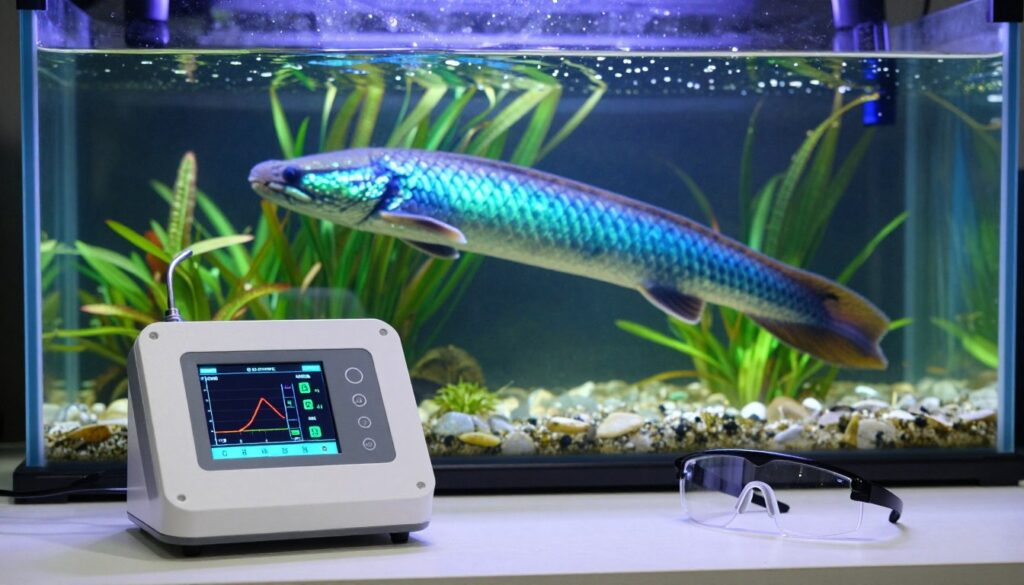
Accurate monitoring serves as the backbone of a successful aquatic environment for large predators like electric eels. Because these animals are sensitive to chemical shifts, you must rely on consistent data to keep them thriving. Implementing digital water testing methods provides the precision necessary to maintain stable conditions around the clock.
Digital Probes vs. Liquid Test Kits
Choosing the right tools depends on your need for speed and long-term reliability. Liquid test kits remain a staple for many keepers due to their low cost and lack of electronic failure points. However, they require manual effort and subjective color matching, which can lead to human error.
In contrast, digital water testing probes offer immediate, objective readings. While the initial investment is higher, the benefits include:
- Instant feedback on pH, temperature, and conductivity.
- Elimination of color-chart interpretation errors.
- Ability to track trends over time through logged data.
Automated Monitoring Systems
Modern technology allows for automated systems that act as a safety net for your tank. These devices continuously sample the water and send real-time alerts to your smartphone if parameters drift outside of safe ranges. This proactive approach prevents small issues from becoming life-threatening emergencies for your eel.
By integrating these systems, you gain peace of mind knowing that your water quality is under constant surveillance. Automated alerts ensure that you can intervene immediately, even when you are away from the facility. This level of oversight is essential for high-waste systems where chemical spikes can occur rapidly.
Calibration and Maintenance of Sensors
Even the most advanced equipment is only as good as its last calibration. Sensors naturally drift over time, which can lead to inaccurate data and poor decision-making. You must establish a strict schedule to verify the accuracy of your probes against reference solutions.
Regular maintenance is equally important to prevent biofilm buildup on the sensor tips. Follow these best practices to ensure long-term success:
- Calibrate pH and conductivity probes at least once a month.
- Clean sensor tips gently with soft brushes to remove organic debris.
- Replace aging probes according to the manufacturer’s recommended lifespan.
Consistent digital water testing and proper sensor care protect your investment and ensure the health of your electric eel. By prioritizing accuracy, you create a stable, predictable environment that supports the long-term vitality of your specimen.
Managing Ammonia and Nitrite Spikes
Sudden shifts in water chemistry can quickly turn a thriving aquarium into a dangerous environment. For large predators like electric eels, ammonia spikes represent a significant threat that requires immediate intervention. Understanding how to detect and neutralize these toxins is essential for maintaining a safe habitat.
Identifying Signs of Water Quality Stress
Electric eels often display subtle behavioral changes when water quality begins to decline. Owners should watch for lethargy, where the eel remains stationary for unusually long periods or refuses food. Erratic swimming patterns or frequent gasping at the surface are also clear indicators that the biological balance has been compromised.
Physical symptoms may include cloudy eyes or inflamed gills. If you notice these signs, perform a water test immediately to confirm the presence of toxic nitrogen compounds. Early detection is the most effective way to prevent long-term health complications.
“The stability of the nitrogen cycle is the heartbeat of any large-scale aquarium system. When that cycle falters, the keeper must act as the primary life-support system to restore balance.”
Emergency Response Procedures
When testing reveals dangerous levels of toxins, you must initiate an emergency response. Start by performing a partial water change of 25% to 50% using a high-quality dechlorinator. This dilution process helps lower the concentration of pollutants while providing fresh, oxygenated water.
Consider using a professional-grade water conditioner that temporarily binds ammonia and nitrites into a non-toxic form. Ensure that your aeration is set to maximum capacity, as high toxin levels often correlate with reduced oxygen availability. The following table outlines the necessary actions based on detected levels.
| Toxin Level | Severity | Required Action |
|---|---|---|
| 0.25 ppm | Low | Monitor daily and check filter |
| 0.50 ppm | Moderate | Perform 25% water change |
| 1.0+ ppm | Critical | Immediate 50% change and detoxify |
Long-term Prevention Strategies
Effective nitrite management relies on a stable and mature biological filter. Avoid overfeeding your eel, as excess waste is the primary driver of nitrogenous spikes. Regularly inspect your filtration media to ensure it remains free of debris and clogs.
Consistency is the key to long-term success in large aquarium maintenance. By establishing a strict schedule for water changes and filter cleaning, you create a buffer against potential system failures. Always keep a reliable test kit on hand to verify that your preventative measures are working as intended.
Substrate and Decor Impact on Water Chemistry
The physical environment inside an electric eel tank plays a critical role in maintaining long-term water stability. Every item introduced into the aquarium interacts with the water column, potentially altering its chemical profile. Selecting the right materials is essential for the health of your specimen.
Choosing Inert Substrates
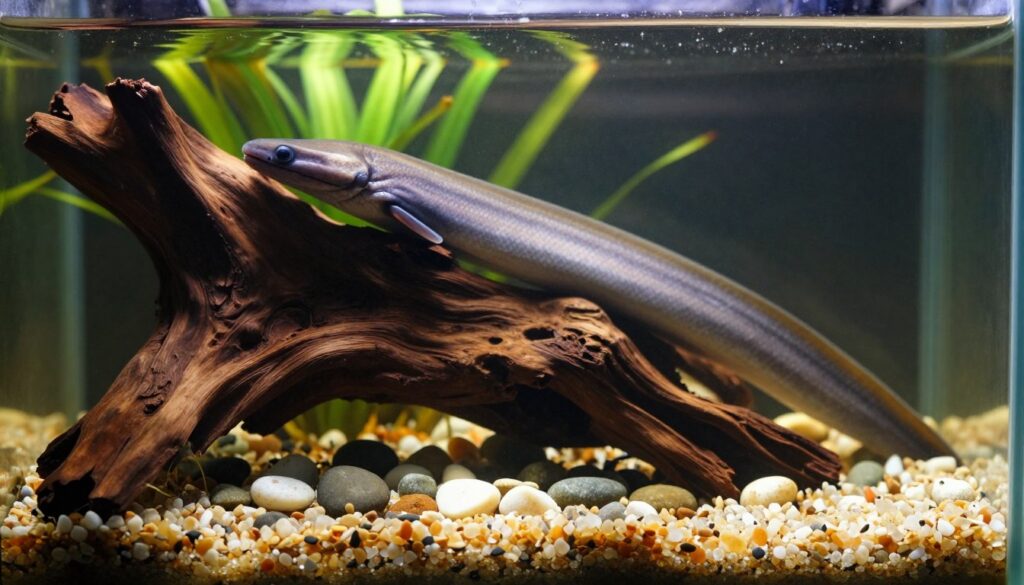
When setting up a habitat, you must prioritize an inert aquarium substrate that will not fluctuate the pH or hardness levels. Materials such as high-quality quartz sand or smooth, rounded river gravel are excellent choices. These materials remain chemically neutral, ensuring that your water parameters stay consistent over time.
Avoid crushed coral or limestone, as these will leach minerals and raise the water hardness significantly. A stable foundation allows you to manage the water chemistry with precision. Consistency is the key to preventing unnecessary stress for your eel.
The Influence of Driftwood and Tannins
Incorporating natural elements like driftwood can provide both aesthetic value and functional benefits. As wood breaks down, it releases driftwood tannins into the water. These organic compounds naturally lower the pH, creating a slightly acidic environment that mimics the eel’s native waters.
Beyond chemistry, these tannins offer a sense of security for the animal. They provide natural hiding spots and help reduce light penetration, which can keep the eel calm. Always ensure the wood is properly cured and cleaned before adding it to the tank.
Avoiding Toxic Decorations
Not all aquarium ornaments are safe for large, powerful fish. You must avoid any decorations that contain heavy metals, lead, or low-quality plastics that may leach toxins. Sharp or jagged edges can also cause severe injury to the eel’s sensitive skin during its movements.
Always verify that any decor is labeled as aquarium-safe. If you are unsure about a material, it is better to exclude it from the setup entirely. Safety should always be your primary concern when designing the interior of the tank.
| Material Type | Chemical Impact | Suitability |
|---|---|---|
| Quartz Sand | Neutral | High |
| Crushed Coral | Increases pH/Hardness | Low |
| Driftwood | Lowers pH (Tannins) | High |
| Painted Resin | Potential Leaching | Low |
Oxygenation and Surface Agitation
Proper oxygenation is a critical, yet often overlooked, component of electric eel husbandry. While these creatures are hardy, they require a stable environment to maintain their metabolic functions and overall vitality. Effective gas exchange at the surface prevents the buildup of harmful gases and ensures the water remains rich in life-sustaining elements.
The Importance of Dissolved Oxygen
Maintaining adequate dissolved oxygen levels is essential for the respiratory health of electric eels, especially in large, deep tanks. Without sufficient movement, water can become stagnant, leading to the formation of hypoxic zones where oxygen is depleted. Consistent circulation is the primary defense against these dangerous conditions.
“Water quality is the silent foundation upon which the health of every aquatic predator is built; ignore the oxygen, and you invite disaster.”
Air Stones and Powerhead Placement
To achieve uniform oxygen distribution, you must strategically position your equipment. Powerhead placement should be calculated to create a gentle, rolling current that pushes surface water toward the filtration intake. This movement forces oxygen-poor water to the top, where it can absorb fresh air.
Air stones provide an additional boost by creating bubbles that increase surface turbulence. When combined with proper flow, these tools ensure that no corner of the tank remains stagnant. Refer to the following guide for optimal equipment configuration:
| Equipment Type | Primary Function | Placement Strategy |
|---|---|---|
| Powerhead | Water Circulation | Mid-level, angled toward surface |
| Air Stone | Gas Exchange | Bottom corner, opposite filter |
| Spray Bar | Surface Agitation | Horizontal, just above water line |
Monitoring Oxygen Levels in Large Tanks
Monitoring is the final step in ensuring your eel remains active and healthy. In large volumes of water, oxygen can vary significantly between the bottom and the surface. Using digital probes allows for real-time tracking of dissolved oxygen levels, providing peace of mind for the dedicated keeper.
Regular observation of your eel’s behavior also serves as a vital diagnostic tool. If the animal appears lethargic or spends excessive time gasping at the surface, adjust your powerhead placement immediately to increase flow. Proactive maintenance remains the most effective strategy for long-term success in captive care.
Conclusion
Managing water parameters for electric eels remains a continuous process that demands diligence and deep knowledge. Success in this specialized field relies on your ability to integrate robust filtration with precise environmental control.
Prioritizing stable water chemistry creates a foundation where these unique creatures can thrive. Using reliable equipment from brands like Eheim or Fluval helps maintain the high standards required for such sensitive aquatic life.
Ethical feeding practices and proactive maintenance schedules serve as the pillars of responsible husbandry. Consistent monitoring of your system ensures that potential issues are addressed before they impact the health of your specimen.
Your commitment to these practices transforms the challenge of eel care into a rewarding experience. Share your progress with fellow enthusiasts to build a stronger community focused on excellence in aquarium management.
Engage with local experts or specialized forums to refine your techniques further. Continued learning remains the best path toward achieving mastery in the complex world of electric eel keeping.