
Have you ever considered that a small creature crawling near your office entrance could pose a genuine safety risk to your employees? While many arthropods are harmless, some carry hidden dangers that can disrupt your daily operations. Business owners must remain vigilant about the local environment to protect their staff and maintain a professional reputation.
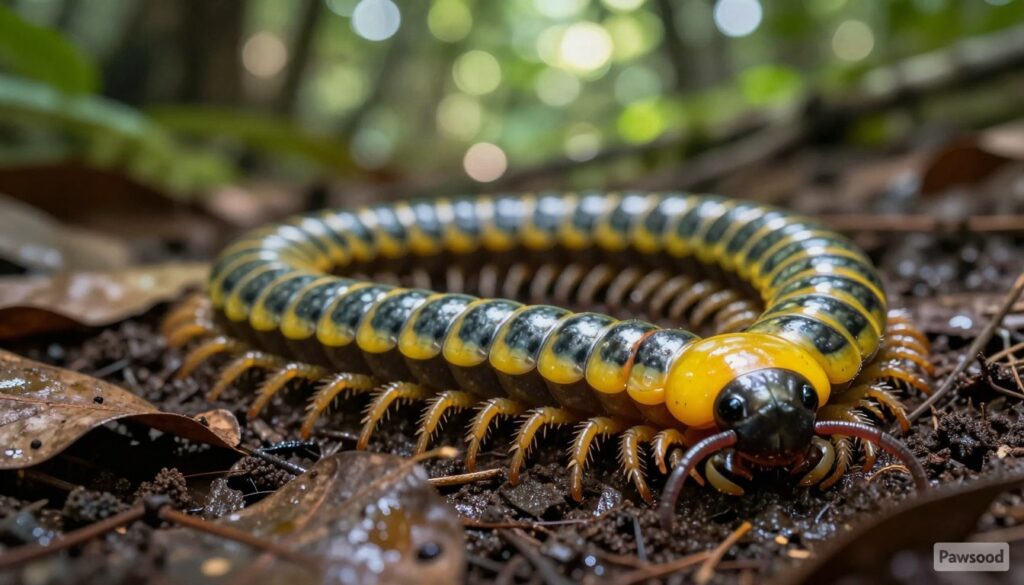
The yellow-spotted variety, known scientifically as Harpaphe haydeniana, is one such concern. This toxic millipede species is famous for its ability to exude hydrogen cyanide when it feels threatened. Encountering this organism unexpectedly can lead to unnecessary workplace anxiety or health concerns.
Proactive knowledge serves as your best defense against these biological hazards. By identifying potential threats early, you ensure a safer workspace for everyone. Understanding how to manage these encounters allows you to focus on what matters most: growing your business with confidence.
Key Takeaways
- Identify common arthropod threats to maintain a safe workplace environment.
- The yellow-spotted variety releases hydrogen cyanide as a natural defense mechanism.
- Proactive facility management prevents unexpected biological hazards from impacting staff.
- Knowledge of local wildlife helps business owners mitigate potential liability risks.
- Prioritizing safety protocols fosters a secure and professional atmosphere for employees.
Understanding the Risks of the Toxic Millipede Species
The presence of a toxic millipede species can transform a simple pest issue into a significant liability for your facility. While these arthropods are generally not lethal to humans, their chemical secretions create genuine health concerns. Business owners must recognize that these creatures are not merely a nuisance but a potential hazard to employees and visitors alike.
Why Business Owners Must Be Vigilant
Maintaining a safe environment requires proactive awareness of the risks posed by poisonous millipedes. When these arthropods enter a building, they often seek dark, damp areas where staff might accidentally come into contact with them. Such encounters can lead to skin irritation or allergic reactions, which may result in workplace safety claims.
Vigilance is your best defense against these hidden threats. By understanding that these pests are often triggered by environmental disturbances, you can better manage your facility’s perimeter. Taking early action prevents the accidental exposure that often occurs during routine maintenance or cleaning tasks.
The Biological Defense Mechanisms of Millipedes
The primary danger associated with these arthropods lies in their sophisticated millipede defense mechanisms. When threatened, many species secrete chemicals such as hydrogen cyanide or hydrochloric acid to deter predators. These millipede toxins can cause significant discomfort if they come into contact with human skin or eyes.
It is important to note that some species can spray their toxins several feet away when they detect a threat. This ability to project chemicals makes them particularly unpredictable during human interaction. The following table outlines the key characteristics of these defense behaviors to help you assess the level of risk in your workspace.
| Defense Type | Chemical Agent | Risk Level |
|---|---|---|
| Passive Secretion | Hydrochloric Acid | Moderate (Skin Irritation) |
| Active Spraying | Hydrogen Cyanide | High (Eye/Respiratory) |
| Physical Coiling | Protective Exoskeleton | Low (Physical Contact) |
Identifying Dangerous Millipedes in Your Workspace
Protecting your staff and clients begins with the ability to distinguish between harmless insects and potentially dangerous millipedes. Accurate identification serves as the cornerstone of effective pest management and safety planning for any commercial facility. By learning to spot these creatures early, you can implement targeted strategies to mitigate risks before they escalate into a larger problem.
Physical Characteristics to Watch For
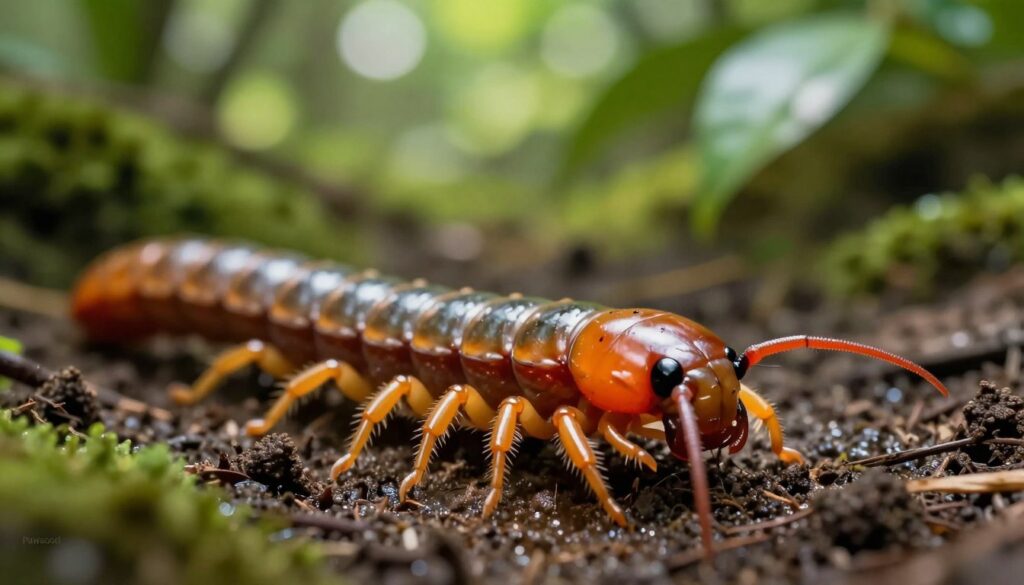
The most reliable way to identify these arthropods is by examining their leg structure. Unlike centipedes, which have one pair of legs per body segment, millipedes possess two pairs of legs per body segment. This unique biological feature is a primary indicator that you are dealing with a millipede rather than a faster, predatory centipede.
While many species are harmless, some poisonous millipedes can secrete irritating chemicals when threatened. These secretions may cause skin rashes or eye irritation if handled improperly. Always encourage your maintenance team to use caution when they encounter insects with this distinct, multi-legged appearance.
Geographic Distribution in the United States
Certain regions of the United States experience higher activity levels for these pests due to climate and soil conditions. The Southeast and Pacific Northwest are particularly prone to infestations because of their higher humidity levels. Business owners in these areas should remain especially vigilant during warmer, wetter months when these arthropods are most active.
Common Habitats and Infestation Signs
These creatures thrive in dark, damp environments where organic matter is abundant. You will often find them hiding under mulch, leaf litter, or near structural foundations that retain moisture. If you notice a sudden increase in their presence, it is a clear sign that your facility may have an underlying moisture issue.
Look for signs such as clusters of insects near doorways or in basement areas. Proactive monitoring of these high-risk zones allows you to address potential entry points effectively. Keeping your facility dry and well-sealed is the best defense against an unwanted infestation.
Step One: Assessing Your Facility for Potential Hazards
Maintaining a professional environment starts with identifying the hidden factors that attract unwanted visitors. A comprehensive facility assessment serves as the foundation for any effective pest prevention strategy. By systematically reviewing your property, you can proactively mitigate risks before they escalate into significant operational disruptions.
Conducting a Thorough Perimeter Inspection
The first phase of your assessment involves a detailed walk-around of the building exterior. You should look for structural gaps, cracks in the foundation, or loose door sweeps that could allow dangerous millipedes to enter. These small openings often serve as primary highways for pests seeking shelter from changing weather conditions.
Pay close attention to areas where utility lines enter the building. Even minor gaps around pipes or electrical conduits can provide enough space for a harmful millipede species to infiltrate your workspace. Sealing these entry points is a simple yet highly effective way to fortify your facility against unwanted guests.
Identifying Moisture Sources That Attract Arthropods
Millipedes thrive in dark and humid environments, making moisture control a critical component of your strategy. You must inspect your drainage systems, downspouts, and irrigation lines for leaks or standing water. Eliminating these damp zones significantly reduces the appeal of your property to various pests.
“Prevention is not merely about reacting to an infestation; it is about creating an environment where pests find no reason to stay.”
Check for areas where water pools near the foundation after rainfall. Proper grading and functional gutters are essential to keep the immediate perimeter dry. By managing these moisture sources, you effectively remove the primary attractants that draw dangerous millipedes to your structure.
Evaluating Landscaping and Exterior Storage Areas
Your landscaping choices and storage habits play a major role in pest management. Millipedes often hide under debris such as leaves, decaying wood, and mulch. Keeping these materials away from the building exterior is vital for maintaining a secure perimeter.
Review your exterior storage areas to ensure that items are elevated off the ground. Stacks of wood or cardboard provide the perfect habitat for a harmful millipede species to establish a colony near your facility. The following table outlines common risk factors that require your immediate attention.
| Risk Factor | Impact Level | Recommended Action |
|---|---|---|
| Leaf Litter | High | Clear debris weekly |
| Mulch Beds | Medium | Maintain 12-inch gap |
| Wood Piles | High | Store off the ground |
| Standing Water | Critical | Repair drainage issues |
Step Two: Implementing Immediate Safety Protocols
When dealing with potentially dangerous pests, a structured safety plan serves as your first line of defense. Establishing clear protocols ensures that your team remains prepared to handle encounters with harmful millipede species without compromising their health or productivity. By standardizing these actions, you create a resilient work environment that prioritizes employee well-being.
Personal Protective Equipment Requirements
Equipping your staff with the right gear is the most effective way to prevent direct contact with toxins. Employees working in areas where these arthropods are common should always wear appropriate barriers. Consistency is key to maintaining a safe facility.
- Heavy-duty gloves: Essential for handling debris or moving materials.
- Long-sleeved uniforms: Provide a necessary layer of skin protection.
- Closed-toe footwear: Prevents accidental contact during outdoor maintenance.
Safe Handling Procedures for Staff
Even with proper gear, accidents can happen. If a staff member accidentally touches a millipede and develops blisters, they must wash the affected skin with warm water and regular soap immediately. This simple action significantly reduces the risk of a severe reaction.
“Preparation is the difference between a minor incident and a major workplace disruption. Safety is not just a policy; it is a commitment to your people.”
Staff should be trained to avoid crushing these creatures, as the defensive secretions are often released upon impact. Instead, use tools like long-handled brushes or dustpans to relocate them safely. Always encourage employees to report sightings to management immediately to keep the facility secure.
Establishing Exclusion Zones
Identifying high-risk areas allows you to restrict access during peak activity times. By marking these zones, you prevent unnecessary exposure to venomous millipedes while maintenance or cleaning tasks are underway. Clear signage and physical barriers are highly effective tools for this purpose.
| Zone Type | Risk Level | Action Required |
|---|---|---|
| Perimeter Entry | Moderate | Weekly Inspection |
| Storage Areas | High | Daily Monitoring |
| Landscaping | High | Restricted Access |
Step Three: Professional Pest Management Strategies
Professional pest management serves as the backbone of a secure and compliant business environment. Relying on specialized experts ensures that your facility remains protected against toxic arthropods that could compromise employee safety. A structured approach minimizes risks while maintaining a professional atmosphere for your clients and staff.
Selecting Licensed Pest Control Services
Not all pest control providers possess the specific training required to handle venomous millipedes. When vetting potential partners, prioritize companies that demonstrate deep knowledge of local species and their unique behavioral patterns. A qualified service provider should offer a detailed assessment of your property before proposing any treatment plan.
Always verify that your chosen contractor holds current state licenses and insurance. Ask for references from other commercial clients to ensure they have experience managing large-scale facilities. Expertise is your best defense against recurring infestations.
Integrated Pest Management Approaches
Integrated Pest Management (IPM) focuses on long-term prevention through a combination of techniques. Rather than relying solely on reactive sprays, this strategy emphasizes habitat manipulation and biological control. By altering the environment, you make your facility less attractive to pests.
- Sanitation: Removing debris and organic matter that provides food or shelter.
- Exclusion: Sealing cracks and gaps to prevent entry.
- Monitoring: Using traps to track population levels and identify hotspots.
Chemical vs. Non-Chemical Control Methods
Choosing the right method depends on the severity of the infestation and the sensitivity of your work environment. The following table outlines the core differences between these approaches when dealing with toxic arthropods.
| Method Type | Primary Focus | Best Used For |
|---|---|---|
| Non-Chemical | Prevention & Exclusion | Long-term maintenance |
| Chemical | Targeted Elimination | Active, high-risk outbreaks |
| Combined | Balanced Strategy | Comprehensive protection |
Effective control of venomous millipedes often requires a hybrid strategy. By combining physical barriers with targeted, low-toxicity treatments, you create a robust safety net. This professional approach ensures your business remains a safe, productive space for everyone involved.
Step Four: Training Employees on Arthropod Safety
Empowering employees with specific safety knowledge transforms your facility into a secure environment. When staff members understand the risks posed by toxic arthropods, they become active participants in maintaining a safe workspace. Consistent education ensures that everyone remains vigilant and prepared for unexpected encounters.
Developing a Workplace Safety Manual
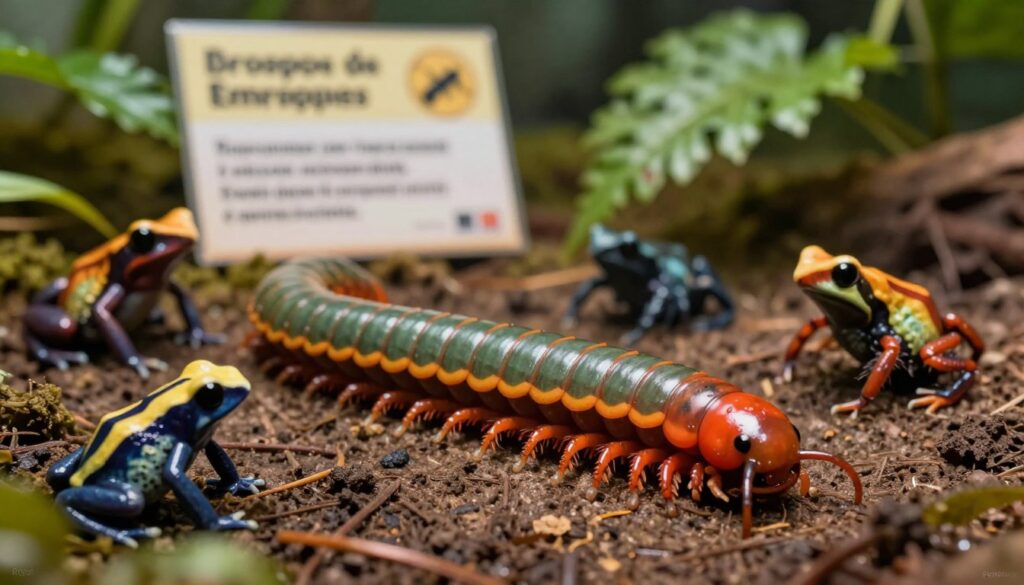
A comprehensive safety manual serves as the foundation for your risk management strategy. This document should clearly explain the unique millipede defense mechanisms that can cause harm to humans. By providing visual aids and clear descriptions, you help your team distinguish between harmless insects and those that require caution.
Ensure the manual is accessible to all departments, especially those working in outdoor or high-moisture areas. Regular updates to this manual will keep your safety protocols aligned with current environmental conditions. It is vital that every employee reads and acknowledges these guidelines upon hiring.
Recognizing Symptoms of Toxin Exposure
Early detection of exposure is critical for preventing long-term skin irritation. Employees must be trained to identify the physical signs that occur after contact with toxic arthropods. Common symptoms include blisters, skin redness, and rashes that appear shortly after handling or brushing against these creatures.
Staff should also be aware of sensations like intense itching or burning on the skin. If an employee reports these symptoms, it is essential to treat the situation with professional care. Quick identification allows for faster intervention and reduces the risk of secondary infections.
Emergency Response and First Aid Procedures
Your safety protocols must outline immediate steps to take if an incident occurs. The primary goal is to neutralize the chemicals released by millipede defense mechanisms before they penetrate the skin deeply. Washing the affected area thoroughly with soap and water is the most effective first step.
Encourage staff to remove any contaminated clothing immediately to prevent further contact. If symptoms persist or appear severe, the protocol should mandate seeking professional medical assistance without delay. By establishing these clear procedures, you provide your team with the confidence to act decisively during an emergency.
Step Five: Long-Term Prevention and Facility Maintenance
Sustaining a pest-free environment demands consistent attention to structural details and moisture control. By integrating these practices into daily operations, businesses can maintain a clean, dry, and safe workspace for their employees and clients.
Sealing Entry Points and Structural Gaps
The first line of defense involves securing the building envelope against unwanted intruders. Small gaps around doors, windows, and utility conduits serve as primary access points for pests.
Using high-quality sealants and weather stripping prevents these creatures from finding a way inside. Regular inspections of the foundation and exterior walls ensure that any new cracks are addressed before they become major issues. Protecting your staff from potential exposure to millipede toxins starts with these simple, structural improvements.
Managing Humidity and Drainage Systems
Millipedes will quickly die without moisture, so maintaining low humidity levels is a primary preventative measure. Excess water near the foundation often creates an inviting habitat for these arthropods.
Ensure that all gutters and downspouts direct water away from the building structure. Installing dehumidifiers in basements or crawl spaces can further reduce the appeal of your facility to pests. A dry environment is inherently less hospitable to those seeking shelter from the elements.
Routine Monitoring and Reporting Systems
Establishing a consistent monitoring schedule allows for the early detection of moisture issues or pest activity. Employees should be encouraged to report any signs of dampness or sightings of deadly millipedes immediately.
Implementing a digital or paper-based logbook helps management track trends over time. This data-driven approach ensures that maintenance teams can respond to potential threats before they escalate into full-scale infestations.
| Maintenance Task | Frequency | Primary Benefit |
|---|---|---|
| Seal exterior gaps | Quarterly | Prevents entry |
| Clear drainage paths | Monthly | Reduces moisture |
| Inspect interior zones | Weekly | Early detection |
| Check humidity levels | Monthly | Deters infestation |
Legal and Liability Considerations for Business Owners
When pests like deadly millipedes enter your workspace, the legal implications for business owners become a critical concern. Operating a facility requires more than just meeting production goals; it demands a proactive approach to risk management. Failing to address environmental hazards can lead to significant legal exposure and financial strain.
Duty of Care and Employee Safety Regulations
Business owners hold a fundamental duty of care to provide a safe environment for both employees and visitors. This legal obligation requires that you identify and mitigate potential hazards, including the presence of dangerous arthropods. Under standard safety regulations, negligence in maintaining a pest-free facility can result in costly litigation.
“The safety of the workplace is not merely a suggestion; it is the bedrock upon which a sustainable and ethical business is built.”
Documenting Safety Compliance for Insurance
Maintaining detailed records of your safety protocols is essential for protecting your business assets. If an incident involving deadly millipedes occurs, your documentation serves as primary evidence of your due diligence. Insurance providers often require proof of regular inspections and professional pest management to validate claims.
Ensure that your facility logs include dates of service, identified risks, and the specific actions taken to resolve them. This level of transparency simplifies audits and strengthens your position during insurance negotiations. Consistent record-keeping is your best defense against claims of negligence.
Managing Public Perception and Facility Reputation
Your brand reputation is one of your most valuable assets, and it can be damaged quickly by reports of unsafe conditions. Proactively managing the threat of deadly millipedes demonstrates that you prioritize the well-being of your community. When you communicate your safety standards clearly, you build trust with clients and stakeholders.
Transparency regarding your pest management strategies helps maintain a positive public image. By treating safety as a core business value, you minimize risks while fostering a culture of excellence. Protecting your reputation starts with taking decisive action before a crisis occurs.
Conclusion
Managing the risks posed by toxic millipedes requires a commitment to consistent facility oversight. Business owners who prioritize proactive assessments and staff training create a safer environment for everyone. These steps protect your physical assets and your professional reputation.
Effective pest management relies on the integration of structural maintenance and clear safety protocols. By sealing entry points and controlling moisture, you reduce the likelihood of infestations. These habits form the foundation of a resilient safety strategy that supports long-term operational success.
Your dedication to high standards of workplace safety sets a benchmark for excellence in your industry. Use the insights provided here to refine your current procedures and ensure your team remains prepared. A secure workspace allows you to focus on growth while minimizing potential liabilities.
Take action today to audit your facility and implement these essential safeguards. Consistent monitoring and reporting systems will keep your business protected against future threats. Your proactive approach remains the best defense for maintaining a productive and safe environment.