
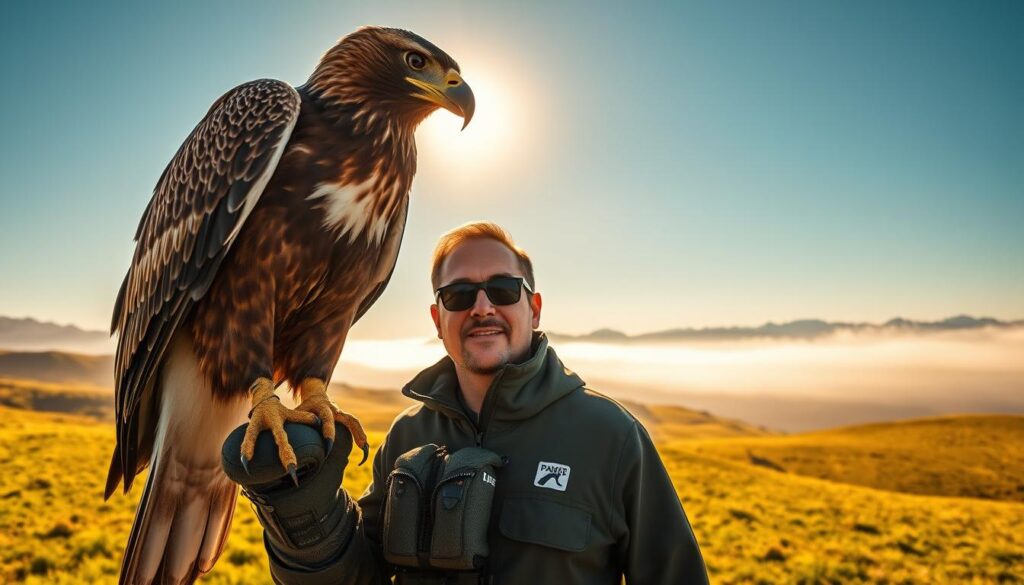
Have you ever wondered if the majesty of a wild raptor can truly be contained within the boundaries of human life? Many enthusiasts dream of a deep connection with these apex predators, yet few understand the immense gravity of such a commitment.
Eagle ownership is not a casual hobby for the faint of heart. It is a profound professional responsibility that demands years of specialized training and unwavering dedication to animal welfare.
In the United States, the legal and ethical landscape surrounding these birds is strictly regulated to ensure their protection. Before you consider the path of raptor stewardship, you must recognize that this pursuit requires a lifestyle shift rather than a simple acquisition. This guide provides the foundational knowledge necessary to navigate the complexities of eagle ownership with integrity and expert care.
Key Takeaways
- Eagle stewardship is a serious professional commitment, not a casual hobby.
- Strict legal regulations govern the keeping of raptors in the United States.
- Prospective owners must prioritize the ethical welfare of the bird above all else.
- Extensive training and specialized knowledge are required before starting this journey.
- Success in this field demands significant time, resources, and dedication.
The Legal Reality of Eagle Ownership
Understanding the legal landscape of raptor possession requires a shift in perspective from traditional property concepts. Unlike common household pets or livestock, eagles are subject to stringent federal oversight that supersedes standard asset ownership models. Prospective handlers must recognize that these birds are protected by national mandates rather than being treated as personal property.
Federal Protections and the Bald and Golden Eagle Protection Act
The Bald and Golden Eagle Protection Act serves as the primary pillar of conservation for these species in the United States. This legislation prohibits the possession, sale, or transport of eagles without specific federal authorization. Compliance is not optional; it is a fundamental requirement for anyone interacting with these birds.
Violating these federal statutes can lead to severe legal consequences, including heavy fines and imprisonment. The law ensures that these apex predators remain protected from commercial exploitation and private harm. Consequently, the government maintains strict control over every individual bird within the country.
Distinguishing Between Private Ownership and Custodial Care
Many individuals mistakenly equate the care of a raptor with real estate ownership or other forms of tangible property. In reality, legal ownership of an eagle is held by the federal government, not the individual handler. You are essentially acting as a steward rather than an owner.
Because the government retains ultimate authority, the concept of equitable ownership is effectively non-existent for private citizens. You cannot buy, sell, or trade these birds as you would other assets. Instead, your role is limited to providing authorized care under strict regulatory supervision.
The Role of Wildlife Rehabilitation and Educational Permits
To interact with eagles legally, one must operate under specific permits issued by the U.S. Fish and Wildlife Service. These permits are generally reserved for wildlife rehabilitation centers or educational institutions that meet rigorous standards. They provide a narrow pathway for individuals to house birds for the purpose of public awareness or medical recovery.
These permits are strictly monitored and require detailed record-keeping to ensure the bird’s welfare. If you wish to work with eagles, you must demonstrate a clear commitment to conservation and education. Maintaining these credentials requires ongoing adherence to federal guidelines and periodic inspections by wildlife authorities.
Understanding Federal Permits and Regulations
Establishing a clear path for legal bird management begins with mastering federal and state regulatory frameworks. Compliance is not merely a suggestion but a mandatory requirement for anyone involved in the care of protected raptors. By adhering to these standards, you protect both the birds and your professional reputation.
Navigating the U.S. Fish and Wildlife Service Requirements
The U.S. Fish and Wildlife Service (USFWS) oversees the management of migratory birds through a rigorous permitting system. Applicants must demonstrate that their facilities and experience meet specific federal benchmarks. Proper authorization is the first step toward legitimate involvement in raptor care.
Prospective handlers should prepare for detailed background checks and site inspections. These measures ensure that every individual understands the gravity of their ownership responsibilities. Maintaining active communication with regional USFWS offices helps clarify evolving policy changes.
Documentation and Ownership Transfer Protocols
Accurate record-keeping serves as the backbone of your legal standing. Maintaining comprehensive ownership documentation is essential to prove the origin and legal status of every bird in your care. This practice prevents any potential ownership dispute that could arise during audits or inspections.
When a bird moves between facilities, the process of ownership transfer must be documented with precision. Both parties must sign the necessary federal forms to ensure a seamless transition. This transparency protects all stakeholders involved in the exchange.
Compliance with State-Level Wildlife Statutes
Federal permits provide the baseline, but state-level wildlife statutes often impose additional requirements. You must verify that your operations align with local laws to avoid any ownership dispute regarding regional protected species. Failure to reconcile these two levels of government can lead to significant legal complications.
Consulting with state wildlife agencies is a proactive way to ensure full ownership compliance. These agencies often provide specific guidelines that complement federal mandates. By integrating these requirements, you create a robust system for ownership transfer and long-term management.
| Regulatory Level | Primary Focus | Key Requirement |
|---|---|---|
| Federal (USFWS) | Species Protection | Permit Application |
| State Agency | Local Conservation | Facility Inspection |
| Internal Records | Legal Compliance | Ownership Documentation |
The Path to Becoming a Licensed Falconer
Becoming a licensed falconer is a journey that transforms a hobbyist into a skilled steward of raptors. This process requires dedication, patience, and a genuine respect for the biological needs of birds of prey. Before you can legally house or train a raptor, you must navigate a structured regulatory framework designed to ensure the welfare of the animal.
Apprenticeship Requirements for Raptor Handling
The cornerstone of your training is the apprenticeship phase. You are required to find a licensed general or master falconer who is willing to serve as your mentor for at least two years. This hands-on experience is vital for learning the nuances of daily care, housing, and safe handling techniques.
During this period, your mentor provides guidance on everything from equipment construction to hunting ethics. You will learn how to read the bird’s body language and manage its health effectively. This mentorship ensures that you gain the practical skills necessary to maintain a healthy, thriving raptor.
Passing State and Federal Falconry Examinations
Theoretical knowledge is just as important as field experience. Candidates must pass a comprehensive state examination that covers raptor biology, federal and state laws, and proper husbandry practices. These tests are designed to ensure that every licensed individual understands the legal and ethical responsibilities of the sport.
Once you pass the state exam, you must ensure your facilities meet the specific requirements set by the U.S. Fish and Wildlife Service. Compliance is non-negotiable, as these regulations protect both the birds and the public. Successfully passing these hurdles demonstrates your commitment to the high standards of the falconry community.
Building a Professional Network in the Raptor Community
The falconry community is a tight-knit group that values shared knowledge and mutual support. Engaging with local clubs and national organizations allows you to stay updated on best practices and regulatory changes. Building these relationships often leads to invaluable mentorship opportunities that extend well beyond your initial apprenticeship.
Networking also helps you source ethical equipment and reliable food supplies. By participating in regional meets and workshops, you contribute to the collective expertise of the community. This professional network serves as a safety net, providing resources and advice throughout your career as a falconer.
| License Level | Required Experience | Primary Focus | Mentorship Status |
|---|---|---|---|
| Apprentice | 0-2 Years | Basic Husbandry | Required |
| General | 2-5 Years | Advanced Training | Independent |
| Master | 5+ Years | Conservation/Mentoring | Mentor |
Essential Habitat and Housing Requirements
Creating a suitable living space is the most critical step in responsible raptor stewardship. A well-designed facility serves as the foundation for the health and longevity of any bird of prey. By prioritizing structural integrity and biological comfort, you ensure that your raptor thrives in a captive environment.
Designing Compliant Mews and Flight Pens
The primary housing unit for a raptor is known as a mew, which provides a sheltered area for rest and protection. These structures must be built with durable, non-toxic materials that prevent injury to the bird’s feathers and talons. It is vital to incorporate enough space for the bird to stretch its wings fully without touching the walls.
Flight pens are equally important for maintaining the physical conditioning of the raptor. These areas should be designed to allow for short, controlled flights that mimic natural movement. Always ensure that the flooring is easy to clean and provides proper drainage to prevent the buildup of bacteria or moisture.
Environmental Controls for Raptor Health
Raptors are highly sensitive to their surroundings, making environmental control a top priority for any owner. Your facility must offer protection from extreme weather conditions, including harsh sunlight, heavy rain, and freezing temperatures. Proper ventilation is essential to maintain air quality while preventing drafts that could lead to respiratory issues.
Stress reduction is another key component of a healthy habitat. By positioning the enclosure in a quiet area away from high-traffic zones, you help the bird feel secure and undisturbed. Consistent lighting cycles also play a significant role in regulating the bird’s natural biological rhythms.
Safety Standards for Enclosure Security
Security is the final pillar of effective raptor housing. Every enclosure must feature double-door entry systems to prevent accidental escapes during feeding or cleaning. These systems act as a safety buffer, ensuring that the bird remains contained even if one door is left open.
Furthermore, you must implement robust locking mechanisms to prevent unauthorized access by humans or predators. Regularly inspect all wire mesh and structural joints for signs of wear or damage. Maintaining a secure perimeter is not just a regulatory requirement; it is a fundamental duty to the safety of the animal and the surrounding community.
Nutritional Needs and Dietary Management
Feeding a bird of prey is far more than a simple task; it is a precise science that dictates the animal’s overall well-being. Providing the correct nutrients ensures that these magnificent creatures maintain their natural vigor and longevity. Precision in the kitchen translates directly to performance in the field.
Sourcing Ethical and Safe Food Supplies
The foundation of a healthy diet lies in the quality of the food provided. Raptors require whole-prey items to receive the essential vitamins, minerals, and roughage found in their natural diet. Sourcing from reputable suppliers who prioritize disease-free and chemical-free carcasses is non-negotiable for responsible owners.
Avoid feeding meat that has been treated with preservatives or medications, as these can be toxic to raptors. Always verify the source of your supply to ensure it meets strict safety standards. Maintaining a clean supply chain prevents the introduction of harmful pathogens into your bird’s environment.
“The greatness of a nation and its moral progress can be judged by the way its animals are treated.”
Establishing a Balanced Feeding Schedule
Consistency is the key to metabolic health for any bird of prey. Establishing a structured feeding schedule helps regulate the bird’s digestion and keeps its energy levels stable throughout the day. Most raptors thrive when fed at specific times that mimic their natural hunting cycles.
Adjust the frequency and volume of food based on the bird’s activity level and the current season. During colder months, birds may require slightly higher caloric intake to maintain body temperature. Always ensure that fresh water is available alongside their meals to support proper hydration.
Monitoring Weight and Body Condition
Regular weight monitoring is the most effective way to track a raptor’s health status. Using a high-precision digital scale allows you to detect subtle changes before they become serious medical issues. Maintaining an ideal weight is critical for preventing common nutritional deficiencies and obesity-related complications.
Beyond the scale, perform visual checks of the bird’s keel and muscle tone. A healthy raptor should display a well-rounded breast profile without excessive fat deposits or signs of emaciation. If you notice sudden fluctuations, consult with an avian specialist immediately to adjust the dietary plan accordingly.
Veterinary Care and Health Monitoring
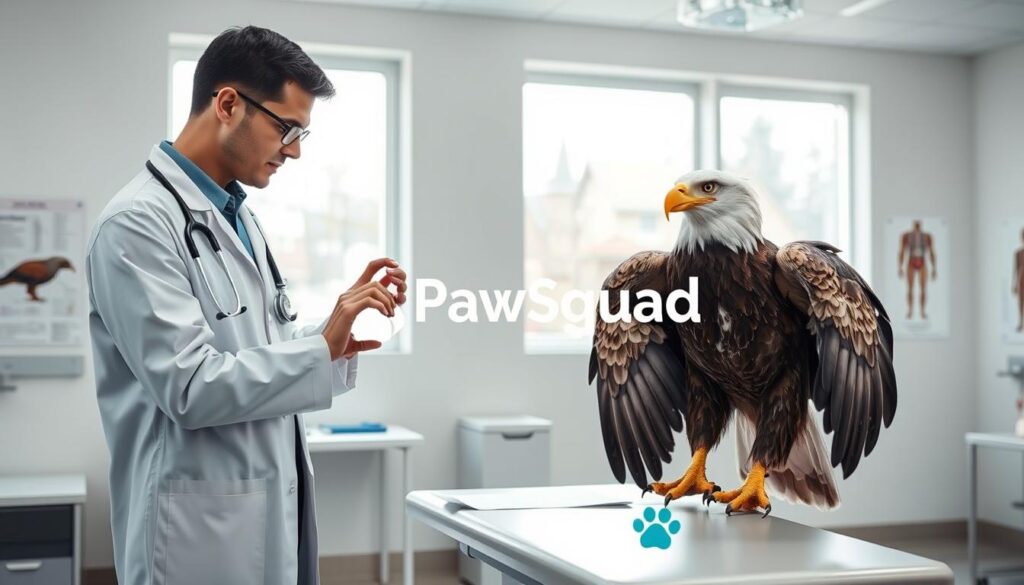
Proper medical oversight is the cornerstone of responsible bird of prey stewardship. Because these animals possess unique physiological traits, standard veterinary practices are often insufficient. Owners must prioritize a proactive approach to ensure their raptor remains in peak condition throughout its life.
Finding an Avian Specialist Veterinarian
Not every clinic is equipped to handle the specific needs of a raptor. You should seek a veterinarian who is board-certified in avian medicine or has extensive experience with birds of prey. Building a relationship with a specialist before an emergency occurs is a vital step for any owner.
When interviewing potential clinics, ask about their experience with raptor-specific anesthesia and diagnostic imaging. A qualified professional will understand the nuances of handling these powerful birds safely. They should also be familiar with the legal requirements regarding the treatment of protected species.
Routine Health Screenings and Parasite Control
Preventative care is far more effective than reactive treatment. Regular health screenings allow you to establish a baseline for your bird’s normal weight, behavior, and physical appearance. These check-ups should include blood work and fecal analysis to detect hidden issues early.
Parasite control is another critical component of your maintenance schedule. Raptors are susceptible to both internal and external parasites that can quickly compromise their immune systems. Work closely with your veterinarian to develop a safe and effective protocol for deworming and pest management.
Recognizing Signs of Illness in Raptors
Birds of prey are masters at masking discomfort, which is a survival instinct in the wild. You must learn to observe subtle changes in your bird’s daily routine to catch illness early. Vigilance is your best tool for preventing minor issues from becoming life-threatening emergencies.
Common indicators of health decline include changes in appetite, lethargy, or unusual posture. If your bird shows signs of respiratory distress or changes in droppings, contact your specialist immediately. The following table outlines key areas to monitor during your daily observations.
| Observation Area | Healthy Indicator | Warning Sign |
|---|---|---|
| Appetite | Consistent daily intake | Refusal of food or lethargy |
| Droppings | Clear urates and firm feces | Discoloration or watery consistency |
| Posture | Alert and upright stance | Drooping wings or hunched back |
| Respiration | Quiet and rhythmic breathing | Open-mouth breathing or clicking |
Training Techniques for Raptors
The journey toward successful raptor training begins with building a foundation of mutual respect. This process is rooted in patience, consistency, and the application of positive reinforcement. By understanding the natural instincts of these birds, handlers can create a safe and productive environment for both parties.
Establishing Trust Through Positive Reinforcement
Trust is the cornerstone of any relationship between a human and a bird of prey. Handlers utilize positive reinforcement to encourage desired behaviors, such as stepping onto a glove or remaining calm during handling. When a bird associates the handler with rewards, it becomes more willing to engage in training exercises.
“The secret to working with raptors is not dominance, but the quiet art of persuasion and the steady hand of a patient mentor.”
Punishment has no place in this delicate process. Instead, focus on rewarding small successes to build the bird’s confidence. This approach ensures that the raptor feels secure and motivated throughout the learning experience.
Manning and Weight Management Strategies
Manning is the essential process of acclimating a bird to human presence and the surrounding environment. This involves spending significant time with the raptor, allowing it to become comfortable with the sights and sounds of human activity. Proper manning is vital for reducing stress and preventing defensive reactions.
Weight management serves as a critical tool for maintaining the bird’s focus during training sessions. By carefully monitoring the bird’s body condition, handlers ensure the raptor remains attentive without compromising its health. This strategy requires precise record-keeping and a deep understanding of the individual bird’s metabolic needs.
Developing Flight and Recall Skills
Once a strong bond is established, the focus shifts to developing flight and recall skills. These exercises are vital for the bird’s physical health and mental stimulation. Handlers typically start with short distances, gradually increasing the length of the flight as the bird gains confidence.
Recall training is a safety imperative that allows the handler to bring the bird back to the glove on command. Consistent practice in a controlled environment helps the raptor master these maneuvers. Ultimately, these skills provide the bird with the freedom to exercise while ensuring it remains under the handler’s guidance and protection.
Capturing Wildlife Moments with Professional Gear
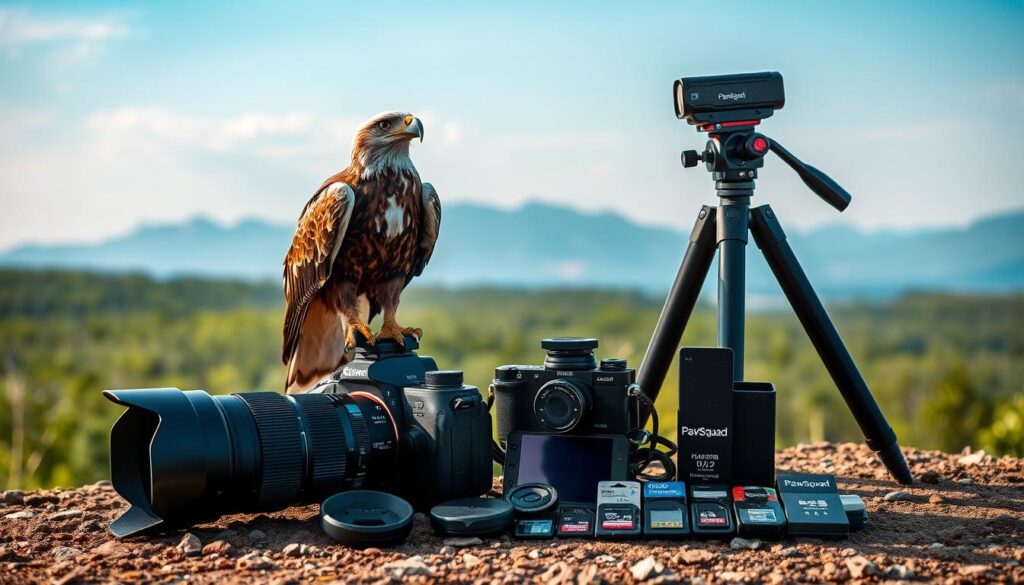
Documenting the majestic presence of raptors requires a blend of patience and high-performance technology. When you aim to photograph these birds, your choice of a wildlife moments camera directly impacts the quality of your work. Success in the field depends on your ability to react quickly to fast-moving subjects while maintaining image clarity.
Selecting the Right Wildlife Camera Equipment
Reliable wildlife camera equipment is the foundation of any successful photography session. You should prioritize bodies that offer high frame rates and advanced autofocus tracking systems. These features allow you to lock onto a raptor in flight, ensuring that your shots remain sharp even during rapid movement.
Investing in a camera with a robust buffer is equally important for long bursts of action. This prevents the system from lagging when you need to capture a sequence of hunting or landing behaviors. Consistency is the hallmark of professional gear, providing you with the confidence to focus on the subject rather than the settings.
Mastering Lens Selection for Bird Photography
The lens is arguably the most critical component of your kit. For raptors, a telephoto lens with a focal length of at least 400mm is generally recommended to maintain a safe distance. This distance is vital for capturing wildlife moments without causing stress or behavioral changes in the bird.
A wide aperture, such as f/2.8 or f/4, helps you isolate the subject from complex backgrounds. This creates a pleasing bokeh effect that draws the viewer’s eye directly to the raptor. Precision in your lens choice allows for detailed imagery that captures the intricate textures of feathers and the intensity of the bird’s gaze.
Utilizing Tripods and Blinds for Stealth
Stability is non-negotiable when working with long lenses. A sturdy tripod eliminates camera shake, which is essential for maintaining sharpness at high magnifications. Using a gimbal head on your tripod provides the fluid motion needed to track birds across the sky with ease.
To remain undetected, professional photographers often utilize portable blinds. These structures allow you to blend into the natural environment, minimizing your visual footprint. By combining a stable platform with effective concealment, you create the perfect conditions to observe and document natural behaviors in their purest form.
Best Camera for Wildlife Photography
Capturing the majesty of a raptor in flight requires more than just patience; it demands precision gear. Selecting the best camera for wildlife photography involves a careful balance between high-end technical performance and the ruggedness needed for field work. You must prioritize equipment that can keep pace with the unpredictable nature of the wild.
Evaluating High-Speed Autofocus Systems
The ability to track a fast-moving bird against a complex background is the hallmark of a superior camera. Modern wildlife photography demands an autofocus system that utilizes advanced subject recognition and deep learning algorithms. These systems ensure that your focus remains locked on the raptor’s eye, even during high-speed maneuvers.
- Frame Rate: Look for cameras offering at least 20 frames per second.
- Focus Points: High-density arrays provide better coverage across the frame.
- Tracking Sensitivity: Adjustable settings allow you to ignore foreground obstacles.
Sensor Performance in Low-Light Conditions
Many of the most iconic raptor behaviors occur during the golden hours of dawn and dusk. A high-quality sensor with excellent low-light performance is essential to maintain image clarity while using fast shutter speeds. You need a camera that manages noise effectively at high ISO settings to ensure your images remain sharp and detailed.
“The camera is an extension of the photographer’s vision, but in the wild, it must also be a reliable partner that performs when the light fades.”
Durability and Weather Sealing for Outdoor Photography Gear
Nature is rarely kind to sensitive electronics, making robust outdoor photography gear a non-negotiable investment. A professional-grade body should feature comprehensive weather sealing to protect internal components from dust, moisture, and extreme temperatures. This durability ensures that your equipment remains functional whether you are trekking through humid forests or arid, windswept plains.
Ultimately, the best camera for wildlife photography is one that empowers you to focus on the subject rather than the settings. By prioritizing weather-sealed outdoor photography gear, you gain the confidence to pursue the perfect shot in any environment. Consistent performance under pressure is what separates professional results from amateur attempts.
Ethical Considerations in Nature Photography
Capturing the majesty of raptors requires more than just technical skill; it demands a deep commitment to ethical standards. When you venture into the wild to document birds of prey, your presence should leave no trace on their environment. Maintaining this balance ensures that your work in nature photography remains both beautiful and sustainable.
Minimizing Disturbance to Wildlife
The primary goal of any session is to observe without interfering with natural behaviors. Using long lenses and camouflaged blinds allows you to remain invisible to sensitive species. Keeping a respectful distance is essential to prevent stress, which can lead to nest abandonment or interrupted hunting patterns.
Always prioritize the well-being of the bird over the perfect shot. If a raptor shows signs of agitation, such as vocalizing or shifting its position frequently, it is time to retreat. Responsible wildlife photography relies on patience rather than proximity.
Respecting Property Rights and Land Ownership
Navigating the legal landscape is just as important as mastering your camera settings. You must always verify property rights before setting up equipment on private or public land. Unauthorized access not only risks legal consequences but also damages the reputation of the photography community.
Respecting land ownership means obtaining explicit permission from landowners before entering their property. Many rural areas have specific regulations regarding access to nesting sites. By following these protocols, you ensure that future photographers are welcomed rather than viewed as a nuisance.
Responsible Documentation of Wildlife Behavior
True nature photography is about capturing authentic moments in the life of a raptor. Avoid using baiting techniques that alter the natural diet or behavior of the birds. Ethical documentation focuses on observing the bird in its natural habitat without human intervention.
Sharing your work responsibly also involves protecting sensitive location data. If you capture images of nesting raptors, consider omitting specific GPS coordinates to prevent overcrowding by other enthusiasts. This commitment to wildlife photography helps preserve the sanctity of the wild for generations to come.
Conclusion
Mastering the art of raptor care requires a blend of legal diligence and deep personal dedication. You must prioritize the health of these birds while respecting the strict regulations set by the U.S. Fish and Wildlife Service.
Success in this field relies on your ability to balance technical skills with ethical responsibility. Every interaction with a bird of prey serves as a testament to your commitment to conservation and wildlife protection.
Building a legacy in falconry or wildlife photography demands patience and constant learning. You are now prepared to navigate the complexities of habitat management and specialized veterinary needs with professional confidence.
Engage with your local community to share knowledge and promote safe practices. Your ongoing efforts ensure that these majestic creatures thrive under your watchful eye for years to come.