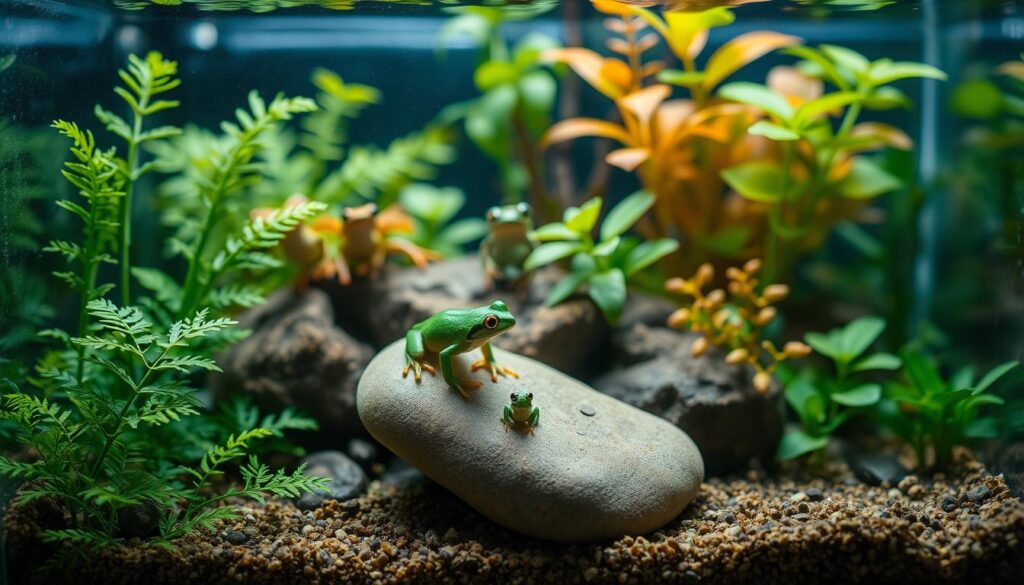
Have you ever wondered if a thriving, complex ecosystem can truly exist within the confines of a desktop habitat? Many hobbyists believe that small spaces limit biological potential, but the reality is quite different. When managed with professional care standards, compact environments offer a unique opportunity to observe fascinating life cycles up close.
Successfully maintaining nano amphibians requires a deep understanding of their specific environmental needs. These delicate creatures demand precise water quality and temperature control to ensure long-term vitality. By mastering these foundational requirements, you can transform a simple glass box into a thriving sanctuary.
This guide provides the essential expertise needed to manage a successful habitat for these species. Whether you are an entrepreneur exploring a new niche or a dedicated enthusiast, learning to balance biology with design is the key to success. Let us explore how to provide the best care for your nano amphibians.
Key Takeaways
- Compact habitats require strict adherence to water quality and filtration standards.
- Understanding the specific biological needs of your species is vital for long-term health.
- Professional care protocols ensure that small environments remain stable and sustainable.
- Proper lighting and temperature regulation are critical components of a successful setup.
- Strategic planning allows for the creation of thriving ecosystems in limited spaces.
Understanding the Requirements for Nano Amphibians
The secret to keeping healthy nano amphibians in compact tanks lies in mastering the delicate balance of their micro-environment. Creating a thriving habitat requires a deep understanding of the unique challenges posed by restricted spaces. By focusing on precision, you can turn a small volume of water into a stable, flourishing ecosystem.
Defining Nano Tank Parameters
A nano tank is generally defined as any enclosure holding less than ten gallons of water. Within these tight confines, the biological load becomes a critical factor that dictates the health of your inhabitants. Every waste product produced by your pet has a significant impact on the overall water chemistry.
Modern amphibian nanotechnology and advanced filtration systems have revolutionized how we manage these small volumes. These tools allow hobbyists to maintain high water quality that was previously impossible in such restricted spaces. Proper planning ensures that the nitrogen cycle remains balanced despite the limited water capacity.
Essential Environmental Stability
Small water volumes are notoriously prone to rapid fluctuations in temperature and chemical composition. Even a minor change in ambient room temperature can cause a significant shift within the tank. Environmental stability is the cornerstone of success when working with these sensitive creatures.
To mitigate these risks, you must monitor your parameters with high-frequency testing. Consistent maintenance protocols help prevent the sudden spikes in ammonia or nitrates that often plague smaller setups. Consistency is your best defense against the volatility inherent in miniature aquatic environments.
Why Small Amphibians Require Specialized Care
Small amphibians are often more sensitive to environmental stressors than their larger counterparts. Their permeable skin makes them highly susceptible to toxins, meaning that even trace amounts of pollutants can be fatal. Specialized care is not just a recommendation; it is a fundamental requirement for their survival.
By providing a controlled, stable habitat, you protect these delicate animals from the dangers of their own waste and external environmental shifts. Investing time in understanding these specific needs will lead to a rewarding experience. With the right approach, you can successfully maintain nano amphibians for years to come.
Selecting the Best Species for Your Nano Setup
Creating a thriving environment begins with choosing the perfect species for your limited space. When working with miniature amphibious creatures, you must balance the animal’s natural behavior with the physical constraints of your tank. Recent microscopic amphibian innovations in captive breeding have made it easier than ever to find healthy, ethically sourced specimens for your home setup.
https://www.youtube.com/watch?v=4N4V_5gRHe4
Fire-Bellied Toads
These hardy toads are excellent for beginners due to their bold personalities and semi-aquatic nature. They require a setup that offers both land and water access to thrive. Consistent water quality is the primary requirement for keeping these vibrant creatures healthy.
African Dwarf Frogs
If you prefer a fully aquatic experience, these frogs are a top choice. They are social animals that perform best when kept in small groups. Because they are strictly aquatic, they do not require land areas, making them ideal for compact nano aquariums.
Red-Eyed Tree Frog Juveniles
These iconic frogs are popular for their striking appearance and arboreal habits. While they are small as juveniles, they require vertical space to climb and explore. You must ensure the enclosure provides adequate humidity to support their delicate skin health.
Pacman Frog Froglets
Pacman frogs are known for their sedentary lifestyle and impressive appetites. As froglets, they can live in smaller containers, but they will eventually require more room as they grow. They are solitary hunters that prefer a stable, moist substrate to burrow into.
Axolotl Larvae Considerations
Keeping axolotl larvae is a specialized task that demands strict attention to water temperature. These creatures are sensitive to heat and require pristine water conditions to develop properly. Many hobbyists find that microscopic amphibian innovations have improved the survival rates of these unique larvae in home settings.
Ultimately, the success of your project depends on matching the species to your maintenance capabilities. By focusing on these nano-sized frogs and toads, you can create a captivating display that fits perfectly into any room. Always prioritize the long-term welfare of your pets over aesthetic choices.
Designing the Perfect Nano Habitat
Modern advancements in tiny amphibian research have transformed how we approach small-scale terrarium design. Creating a successful enclosure requires more than just aesthetic appeal; it demands a deep understanding of the biological needs of your pets. By focusing on quality, you directly improve the stress levels and long-term health of your amphibians.
Choosing the Right Tank Size and Material
Selecting the correct enclosure is the first step toward a thriving setup. High-quality glass or acrylic tanks are preferred because they offer excellent clarity and durability. These materials allow for precise control over the internal environment, which is vital for sensitive species.
Glass is often favored for its scratch resistance and ability to hold heat effectively. Acrylic, on the other hand, is lightweight and provides superior insulation for species that require stable temperatures. Consider the following comparison when selecting your primary material:
| Material | Clarity | Durability | Thermal Retention |
|---|---|---|---|
| Glass | High | Excellent | Moderate |
| Acrylic | Very High | Good | High |
| Polycarbonate | Moderate | Superior | Moderate |
Substrate Selection for Moisture Retention
Proper substrate selection is essential for maintaining the humidity levels required for healthy skin respiration. Amphibians absorb moisture directly through their skin, making the base layer of your tank a critical component. You should choose materials that hold water without becoming waterlogged or prone to mold.
Sphagnum moss and coconut fiber are popular choices for their natural moisture-wicking properties. These substrates mimic the forest floor, providing a soft surface that prevents injury to delicate limbs. Always ensure the substrate is free of fertilizers or chemicals that could harm your animals.
Integrating Live Plants for Natural Filtration
The ongoing nano amphibian evolution in aquarium design emphasizes the use of live plants to provide natural filtration and shelter. Plants act as a living filter, absorbing waste products and maintaining a balanced ecosystem within the small volume of the tank. They also offer essential hiding spots that help reduce stress for shy species.
Integrating species like Anubias or Java moss can significantly improve the air and water quality of your setup. These plants are hardy and thrive in the high-humidity environments that most amphibians require. By creating a lush, planted landscape, you provide a secure environment that encourages natural behaviors and promotes overall longevity.
Water Quality and Filtration Systems
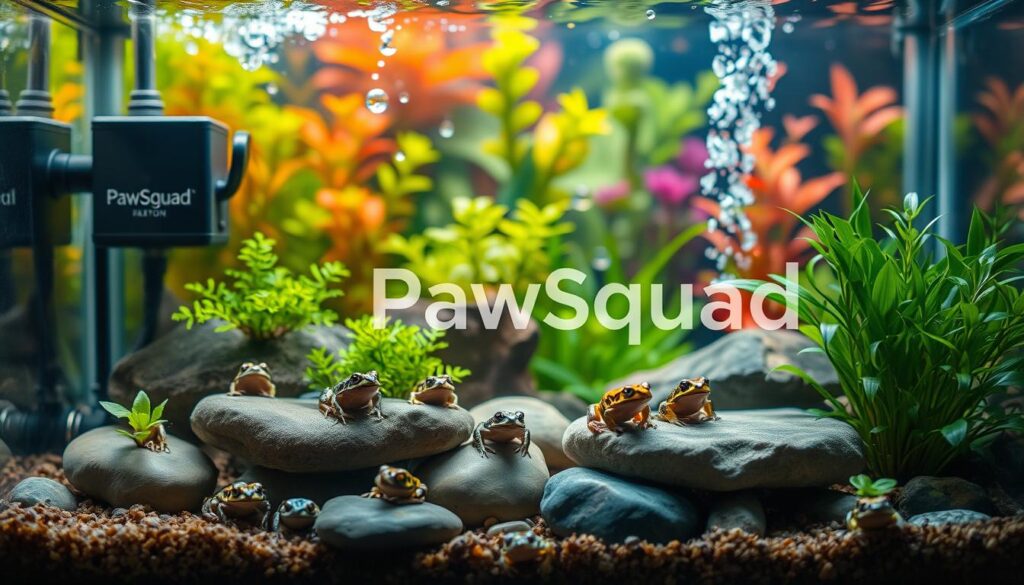
Achieving a stable aquatic balance is essential when housing mini amphibian species in limited spaces. Because small tanks contain less water, they lack the natural buffering capacity found in larger setups. Consequently, even minor fluctuations in chemistry can lead to rapid stress for your pets.
Managing Ammonia and Nitrates in Small Volumes
Ammonia and nitrates accumulate quickly in confined environments. Without proper management, these substances reach toxic levels that threaten the health of your mini amphibian species. Biological filtration is your first line of defense against these harmful spikes.
You must ensure that your filter media provides enough surface area for beneficial bacteria to colonize. These microorganisms convert toxic ammonia into safer nitrates. Regular testing of your water parameters remains the most effective way to monitor this delicate cycle.
Selecting Nano-Friendly Filtration Equipment
Choosing the right equipment requires a balance between effective cleaning and gentle water movement. Many standard filters create currents that are too strong for delicate creatures. Low-flow internal filters or sponge filters are often the best choices for these specialized habitats.
These options provide adequate aeration without overwhelming the tank inhabitants. Always verify that the intake vents are covered to prevent accidental injury to your amphibians. A quiet, efficient system ensures that the environment remains peaceful and clean.
Routine Water Change Protocols
Consistency is the secret to maintaining a healthy habitat for your mini amphibian species. You should perform partial water changes on a strict schedule to remove accumulated nitrates. Replacing 10% to 20% of the water weekly is usually sufficient to keep the environment stable.
Always use a high-quality water conditioner to remove chlorine and heavy metals before adding fresh water. This simple step prevents chemical shock and protects the sensitive skin of your amphibians. By following these protocols, you create a thriving, long-term home for your aquatic companions.
Temperature and Humidity Control
Because amphibians are ectothermic, their environment dictates their metabolic health and overall well-being. These creatures rely entirely on their surroundings to regulate their internal body temperature and hydration levels. Providing a stable microclimate is the most effective way to ensure your pets thrive in a confined space.
Monitoring Thermal Gradients
A successful nano setup requires a clear thermal gradient. This allows your animal to move between warmer and cooler zones to regulate its body temperature naturally. You should place heat sources on one side of the tank rather than the center.
Using a digital thermometer on both ends of the enclosure helps you track these fluctuations accurately. Consistent monitoring prevents overheating, which is a common risk in small volumes of water or land. Always ensure the temperature stays within the specific range required by your chosen species.
Maintaining Optimal Humidity Levels
High humidity is vital for tropical species that require consistent moisture to prevent skin desiccation. Amphibians breathe and absorb water through their skin, making a moist environment non-negotiable. You can maintain these levels by using moisture-retaining substrates and regular misting.
“The secret to a healthy amphibian habitat lies in the delicate balance of moisture and warmth, mimicking the natural cycles of the wild.”
Keep a hygrometer inside the tank to track humidity levels in real-time. If the air becomes too dry, your amphibians may show signs of stress or lethargy. Proper ventilation is also necessary to prevent stagnant air while keeping the humidity high.
Using Automated Misting Systems
Automated misting systems offer a professional solution for maintaining precise environmental conditions without constant manual intervention. These systems provide a fine, consistent spray that mimics natural rainfall. They are particularly useful for busy owners who want to ensure their pets receive reliable care throughout the day.
By setting a timer, you can guarantee that your tank remains hydrated even when you are away. Automation reduces the risk of human error and keeps the environment stable. Investing in a quality misting setup is a smart choice for any serious nano tank enthusiast.
Feeding and Nutritional Needs
Achieving long-term success with nano-sized amphibians depends heavily on the quality and consistency of their diet. Proper nutrition serves as the primary driver of growth and disease resistance in these delicate creatures. By focusing on high-quality intake, you provide the foundation for a thriving habitat.
Sourcing Live Food for Small Mouths
Small amphibians possess unique dietary requirements that necessitate live prey. You should prioritize food sources that are appropriately sized for their small mouths to prevent choking or digestive distress.
Flightless fruit flies and pinhead crickets are excellent staples for most nano species. These options are easy to manage and provide the necessary movement to trigger the natural hunting instincts of your pets.
Supplementation and Vitamin Dusting
Captive-bred specimens often lack the diverse diet found in the wild, making vitamin and mineral supplementation essential. Without these additives, your amphibians may develop metabolic bone disease, a common but preventable condition.
Regularly dusting your live food with a high-quality calcium and multivitamin powder ensures your animals receive the nutrients they need. This simple step significantly improves their overall health and skeletal development over time.
Establishing a Consistent Feeding Schedule
Creating a reliable routine helps your amphibians thrive while keeping their environment clean. A consistent schedule allows you to monitor their appetite and adjust portions as needed.
By providing only what your animals can consume in a single sitting, you minimize waste and prevent the buildup of organic matter in the tank. This practice maintains water quality and reduces the frequency of necessary maintenance tasks.
Capturing Wildlife Moments with Photography
Capturing the intricate details of your miniature amphibious creatures is a rewarding way to document your aquarium’s growth. Engaging in nature photography within a home setting allows you to refine your observation skills while creating a visual record of your success. By focusing on the unique behaviors of your pets, you can share your passion with others in the hobby.
Choosing the Best Camera for Wildlife Photography
Selecting the best camera for wildlife photography involves balancing macro capabilities with low-light performance. Since nano tanks often have specialized lighting, your camera must handle high contrast and tight spaces effectively. A mirrorless camera with a dedicated macro lens is often the ideal choice for this task.
When evaluating a wildlife moments camera, look for models that offer fast autofocus and high resolution. These features ensure that you capture sharp, detailed images of small subjects that move quickly. Investing in quality gear will significantly improve the clarity of your final shots.
Essential Outdoor Photography Gear for Macro Shots
While your primary focus is the aquarium, some outdoor photography gear can be repurposed for indoor use. A sturdy, compact tripod is essential to prevent camera shake during long exposures. You may also consider using external LED lights to illuminate dark corners of the tank without causing glare on the glass.
Proper wildlife camera equipment includes tools that help you stabilize your shots and manage reflections. A polarizing filter is a must-have accessory to cut through the glare of the aquarium glass. This simple addition allows you to see your subjects clearly without distracting light artifacts.
| Equipment Type | Primary Benefit | Skill Level |
|---|---|---|
| Macro Lens | Extreme Detail | Intermediate |
| Tripod | Stability | Beginner |
| Polarizing Filter | Glare Reduction | Advanced |
Techniques for Photographing Miniature Amphibious Creatures
The secret to capturing wildlife moments lies in your patience and your angle of approach. Always aim to shoot at eye level with your subject to create a more intimate and professional look. Avoid using a flash, as it can startle your amphibians and create harsh reflections on the tank walls.
Focusing manually is often more effective than relying on autofocus when dealing with small, moving targets. Take your time to observe the natural patterns of your pets before you start shooting. Nature photography is as much about waiting for the right moment as it is about the technical settings of your camera.
Health Monitoring and Disease Prevention
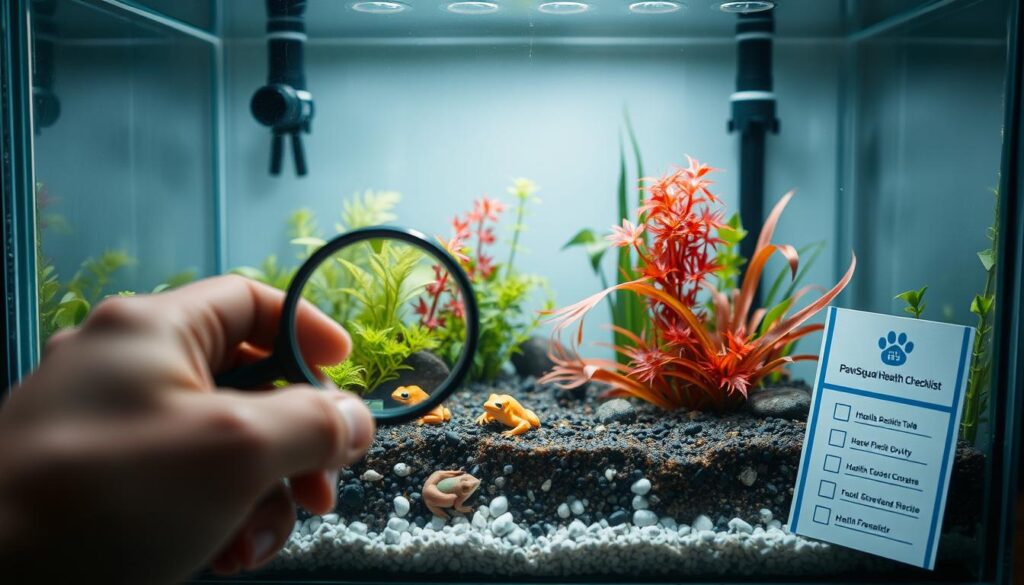
Vigilance is the cornerstone of successful amphibian husbandry in small-scale setups. By observing your animals daily, you can detect minor imbalances before they evolve into complex medical challenges. A proactive mindset ensures that your nano habitat remains a thriving sanctuary for your collection.
Identifying Signs of Stress in Small Amphibians
Small amphibians often communicate their discomfort through subtle shifts in behavior or physical appearance. Recognizing these indicators early allows you to adjust environmental parameters quickly. Keep a close watch for the following common warning signs:
- Lethargy: A sudden decrease in activity or failure to hunt during feeding times.
- Skin Discoloration: Unusual pale patches, redness, or a loss of natural vibrancy.
- Abnormal Posture: Spending excessive time out of water or hiding in unusual areas of the tank.
- Appetite Loss: Refusal to eat or difficulty capturing live prey.
Quarantine Procedures for New Additions
Introducing new animals into an established nano tank carries inherent risks. Pathogens or parasites can easily spread in small, enclosed volumes of water. Implementing a strict quarantine protocol is a professional standard that protects your existing population.
Always house new arrivals in a separate, simple enclosure for at least 30 days. This period allows you to monitor the animal for any hidden illnesses without risking the health of your main display. Maintain high hygiene standards during this time to ensure the new addition is fully acclimated and healthy.
When to Consult an Exotic Veterinarian
While many issues can be resolved through habitat adjustments, some situations require expert medical intervention. You should seek the guidance of an exotic veterinarian if you notice persistent symptoms that do not improve with basic care. Professional help is essential when dealing with signs of systemic infection or injury.
“Early intervention is the most effective tool in the kit of any responsible amphibian keeper. When in doubt, professional consultation provides the clarity needed to preserve the long-term health of your animals.”
Do not wait for a condition to become critical before reaching out for help. Establishing a relationship with a qualified veterinarian early on provides peace of mind. This preparation ensures you have a reliable resource to support the long-term vitality of your miniature amphibious creatures.
Conclusion
Building a thriving nano amphibian habitat represents a unique blend of biological science and creative design. Success in this hobby relies on your commitment to precise environmental management and daily observation.
You gain deep insights into natural behaviors by maintaining stable water quality and proper nutrition. These small creatures offer a window into complex ecosystems that fit right on your desk or shelf.
Brands like Zoo Med and Exo Terra provide the tools necessary to support these delicate lives. Use these resources to refine your setup as your skills evolve over time.
Stay curious about the specific needs of your chosen species. Your dedication ensures that these fascinating animals remain healthy and active for years to come.
Share your experiences with fellow enthusiasts to help grow the community. Every new setup contributes to a better understanding of how to care for these miniature wonders effectively.