Best invertebrate diets are essential for keeping exotic pets healthy, active, and properly nourished.
Have you ever wondered if your small companions are truly thriving or merely surviving in their enclosures? Providing a balanced invertebrate diet is the most critical factor in ensuring the long-term vitality of your collection.
Many hobbyists focus on the aesthetic appeal of their habitats, yet the secret to success lies in the quality of nutrition provided. Selecting premium bug food ensures that your specimens receive the essential vitamins and minerals required for growth and reproduction.
Mastering the art of feeding pet insects transforms basic husbandry into a rewarding science. When you provide optimal care, you gain the unique opportunity of capturing wildlife moments right in your own home. This professional approach guarantees that your creatures remain active, healthy, and resilient throughout their lives.
Key Takeaways
- Prioritize high-quality nutrition to extend the lifespan of your specimens.
- Understand the specific nutritional requirements for different species.
- Consistent schedules help maintain stable health and growth patterns.
- Observe your creatures closely to adjust their intake as needed.
- Proper care turns routine maintenance into a deeply fulfilling experience.
Understanding the Nutritional Requirements of Invertebrates
Every invertebrate species possesses a unique internal clock that dictates its dietary requirements. Providing a balanced invertebrate diet is not merely about offering food; it is about matching the biological pace of the animal to the nutrients provided. By observing these natural rhythms, keepers can ensure their specimens thrive in captivity.
Metabolic Needs Across Different Species
Metabolic rates vary significantly between species, directly influencing how often they must eat. High-energy species, such as active hunting spiders or fast-moving beetles, require frequent meals to sustain their rapid physiological processes. Conversely, slower-moving detritivores may thrive on a more consistent, lower-intensity feeding schedule.
Understanding insect nutrition involves recognizing these distinct energy demands. Key factors that influence these needs include:
- Ambient temperature: Higher heat often accelerates metabolism, requiring more frequent caloric intake.
- Life stage: Juveniles typically require more protein for rapid growth compared to adults.
- Activity levels: Predatory species generally have higher metabolic costs than sedentary species.
The Role of Macronutrients in Exoskeleton Development
The exoskeleton serves as the primary structural support for many invertebrates, making its maintenance a top priority. Proper insect nutrition ensures that the animal has the necessary building blocks to synthesize chitin effectively. Without these essential macronutrients, specimens may struggle during the delicate molting process.
Proteins and minerals act as the foundation for a healthy invertebrate diet. When an animal prepares to molt, its demand for specific nutrients spikes to support the formation of a new, hardened shell. Providing a diverse range of high-quality food sources helps prevent structural weaknesses and ensures the long-term vitality of your collection.
Essential Components of a Balanced Invertebrate Diet
Proper insect nutrition is the foundation for longevity and vitality in captive specimens. A well-rounded diet provides the necessary fuel for movement, growth, and reproduction. By focusing on high-quality ingredients, keepers can ensure their invertebrates thrive in a controlled environment.
Carbohydrates and Energy Sources
Carbohydrates serve as the primary fuel for daily activity and metabolic processes. Invertebrates rely on these energy sources to maintain their high activity levels throughout the day. Providing an optimal bug diet means including complex carbohydrates that offer sustained energy release rather than quick spikes.
Lipids and Fatty Acid Profiles
Lipids are essential for maintaining cellular health and supporting the structural integrity of the exoskeleton. These fats act as energy reserves and are critical for the absorption of fat-soluble vitamins. Healthy fatty acid profiles help prevent developmental issues during the molting process, which is a high-stress period for many species.
Vitamins and Trace Minerals
Vitamins and trace minerals act as catalysts for various physiological systems. Even in small amounts, these micronutrients prevent common deficiency-related illnesses that often plague captive populations. A balanced intake ensures that metabolic functions operate at peak performance levels.
| Nutrient Category | Primary Function | Source Example |
|---|---|---|
| Carbohydrates | Immediate Energy | Sweet Potatoes |
| Lipids | Cellular Health | Flax Seeds |
| Minerals | Exoskeleton Support | Calcium Carbonate |
| Vitamins | Metabolic Regulation | Leafy Greens |
Consistency in providing these components is key to long-term success. By monitoring how specimens respond to different food sources, keepers can refine their approach to insect nutrition. Ultimately, an optimal bug diet is the most effective tool for maintaining a robust and healthy invertebrate colony.
Sourcing High-Quality Bug Food and Supplements
Navigating the market for insect nutrition requires a keen eye for quality and safety. Selecting the right supplies is a cornerstone of responsible invertebrate care and management. By prioritizing premium ingredients, owners can ensure their specimens thrive in captivity.
Evaluating Commercial Feed Options
When shopping for bug food, it is essential to scrutinize the ingredient list for hidden fillers or artificial preservatives. High-quality commercial diets should prioritize whole grains, proteins, and essential vitamins rather than cheap binders. Consistency in your feed choice helps maintain stable growth rates across your colony.
Always look for reputable brands that provide transparent nutritional analysis on their packaging. A reliable product will clearly state the protein and fat percentages, allowing you to tailor the diet to your specific species. Choosing the best insects to feed pets often starts with the quality of the feed provided to those insects themselves.
Identifying Safe Organic Sources
Beyond commercial mixes, incorporating fresh, organic produce is a fantastic way to boost the health of your invertebrates. However, you must be vigilant about potential pesticide contamination. Always wash all fruits and vegetables thoroughly before offering them to your insects to prevent accidental poisoning.
Sourcing from local organic farms or growing your own botanical matter provides the safest options for supplemental feeding. By avoiding synthetic chemicals, you ensure that the best insects to feed pets remain free from harmful residues. This commitment to purity is a vital component of a successful and sustainable bug food strategy.
Preparing Fresh Produce and Botanical Matter
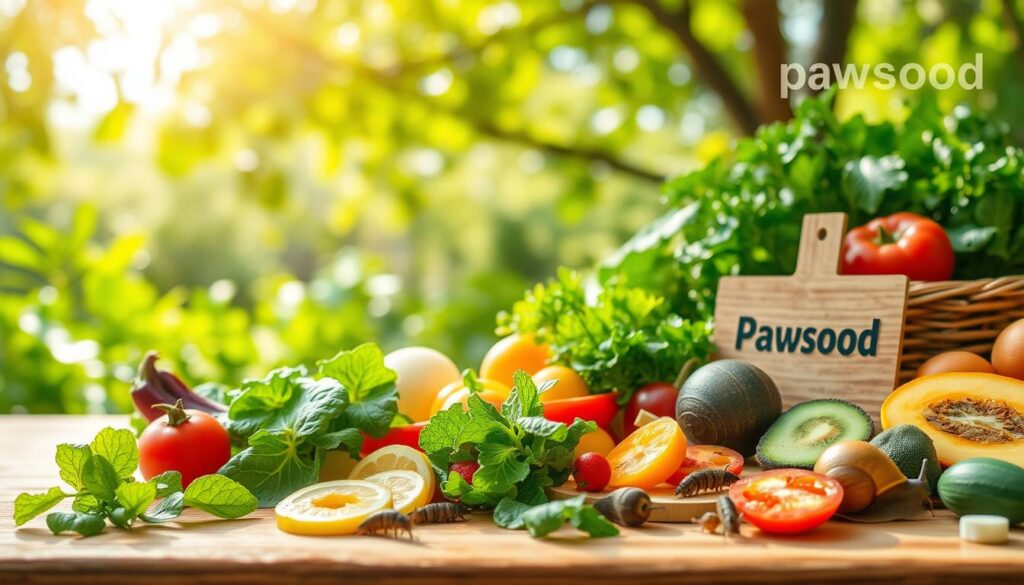
Achieving an optimal bug diet starts with selecting and cleaning fresh botanical ingredients. Fresh produce serves as a vital source of hydration and essential nutrients for many invertebrate species. By focusing on proper insect feeding, you ensure that every botanical addition contributes positively to the animal’s overall well-being.
Washing and Pesticide Removal Protocols
Pesticide residue poses a significant risk to sensitive invertebrates. You must wash all produce thoroughly under cool, running water to remove surface contaminants. For stubborn residues, a gentle scrub with a soft brush or a diluted vinegar solution can be highly effective.
Always rinse the items again after cleaning to ensure no acidic residue remains. Safety is paramount when introducing external food sources to your enclosure. Never assume that store-bought produce is free from chemicals, even if it appears clean.
Selecting Nutrient-Dense Vegetables and Fruits
Not all produce offers the same nutritional value for your specimens. Dark, leafy greens like kale and collard greens are excellent choices for their high mineral content. These vegetables provide the necessary fiber and vitamins to support a healthy metabolism.
When selecting fruits, prioritize those with lower sugar content to prevent digestive issues. Variety is key to maintaining an optimal bug diet over the long term. Rotate your selections weekly to ensure a broad spectrum of essential trace minerals.
Safe Botanical Additions for Herbivorous Species
Herbivorous invertebrates thrive when provided with a diverse range of safe botanical matter. Dried hibiscus flowers, dandelion greens, and clover are excellent additions that mimic natural foraging environments. These plants offer unique phytochemicals that support immune health.
Always verify that any botanical addition is free from toxic compounds before offering it to your pets. Proper insect feeding involves researching the specific needs of your species to avoid harmful plants. When in doubt, stick to well-known, safe staples to keep your colony thriving.
Managing Protein and Calcium Intake for Growth
Protein and calcium serve as the fundamental building blocks for the healthy development of most invertebrate species. These nutrients are essential for maintaining structural integrity and ensuring that your pets reach their full growth potential. By focusing on these two elements, you provide the foundation for a robust exoskeleton and a thriving biological system.
The Importance of Gut-Loading Prey
Gut-loading is a vital practice that involves feeding nutrient-rich foods to feeder insects before they are offered to your pets. This process effectively turns a simple insect into a nutritional powerhouse. By filling the digestive tracts of crickets or roaches with high-quality vegetables, you ensure that your pets receive the vitamins they need.
This method is particularly effective for increasing the mineral content of prey items. When the feeder insect consumes a balanced diet, those nutrients are passed directly to the predator. It is a simple yet highly effective way to improve the overall health of your collection.
Calcium Supplementation Techniques
Calcium is critical for the hardening of the exoskeleton after a molt. Without adequate levels, invertebrates may suffer from soft shells or metabolic issues that hinder their movement and survival. Dusting is the most common technique used to provide this mineral.
To perform this, lightly coat your feeder insects with a high-quality calcium powder just before feeding. You can also place a small dish of calcium carbonate in the enclosure for species that prefer to graze. Consistent access to calcium is a key factor in preventing long-term health complications.
Protein Sources for Carnivorous and Omnivorous Invertebrates
Selecting the right protein is a major part of identifying the best insects to feed pets. Carnivorous and omnivorous species require high-protein diets to support their rapid growth cycles and metabolic demands. Quality matters when choosing these sources to ensure your pets receive complete amino acid profiles.
The following table outlines the nutritional profiles of common feeder insects to help you make informed decisions:
| Feeder Insect | Protein Content | Calcium Level | Best Use |
|---|---|---|---|
| Dubia Roaches | High | Moderate | Staple Diet |
| Black Soldier Fly Larvae | Moderate | Very High | Calcium Boost |
| Mealworms | Moderate | Low | Occasional Treat |
| Crickets | High | Low | Active Predators |
By rotating these options, you can ensure a varied diet that meets all physiological needs. Understanding these protein sources is essential for those seeking the best insects to feed pets that require high-protein diets for optimal health.
Best Practices for Feeding Pet Insects
Proper insect feeding is the cornerstone of long-term success in invertebrate husbandry. By implementing a structured approach, keepers can ensure their specimens remain healthy and active throughout their life cycles. Consistency and cleanliness serve as the foundation for a professional environment.
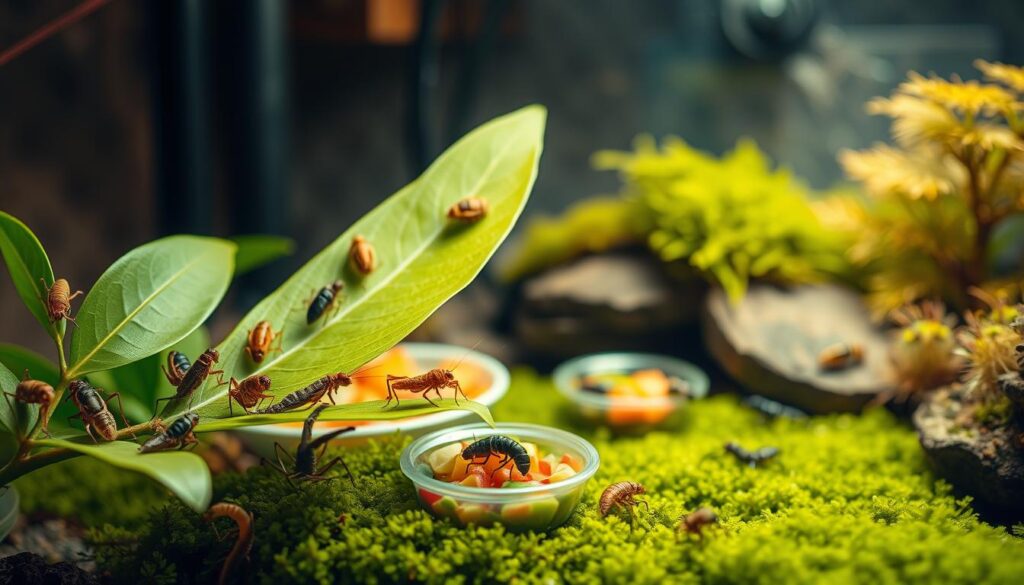
Establishing Consistent Feeding Schedules
Most invertebrates thrive when their care routine mirrors their natural biological rhythms. Nocturnal species require evening feedings, while diurnal insects often prefer morning meals. Consistency helps reduce stress and encourages natural foraging behaviors.
Developing a reliable schedule allows you to monitor intake levels effectively. When you feed at the same time daily, you can quickly identify if a specimen is losing its appetite. This early detection is vital for addressing potential health concerns before they escalate.
Portion Control and Preventing Waste
Effective management of feeding pet insects involves providing only what the animal can consume in a single sitting. Overfeeding often leads to decaying organic matter, which attracts pests and compromises air quality. Always start with smaller portions and adjust based on the observed consumption rate.
Removing uneaten food promptly is a critical step in maintaining a healthy habitat. If you notice food remains after a few hours, reduce the amount provided during the next cycle. This simple practice prevents waste and keeps the enclosure environment pristine.
Sanitation Standards for Feeding Stations
Maintaining high sanitation standards for feeding stations is essential to prevent bacterial growth. Surfaces used for food placement should be cleaned or replaced regularly to avoid mold buildup. Using non-porous materials for dishes makes the cleaning process much more efficient.
Proper insect feeding requires a commitment to hygiene that protects your pets from pathogens. Regularly sanitize all feeding tools and bowls with safe, non-toxic cleaners. A clean station is the best defense against disease in captive invertebrate populations.
| Invertebrate Type | Feeding Frequency | Primary Concern |
|---|---|---|
| Carnivorous Beetles | 2-3 times weekly | Protein spoilage |
| Herbivorous Roaches | Daily | Freshness of greens |
| Generalist Mantids | Every 2 days | Hydration levels |
| Detritivore Colonies | As needed | Substrate mold |
Optimizing the Mealworm Diet for Maximum Nutrition
Achieving superior insect nutrition starts with the foundation of a high-quality mealworm diet. When feeder insects are healthy and well-fed, they pass those vital nutrients directly to your pets. This process, often called gut-loading, ensures that your animals receive the best possible dietary support.
Grain-Based Substrates for Optimal Health
The base of your colony should consist of high-quality grains. Wheat bran and rolled oats are excellent choices because they provide the necessary fiber and carbohydrates for growth. These substrates serve as both a home and a primary food source for the larvae.
To maximize the nutritional profile, consider mixing in organic grains or fortified cereals. This simple step ensures that the mealworm diet remains balanced and free from harmful pesticides. A clean, dry environment is essential for maintaining a thriving colony over the long term.
Incorporating Moisture-Rich Supplements
While grains provide energy, mealworms also require consistent hydration to remain healthy. Adding fresh produce is the most effective way to deliver moisture and essential vitamins. Carrots, apples, and leafy greens are popular choices that offer maximum hydration without creating excess mess.
It is important to provide only what the insects can consume within a few hours to prevent mold growth. By carefully managing these moisture-rich additions, you maintain a clean habitat while boosting the overall insect nutrition of your colony. Consistent attention to these details will ensure your feeder insects are always in peak condition for your pets.
Developing a Sustainable Cricket Food Strategy
A robust cricket food strategy is the cornerstone of a thriving insect collection. By focusing on consistent, high-quality nutrition, you ensure that your colony remains healthy and serves as a reliable source of energy for your pets. Implementing a structured plan prevents common health issues and promotes longevity within the colony.
Formulating Dry Gut-Load Mixes
Creating your own dry mixes allows you to control exactly what your insects consume. A high-quality bug food base should include a variety of grains, legumes, and essential minerals. Many keepers prefer to blend organic oats, wheat bran, and spirulina to create a nutrient-dense foundation.
When formulating these mixes, ensure all ingredients are finely ground to facilitate easy consumption. Store your dry mixes in airtight containers to maintain freshness and prevent moisture buildup. This simple step ensures that your cricket food remains potent and free from mold or spoilage.
“The nutritional value of a feeder insect is directly proportional to the quality of the diet it consumes before being offered to a predator.”
Balancing Fiber and Protein Ratios
Achieving the right balance between fiber and protein is vital for the digestive health of your insects. While protein supports rapid growth and exoskeleton development, fiber is necessary to maintain regular gut function. A diet that is too high in protein without adequate fiber can lead to metabolic stress and premature mortality.
Aim for a balanced ratio that supports steady development rather than forced growth. This approach provides a more stable bug food profile for the animals that rely on these crickets as a primary food source. Refer to the table below for a breakdown of common dry ingredients and their primary nutritional contributions.
| Ingredient | Primary Benefit | Fiber Content |
|---|---|---|
| Wheat Bran | Digestive Health | High |
| Soybean Meal | Protein Growth | Low |
| Alfalfa Powder | Trace Minerals | Medium |
| Brewer’s Yeast | B-Vitamins | Low |
By monitoring how your colony responds to these ratios, you can fine-tune your strategy for optimal results. Consistent observation allows you to adjust the mix based on the life stage of your crickets, ensuring they always receive the best possible nutrition.
Hydration Techniques for Healthy Specimens
Maintaining optimal moisture levels is essential for the long-term health and vitality of your invertebrate collection. While many keepers focus heavily on nutrition, consistent hydration remains a critical component of a successful husbandry routine. Providing the right amount of moisture ensures that your specimens remain active and thrive in their captive environments.
Safe Water Delivery Methods
Effective hydration strategies vary depending on the species and the specific setup of the enclosure. For those managing a mealworm diet, moisture is often best provided through fresh vegetable slices rather than standing water. This method prevents the substrate from becoming damp, which can lead to mold growth and bacterial issues.
When providing supplemental moisture for a cricket food supply, using specialized water crystals is a highly recommended practice. These polymers absorb water and turn it into a gel, allowing insects to drink safely without the risk of accidental immersion. Always ensure that any water source is kept clean and replaced regularly to maintain high sanitation standards.
Preventing Drowning Hazards in Enclosures
Invertebrates are surprisingly vulnerable to drowning, even in very small amounts of liquid. To mitigate this risk, never place deep water bowls inside an enclosure without proper safety modifications. Using shallow dishes filled with pebbles or marbles allows insects to access the water while maintaining a safe footing.
Safety is paramount when designing your feeding and hydration stations. If you choose to use sponges or cotton, ensure they are cleaned daily to prevent the buildup of harmful pathogens. By implementing these careful delivery methods, you create a secure environment that supports the overall well-being of your specimens.
Monitoring Health Through Dietary Observation
Careful observation of feeding habits serves as a primary diagnostic tool for any dedicated keeper. By watching how your specimens interact with their food, you gain valuable insights into their overall physiological state. This proactive approach ensures that you can address potential issues before they escalate into serious health concerns.
Signs of Nutritional Deficiencies
Identifying early warning signs is critical when maintaining a balanced invertebrate diet. Keep a close watch for sudden changes in behavior, such as lethargy or a lack of interest in food. These symptoms often indicate that the current nutritional profile is insufficient for the species’ needs.
Physical markers also provide clear evidence of health status. A dull or brittle exoskeleton often points toward a lack of essential minerals. If you notice your pets struggling to maintain their natural coloration, it may be time to re-evaluate the quality of the supplements you provide while feeding pet insects.
Adjusting Diets Based on Molting Cycles
Molting represents a period of intense physiological stress for many species. During this time, their nutritional demands fluctuate significantly to support the formation of a new, healthy exoskeleton. Providing extra calcium and hydration during these phases is essential for a successful transition.
Owners should increase the frequency of nutrient-dense offerings as the molting cycle approaches. Once the process is complete, the specimen may require a recovery period with easily digestible food sources. Diligent monitoring of the invertebrate diet during these cycles keeps the process of feeding pet insects a rewarding and successful experience for both the keeper and the animal.
Conclusion
Mastering the art of invertebrate nutrition requires a commitment to ongoing learning and careful observation. You hold the power to transform the health of your specimens through precise dietary management.
Selecting the best insects to feed pets serves as the foundation for long-term vitality. High-quality nutrition prevents common health issues and supports natural growth cycles.
You will find great satisfaction in capturing wildlife moments within your own home. These interactions become more rewarding when your animals display vibrant energy and peak physical condition.
Consistent application of these professional standards leads to success in any husbandry endeavor. Your dedication to these practices ensures that your invertebrates thrive for years to come.
Start refining your feeding protocols today to see immediate improvements in your collection. Small adjustments in diet often yield the most significant results for your animals.